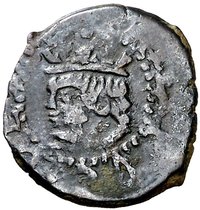
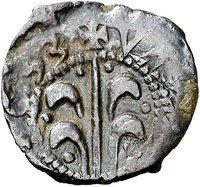
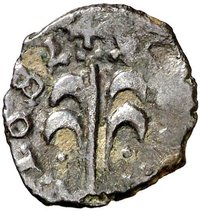
In 1624, the Kingdom of Valencia, a constituent realm of the Spanish Crown under Philip IV, was grappling with a severe and complex monetary crisis. This was part of the wider "Crisis of the Seventeenth Century" affecting Habsburg Spain, characterized by rampant inflation, a massive public debt, and a chronic shortage of precious metals. The situation was exacerbated by the Crown's relentless fiscal demands to fund its ongoing wars in the Thirty Years' War and the Eighty Years' War against the Dutch Republic, leading to heavy taxation and the repeated devaluation of Valencia's own coinage.
The local currency, the
Valencian real, had been significantly debased over preceding decades, losing both its silver content and public trust. This debasement created a chaotic "bad money drives out good" scenario, where older, purer coins were hoarded or exported, leaving the economy flooded with inferior currency. Simultaneously, powerful foreign coins, especially the Spanish
real de a ocho (piece of eight) and silver from the Americas, circulated alongside the local issues, but their outflow to pay for foreign goods and war materiel created acute liquidity shortages. This monetary instability disrupted trade, complicated everyday transactions, and eroded both wages and savings.
The Valencian authorities, particularly the
Diputació del General (the local parliament), were locked in a constant struggle with the Crown in Madrid over monetary policy. They sought to stabilize the currency and protect the local economy, often resisting Philip IV's demands for further devaluations or seizures of silver. However, their power was limited, and the kingdom's economy, heavily reliant on agriculture and textile exports, suffered under the weight of this monetary turmoil, which contributed to social unrest and marked a step in Valencia's gradual economic decline within the Spanish monarchy.