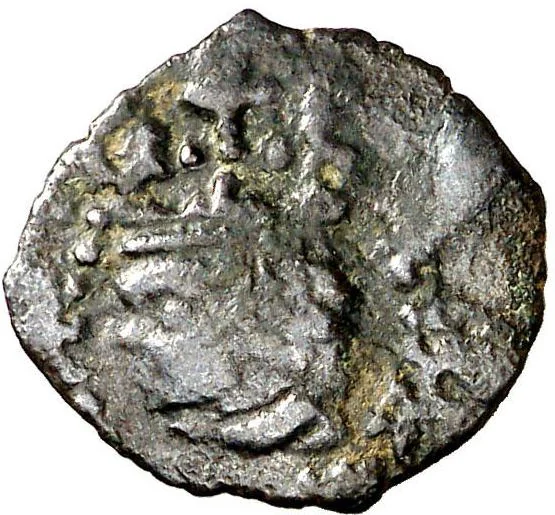

In 1668, the Kingdom of Valencia, a constituent realm of the Spanish Monarchy under King Carlos II, was grappling with a severe and complex monetary crisis rooted in decades of imperial policy. The primary issue was the widespread circulation of vastly
debased silver coinage, particularly the
real de a dos or double real, which had been heavily adulterated with copper. This "vellón" currency was minted in enormous quantities by the Crown in Madrid to finance its endless military commitments across Europe, flooding Valencia and other territories with intrinsically worthless money. The result was a classic manifestation of
Gresham's Law, where "bad money drives out good": full-weight silver and gold coins were hoarded or exported, leaving the debased coinage as the medium for daily, devalued transactions.
This monetary chaos crippled Valencia's economy. Prices for goods and commodities became unstable and inflated when measured in the official yet debased currency, disrupting
trade and credit markets. The problem was exacerbated by Valencia's active Mediterranean commerce, which required reliable specie for international exchange. Merchants and creditors suffered severe losses, and public trust in the currency collapsed. The local authorities, the
Diputació del General and the city of Valencia itself, repeatedly sent protests to the Madrid court, pleading for a solution that would withdraw the vellón and restore sound money, arguing it was the only way to prevent total economic paralysis.
The Crown's response was inconsistent and ultimately ineffective. While a general
definitive devaluation of the vellón coinage was proclaimed in 1680, the measures in 1668 were typically temporary and palliative. The monarchy, facing bankruptcy, often prioritized its own fiscal survival over regional economic stability. Consequently, the currency situation in 1668 was not an isolated event but a persistent and deteriorating condition. It reflected the broader
decline of Spanish Habsburg power, where the economic vitality of peripheral kingdoms like Valencia was sacrificed to sustain the Crown's central imperial ambitions, deepening social discontent and contributing to the kingdom's economic stagnation throughout the late 17th century.