

7½ Reales – Bolivia
Bolivia
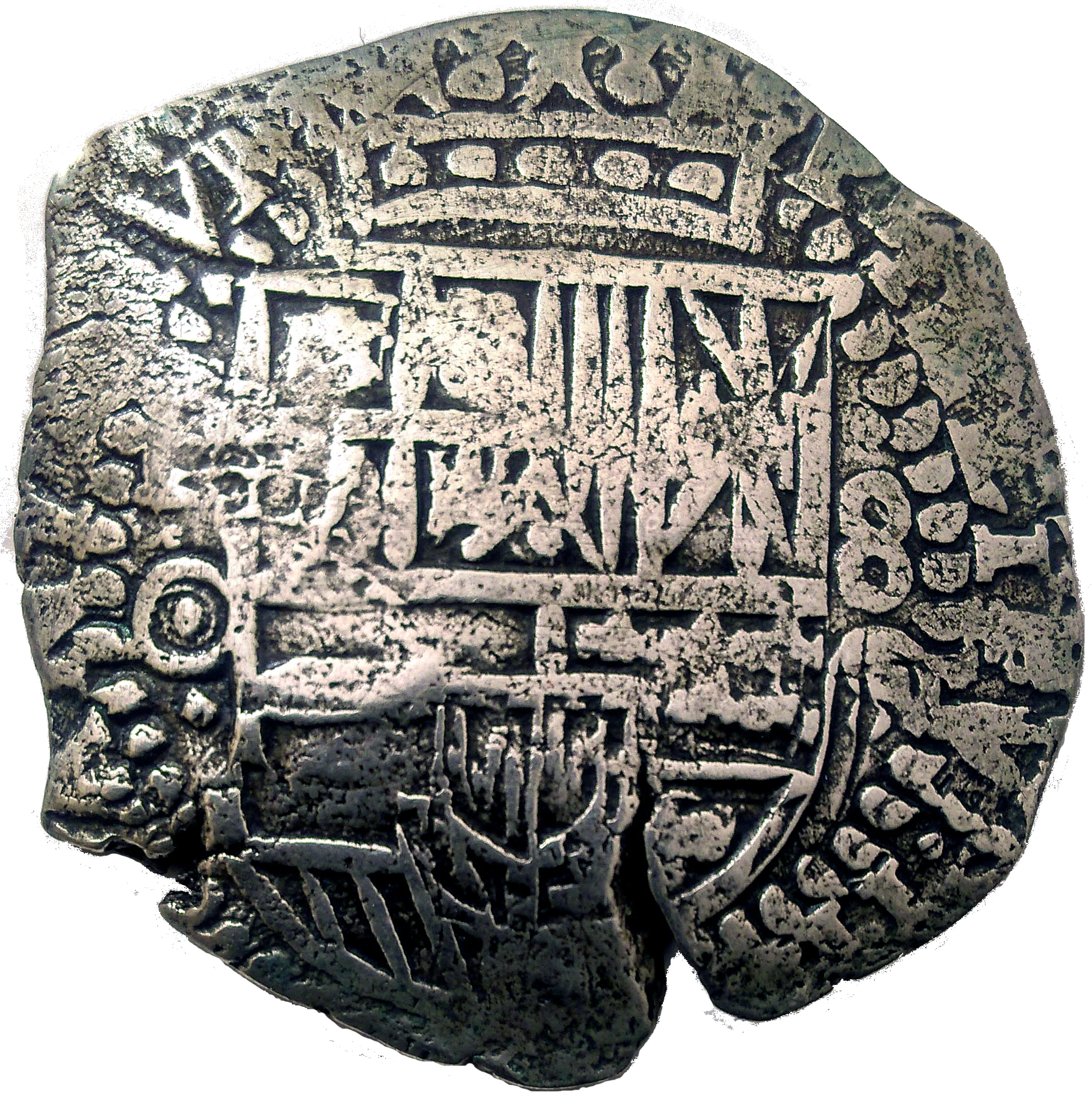
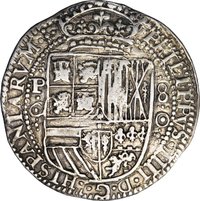
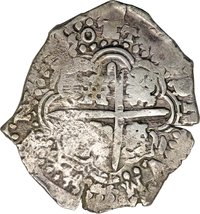
Obverse
Description:
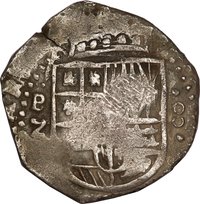
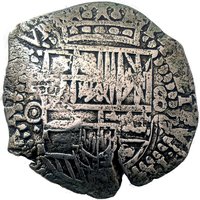
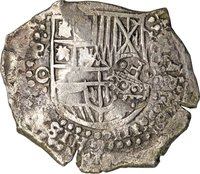
Crowned Habsburg of Spain shield with shield crown.
Inscription:
PHILIPPVS·IIII·D.G.HISPANIARVM
PO (avec point au centre/with dot)
8
PO (avec point au centre/with dot)
8
Script: Latin
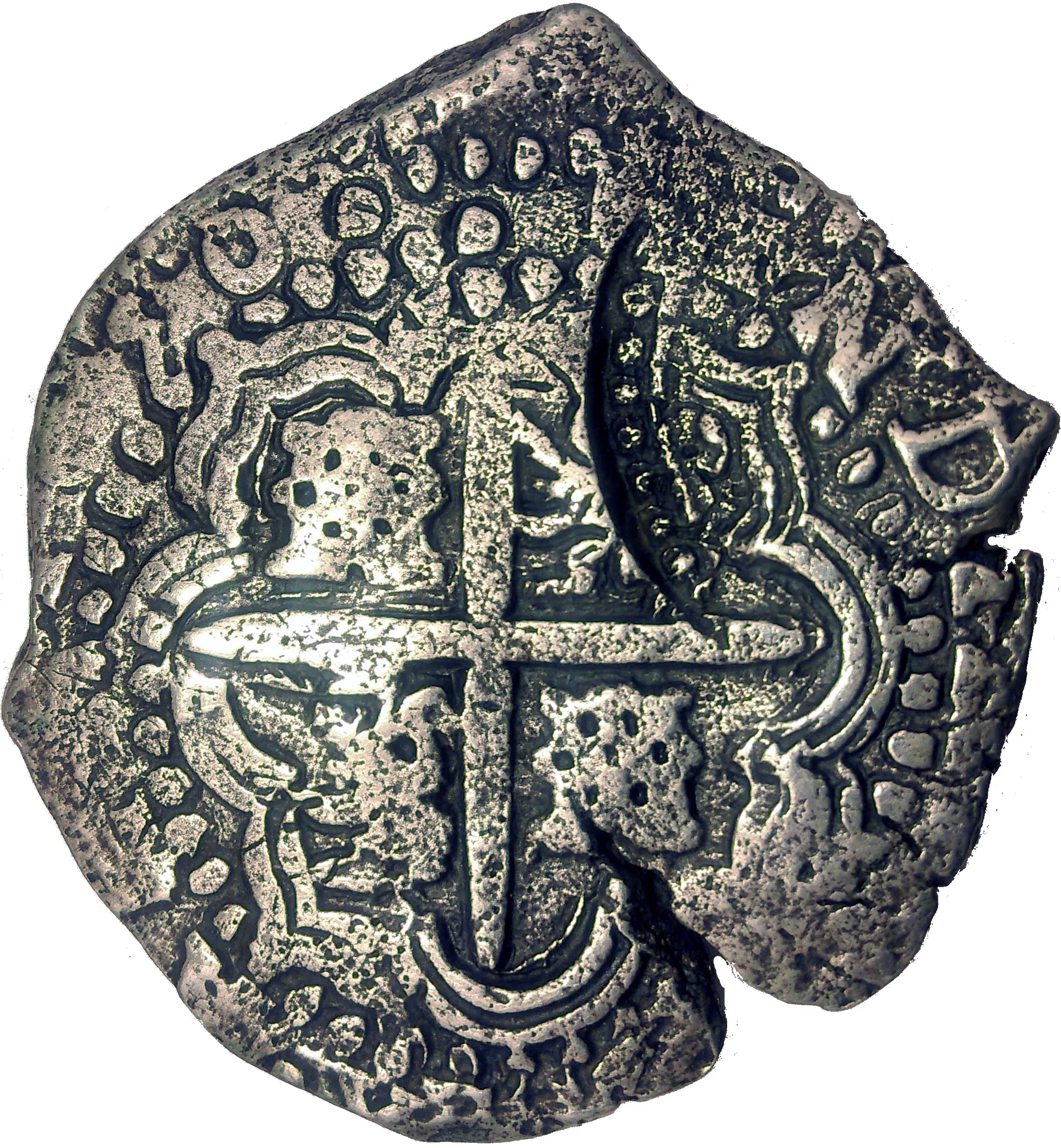
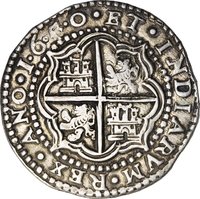
Reverse
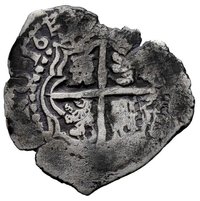
Description:
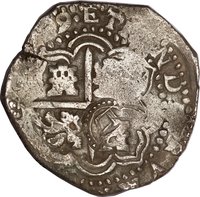
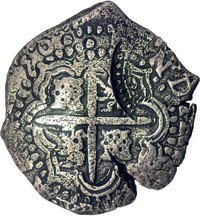
Cross with castles and lions (Castilla y León). Crowned arms countermark on edge.
Inscription:
ET.INDIARVM.REX.ANO.1650.
Script: Latin
Edge
Mints
| Name | Mark |
|---|---|
| Potosi | P |
Historical background
In 1649, the currency situation in the Province of Charcas (modern Bolivia, then part of the Viceroyalty of Peru) was defined by a severe shortage of circulating coinage, despite the region housing the immense silver mines of Potosí. The Spanish Crown's monetary policy was centrally controlled from the mint in Potosí (the Casa de la Moneda, established in 1572), which produced vast quantities of silver pesos. However, these coins were primarily destined to fulfill the Crown's tax obligations, finance imperial wars, and feed global trade, often being shipped directly to Spain or to Asian markets via Acapulco. This systematic extraction left the local economy chronically starved of physical currency for everyday transactions.
The scarcity led to widespread use of informal and substitute currencies. In regional markets, barter of goods like coca leaves, textiles, and agricultural products was common. More significantly, due to the lack of smaller denomination coins, people resorted to cutting silver coins into pieces—creating macuquinas partidas (cut coins)—to make change. This practice, while practical, caused confusion and fraud, as the intrinsic value of the irregular fragments was hard to assess. The problem was exacerbated by the circulation of debased and counterfeit coins, which further eroded trust in the monetary system.
This local currency crisis existed within a larger imperial context of economic strain. Spain was embroiled in costly European wars, and the Crown demanded ever more silver from Potosí, intensifying the drain. While the 1649 mint output was still substantial, it was part of a longer period of gradual decline from Potosí's peak production in the late 16th century, due to diminishing ore grades and labor shortages. Thus, the year represents a point of tension where the global hunger for Bolivian silver starkly conflicted with the province's own need for a functional, accessible monetary supply to sustain its internal economy.
The scarcity led to widespread use of informal and substitute currencies. In regional markets, barter of goods like coca leaves, textiles, and agricultural products was common. More significantly, due to the lack of smaller denomination coins, people resorted to cutting silver coins into pieces—creating macuquinas partidas (cut coins)—to make change. This practice, while practical, caused confusion and fraud, as the intrinsic value of the irregular fragments was hard to assess. The problem was exacerbated by the circulation of debased and counterfeit coins, which further eroded trust in the monetary system.
This local currency crisis existed within a larger imperial context of economic strain. Spain was embroiled in costly European wars, and the Crown demanded ever more silver from Potosí, intensifying the drain. While the 1649 mint output was still substantial, it was part of a longer period of gradual decline from Potosí's peak production in the late 16th century, due to diminishing ore grades and labor shortages. Thus, the year represents a point of tension where the global hunger for Bolivian silver starkly conflicted with the province's own need for a functional, accessible monetary supply to sustain its internal economy.
Series: 1649 Bolivia circulation coins
✨ Legendary