

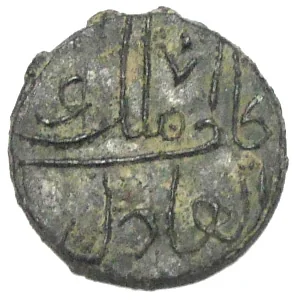
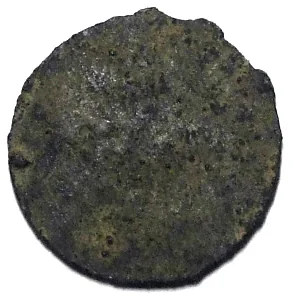
1 Pitis – Sultanate of Trengganu
Malaysia
Obverse
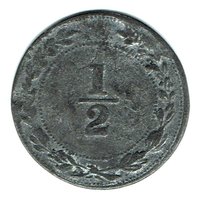
Reverse
Description:
Simple.
Edge
Plain
Mintings
| Year | Mint Mark | Mintage | Quality | Collection |
|---|---|---|---|---|
| — | — | — |
Historical background
In the early 18th century, the Sultanate of Terengganu, on the east coast of the Malay Peninsula, operated within a complex and multi-layered currency environment. The local economy was fundamentally based on barter and the use of commodity money, with tin pitis (small coins) and gold mas (a weight-based unit) serving as indigenous mediums of exchange. However, Terengganu’s strategic position on regional trade routes meant its monetary system was deeply influenced by foreign currencies brought by international merchants.
The most significant external currency was the Spanish silver dollar (real de a ocho or "ringgit"), which circulated widely due to the lucrative trade in tin, pepper, and other local produce with European, Chinese, and other Southeast Asian traders. These large, high-value silver coins were essential for substantial commercial transactions and state finance. Alongside them, a variety of other silver and copper coins from neighbouring Malay states, the Dutch United East India Company (VOC), and the Siamese kingdom also flowed into the port markets, creating a heterogeneous monetary landscape where coins were valued by their intrinsic metal content and weight.
This period likely predates the issuance of any formal, state-minted Terengganu coinage, which emerged later in the century. Therefore, around 1700, the currency situation was characterised by a pragmatic adaptation to global and regional flows. The Sultanate’s economy functioned through a combination of local commodity money for everyday use and an array of foreign silver coins for external trade, with royal authority exercised more through control of trade and tin production than through a unified monetary system. This arrangement reflected Terengganu’s status as a prosperous, outward-looking trading polity integrated into the wider maritime economy of Asia.
The most significant external currency was the Spanish silver dollar (real de a ocho or "ringgit"), which circulated widely due to the lucrative trade in tin, pepper, and other local produce with European, Chinese, and other Southeast Asian traders. These large, high-value silver coins were essential for substantial commercial transactions and state finance. Alongside them, a variety of other silver and copper coins from neighbouring Malay states, the Dutch United East India Company (VOC), and the Siamese kingdom also flowed into the port markets, creating a heterogeneous monetary landscape where coins were valued by their intrinsic metal content and weight.
This period likely predates the issuance of any formal, state-minted Terengganu coinage, which emerged later in the century. Therefore, around 1700, the currency situation was characterised by a pragmatic adaptation to global and regional flows. The Sultanate’s economy functioned through a combination of local commodity money for everyday use and an array of foreign silver coins for external trade, with royal authority exercised more through control of trade and tin production than through a unified monetary system. This arrangement reflected Terengganu’s status as a prosperous, outward-looking trading polity integrated into the wider maritime economy of Asia.
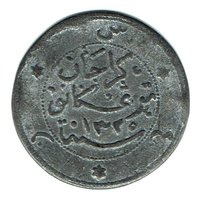
💎 Extremely Rare