

1 Filippo – Milan
Italy
Context
Years: 1676–1694
Country: Italy 
Issuer: Milan
Ruler: Charles II
Currency:
(1515—1796)
Demonetized: Yes
Material
References
KM: #Click to copy to clipboard92
Numista: #21520
Value
Bullion value: $71.71
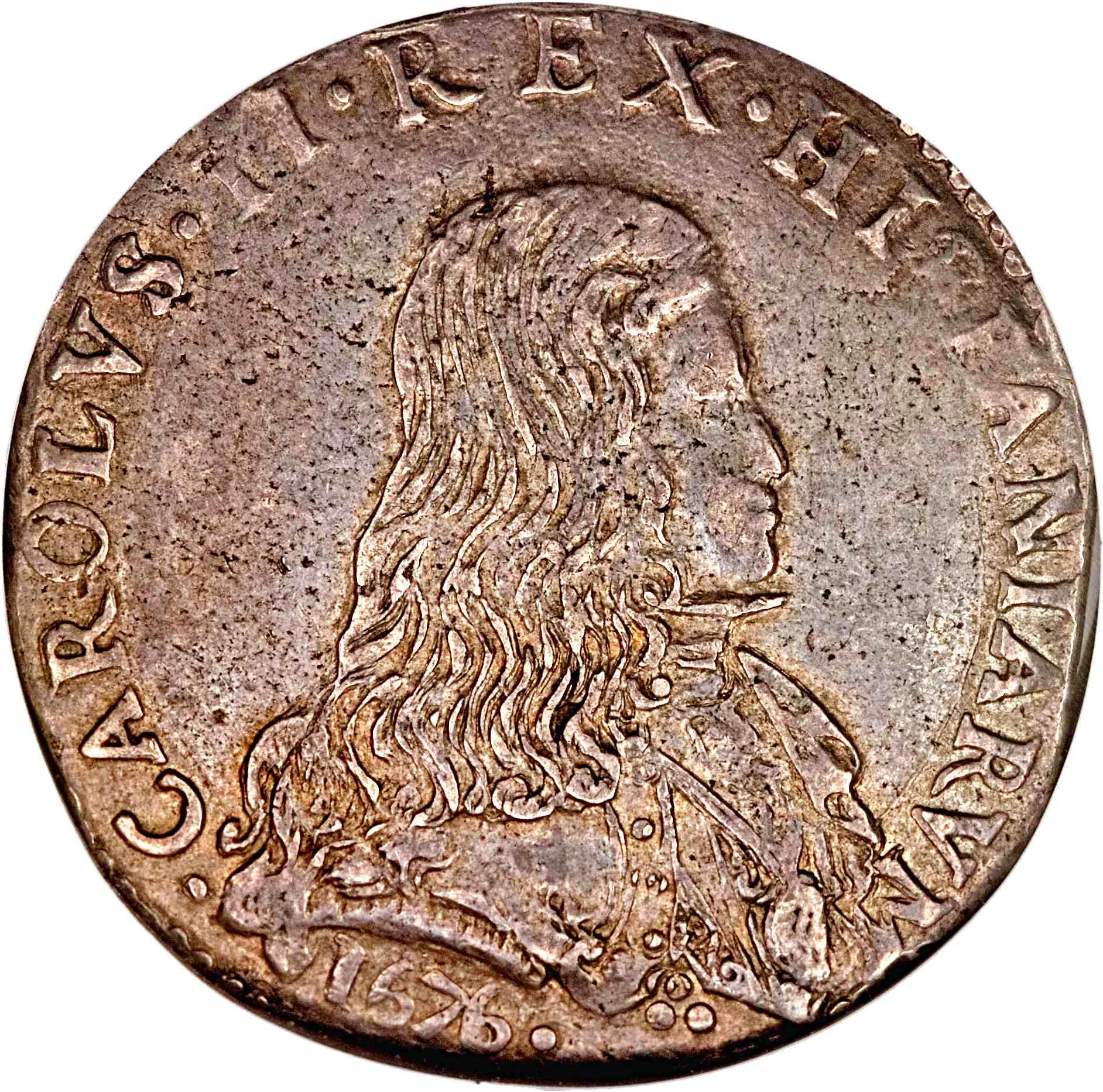
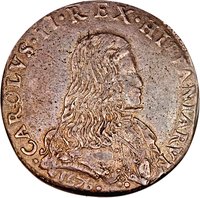
Obverse
Description:
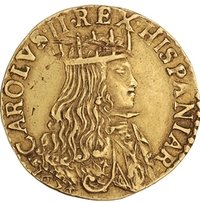
Right-facing bust, date beneath.
Inscription:
CAROLVS. II. REX. HISPANIARVM.
Script: Latin
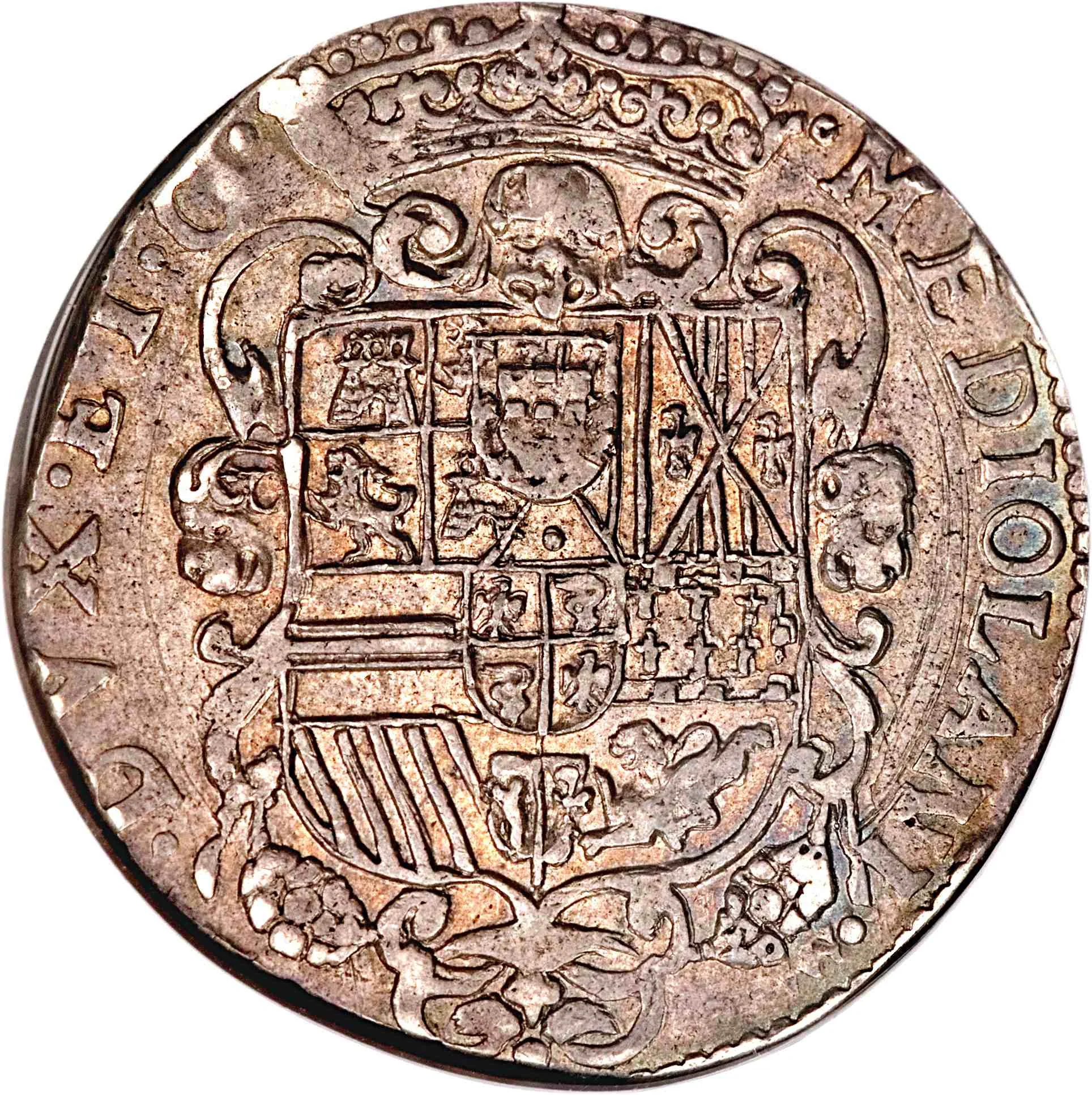
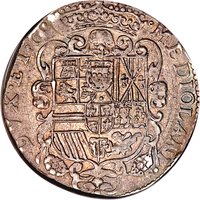
Reverse
Description:
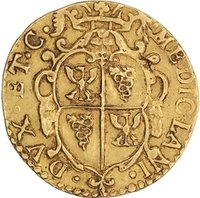
Baroque-framed shield with many heraldic arms.
Inscription:
MEDIOLANI. - DVX. ET. C.
Script: Latin
Edge
Categories
| Object> Armour |
| Symbols> Coat of Arms |
Mints
| Name | Mark |
|---|---|
| Milan | — |
Mintings
| Year | Mint Mark | Mintage | Quality | Collection |
|---|---|---|---|---|
| 1676 | — | — | ||
| 1694 | — | — |
Historical background
In 1676, Milan found itself at a complex monetary crossroads, caught between its local traditions and the pressures of the wider Spanish Empire. As the Duchy of Milan was a vital strategic and financial hub for Spain's Habsburg rulers, its currency was deeply entangled with the empire's fiscal policies. The primary unit was the lira imperiale (imperial lira), but the actual circulating medium was a chaotic mix of physical coins: Spanish silver reales, local silver sesini and parpagliole, and a plethora of foreign coins from neighboring Italian states and beyond. This proliferation created constant challenges for merchants and authorities alike.
The period was marked by a severe shortage of high-value silver coinage, a problem plaguing much of Europe due to the outflow of silver to the East. This scarcity led to the widespread use of overvalued, debased billon coins (low-grade silver) for everyday transactions, which in turn drove good silver coins out of circulation according to Gresham's Law. The Spanish crown, frequently short of funds for its military campaigns, often resorted to currency manipulations, such as officially raising the nominal value of specific coins, which distorted prices and eroded public trust. Counterfeiting was also a rampant issue, further complicating trade and tax collection.
Consequently, Milanese merchants and bankers operated within a system requiring expert campsores (money-changers) to assess the precise weight and metal content of each coin. The government, through the Magistrato delle Monete, issued repeated edicts to fix exchange rates and ban certain debased currencies, but with limited success. This unstable environment placed a significant burden on commerce, incentivized hoarding, and reflected the broader economic strains of the Spanish Habsburg monarchy, which was struggling to maintain its hegemony and would eventually cede Milan to Austrian rule in the early 18th century.
The period was marked by a severe shortage of high-value silver coinage, a problem plaguing much of Europe due to the outflow of silver to the East. This scarcity led to the widespread use of overvalued, debased billon coins (low-grade silver) for everyday transactions, which in turn drove good silver coins out of circulation according to Gresham's Law. The Spanish crown, frequently short of funds for its military campaigns, often resorted to currency manipulations, such as officially raising the nominal value of specific coins, which distorted prices and eroded public trust. Counterfeiting was also a rampant issue, further complicating trade and tax collection.
Consequently, Milanese merchants and bankers operated within a system requiring expert campsores (money-changers) to assess the precise weight and metal content of each coin. The government, through the Magistrato delle Monete, issued repeated edicts to fix exchange rates and ban certain debased currencies, but with limited success. This unstable environment placed a significant burden on commerce, incentivized hoarding, and reflected the broader economic strains of the Spanish Habsburg monarchy, which was struggling to maintain its hegemony and would eventually cede Milan to Austrian rule in the early 18th century.
✨ Legendary