

1 Silver Daler – Sweden
Sweden
Context
Year: 1718
Issuer: Sweden 
Ruler: Charles XII
Currency:
(1715—1719)
Demonetized: Yes
Total mintage: 736,800
Material
References
KM: #Click to copy to clipboardA356
Numista: #20824
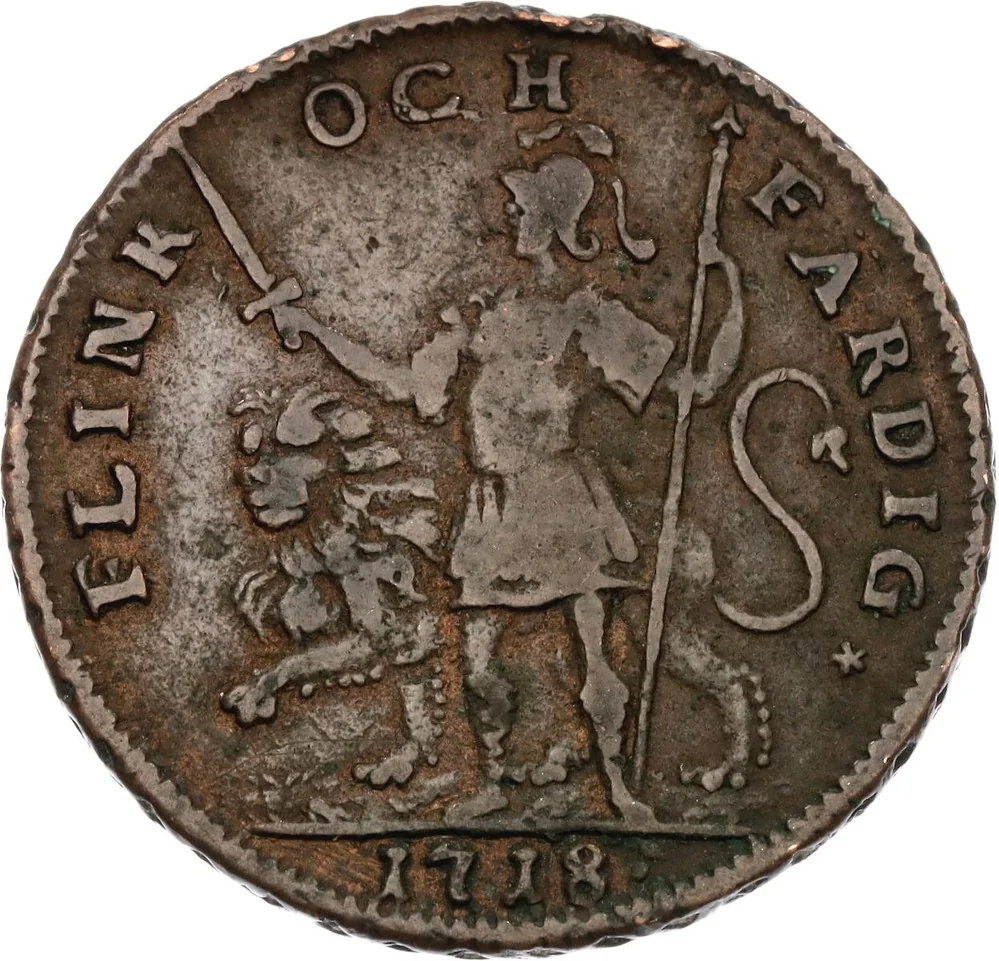
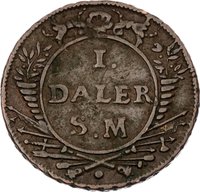
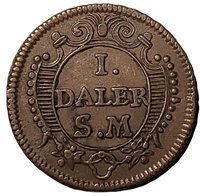
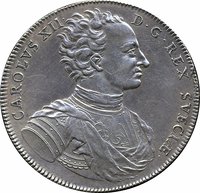
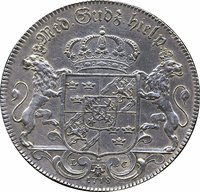
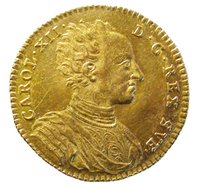
Obverse
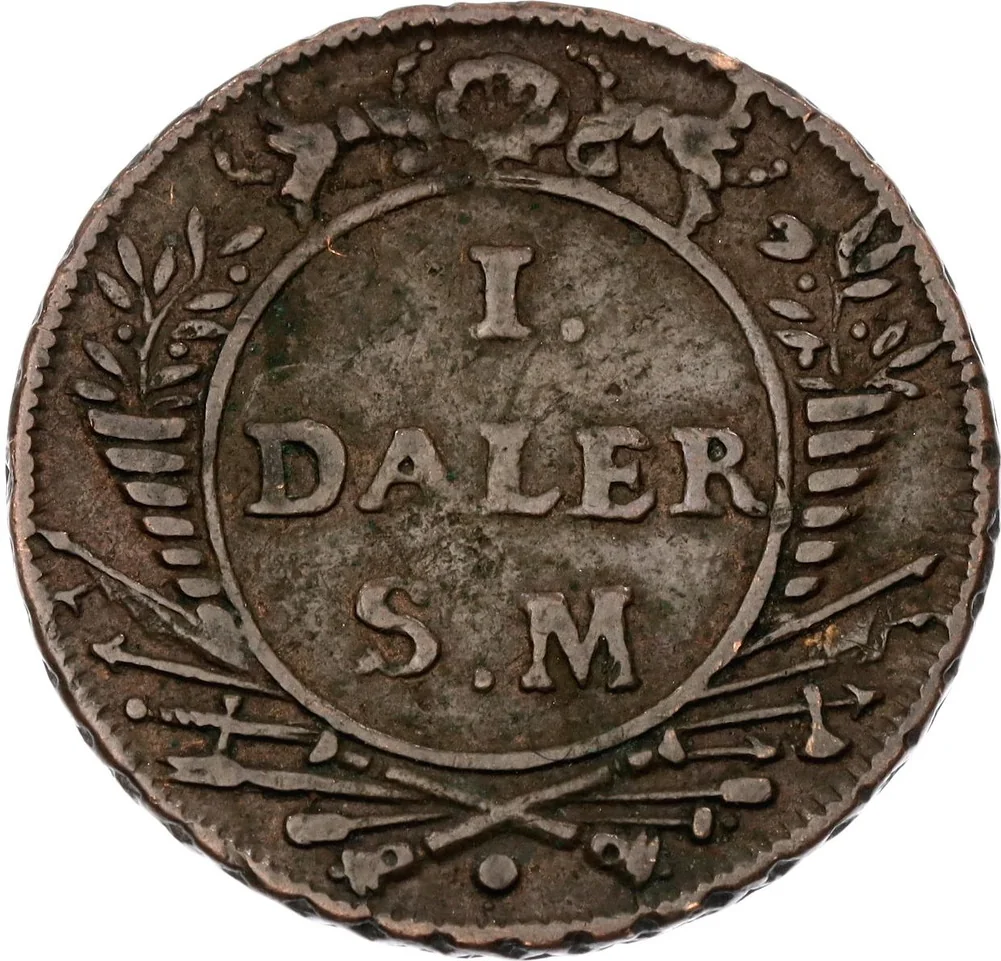
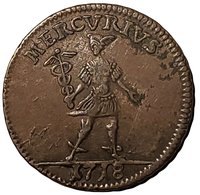
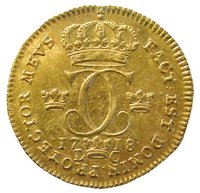
Reverse
Edge
Mintings
| Year | Mint Mark | Mintage | Quality | Collection |
|---|---|---|---|---|
| 1718 | — | 736,800 |
Historical background
In 1718, Sweden was in the midst of the Great Northern War (1700-1721), a conflict that had drained the nation's treasury and severely destabilised its monetary system. King Charles XII, ruling from his exile in the Ottoman Empire, financed the prolonged war effort through a combination of heavy taxation, foreign loans, and, most critically, the repeated debasement of the currency. The Swedish Riksbank, the world's oldest central bank, was compelled to issue vast quantities of copper and silver coinage with progressively lower precious metal content, leading to rampant inflation and a severe loss of public confidence in the money.
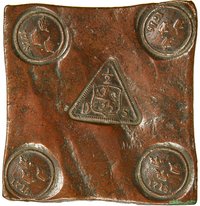
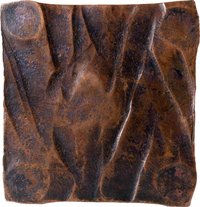
The situation was characterised by a complex and chaotic multi-metal system. Sweden operated on a bimetallic standard of silver and copper, but the value between coins and their metal content had become wildly disconnected. Notably, Sweden still used massive copper plate money (plåtmynt), some weighing over 20 kilograms, which was impractical and whose value was plummeting. At the same time, the government issued low-quality "credit coins" and promissory notes to pay for military supplies, creating a confusing mix of currencies of dubious worth circulating within the realm.
This monetary crisis reached a pivotal point in late 1718 with the death of Charles XII at the siege of Fredriksten in November. His sudden demise threw the state into a political succession crisis, which immediately exacerbated the financial turmoil. The war-weary "Age of Liberty" parliament (Riksdag) that followed sought peace and faced the monumental task of stabilising the nation's finances. Thus, the currency situation of 1718 represented the peak of wartime fiscal desperation, setting the stage for the extensive monetary reforms and the establishment of a more structured paper currency system that would define Swedish finance in the ensuing decades.
The situation was characterised by a complex and chaotic multi-metal system. Sweden operated on a bimetallic standard of silver and copper, but the value between coins and their metal content had become wildly disconnected. Notably, Sweden still used massive copper plate money (plåtmynt), some weighing over 20 kilograms, which was impractical and whose value was plummeting. At the same time, the government issued low-quality "credit coins" and promissory notes to pay for military supplies, creating a confusing mix of currencies of dubious worth circulating within the realm.
This monetary crisis reached a pivotal point in late 1718 with the death of Charles XII at the siege of Fredriksten in November. His sudden demise threw the state into a political succession crisis, which immediately exacerbated the financial turmoil. The war-weary "Age of Liberty" parliament (Riksdag) that followed sought peace and faced the monumental task of stabilising the nation's finances. Thus, the currency situation of 1718 represented the peak of wartime fiscal desperation, setting the stage for the extensive monetary reforms and the establishment of a more structured paper currency system that would define Swedish finance in the ensuing decades.
Series: 1718 Sweden circulation coins
🌟 Uncommon