

1 Penny – Ireland
Ireland
Context
Material
Diameter: 20 mm
Weight: 1.9 g
Shape: Irregular round
Composition: Copper
Magnetic: No
Alignment: Medal alignment
flip
References
KM: #Click to copy to clipboard6.1; 6.2;
Numista: #200123
Obverse
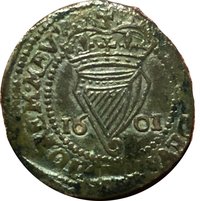
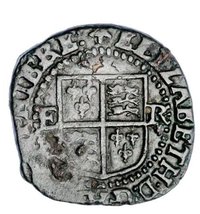
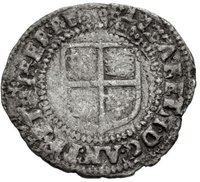
Description:
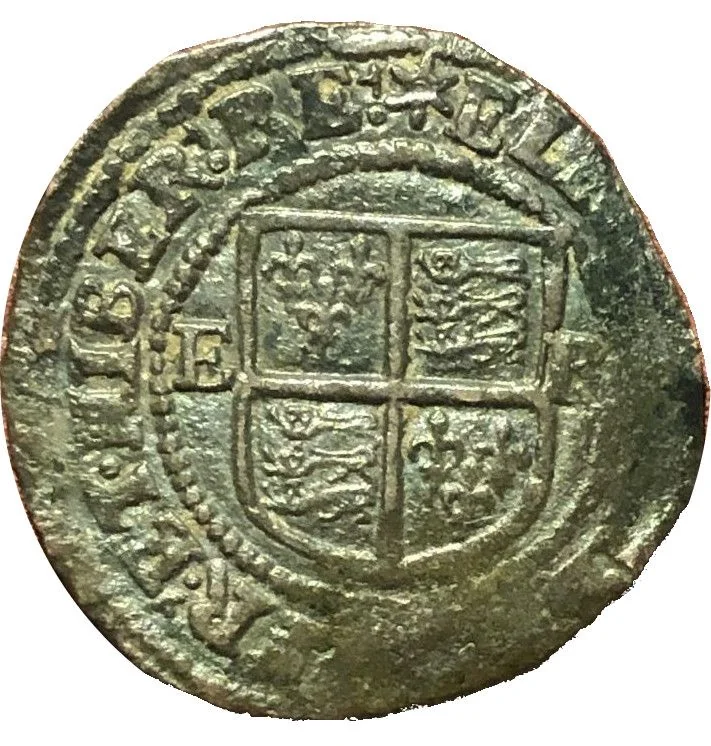
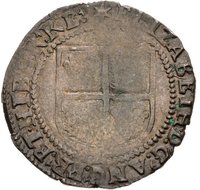
Quartered shield with E left, R right, surrounded by beaded circles and legend; star initial marks on both sides.
Inscription:
* ELIZABETH D G AN FR ET HIBER RE
Script: Latin
Reverse
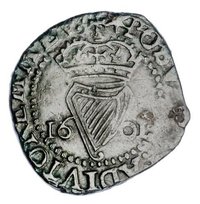
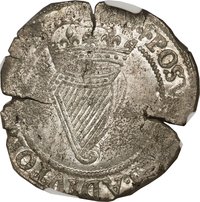
Description:
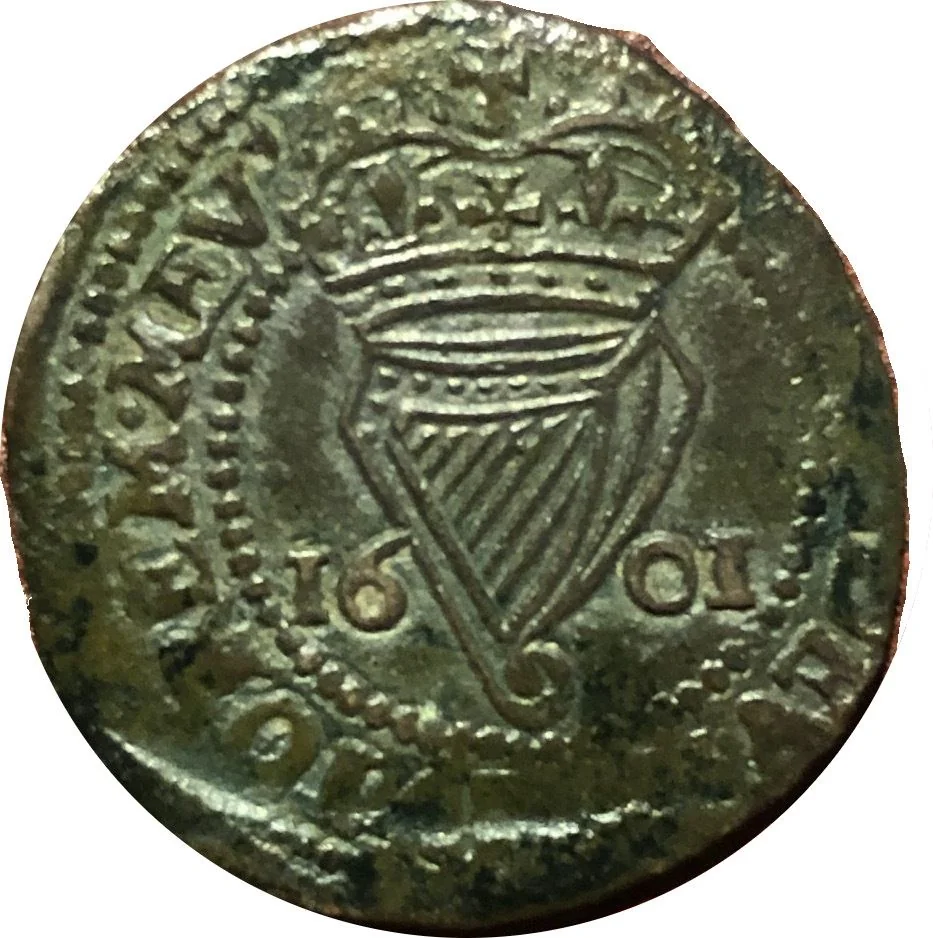
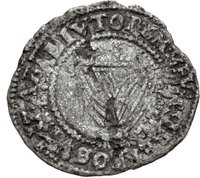
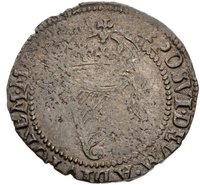
Crowned harp, date flanking base, within beaded circle and legend.
Inscription:
* POSVI DEV ADIVTOREM MEV[M]
Script: Latin
Edge
Mintings
| Year | Mint Mark | Mintage | Quality | Collection |
|---|---|---|---|---|
| 1601 | — | — | ||
| 1602 | — | — |
Historical background
In 1601, Ireland’s currency situation was complex and fractured, reflecting the island’s political turmoil during the final stages of the Nine Years' War (1594-1603). The official currency was based on the English monetary system of pounds, shillings, and pence, with silver coins like shillings and sixpences being minted in England and circulating, primarily in the areas under Crown control around Dublin (the Pale) and other garrison towns. However, the reach of this regulated coinage was limited, and its supply was often insufficient for the economy, leading to chronic shortages of small change.
Beyond the Pale, a much older system of valuation persisted, especially in Gaelic and rebel-held territories. Here, the economy still operated significantly on a traditional basis of barter and commodity money. The most important unit of account was not the English penny but the ‘pinginn’ (penny) of account, which was linked to the value of staple goods like cows, grain, or butter. A system of exchange rates existed between these commodity values and sterling, but it was fluid and localised. Spanish silver reales, brought in by trade or through Spanish aid to Irish forces (notably at Kinsale in late 1601), also circulated irregularly, adding another layer of complexity.
This monetary duality created significant economic friction. Debasement and clipping of coins were common, and the lack of a uniform, trusted currency hampered trade and administration. For the English Crown, imposing a single, stable currency was a key objective in establishing control, as it would facilitate taxation and economic integration. Thus, the currency chaos of 1601 was not merely an economic issue but a direct symptom and cause of the wider struggle for political sovereignty over Ireland, which would culminate in the English victory at Kinsale and the subsequent collapse of the Gaelic order.
Beyond the Pale, a much older system of valuation persisted, especially in Gaelic and rebel-held territories. Here, the economy still operated significantly on a traditional basis of barter and commodity money. The most important unit of account was not the English penny but the ‘pinginn’ (penny) of account, which was linked to the value of staple goods like cows, grain, or butter. A system of exchange rates existed between these commodity values and sterling, but it was fluid and localised. Spanish silver reales, brought in by trade or through Spanish aid to Irish forces (notably at Kinsale in late 1601), also circulated irregularly, adding another layer of complexity.
This monetary duality created significant economic friction. Debasement and clipping of coins were common, and the lack of a uniform, trusted currency hampered trade and administration. For the English Crown, imposing a single, stable currency was a key objective in establishing control, as it would facilitate taxation and economic integration. Thus, the currency chaos of 1601 was not merely an economic issue but a direct symptom and cause of the wider struggle for political sovereignty over Ireland, which would culminate in the English victory at Kinsale and the subsequent collapse of the Gaelic order.
Series: 1601 Ireland circulation coins
💎 Extremely Rare