

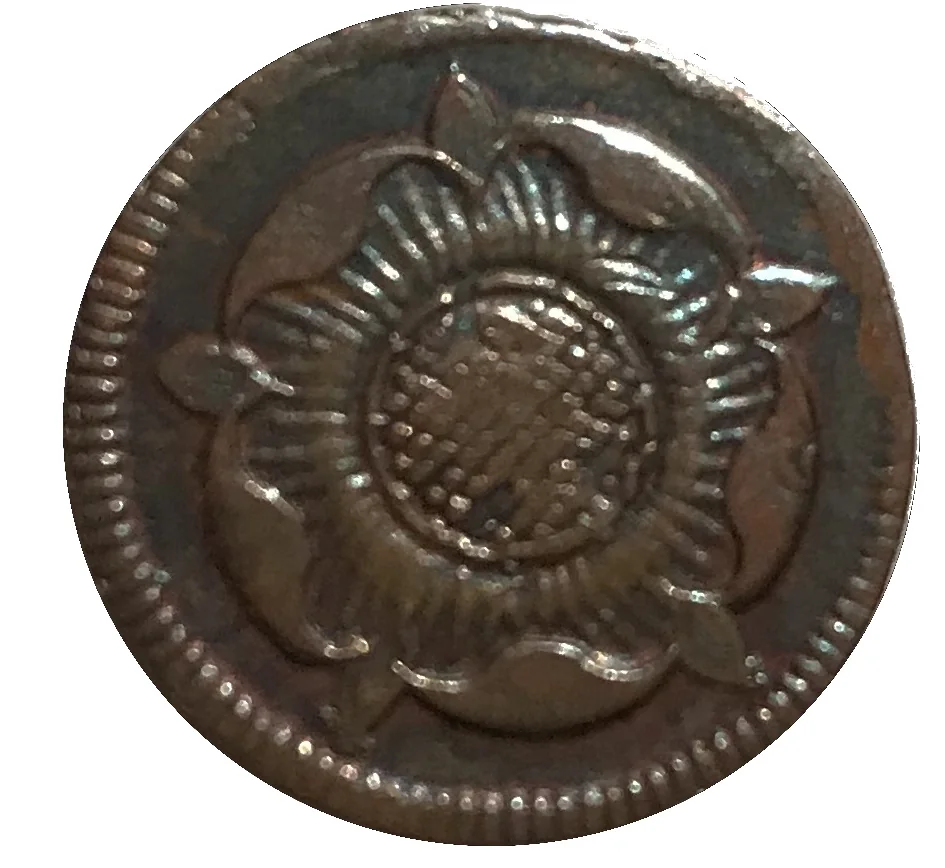
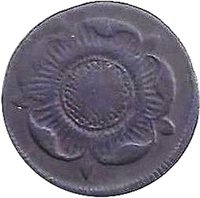
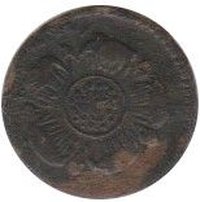
Obverse
Description:
A rose.
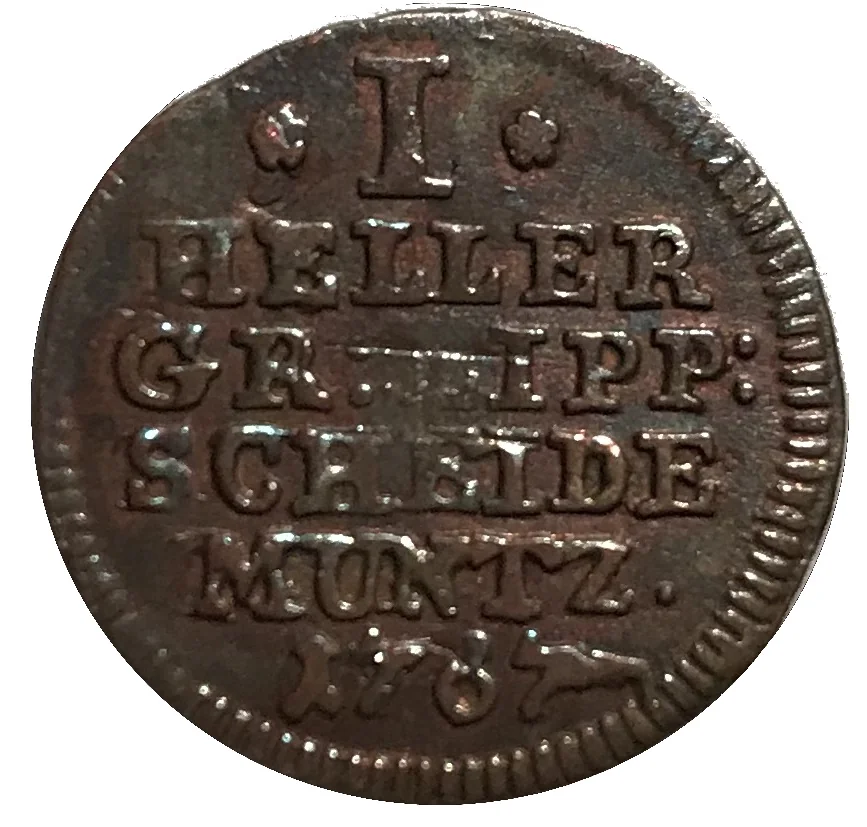
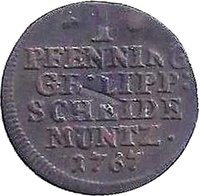
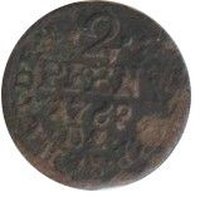
Reverse
Description:
Denomination and date on six lines.
Inscription:
*I*
HELLER
GR. LIPP:
SCHEIDE
MUNTZ
1767
HELLER
GR. LIPP:
SCHEIDE
MUNTZ
1767
Edge
Mints
| Name | Mark |
|---|---|
| Detmold | — |
Mintings
| Year | Mint Mark | Mintage | Quality | Collection |
|---|---|---|---|---|
| 1767 | — | — | ||
| 1768 | — | — |
Historical background
In 1767, the County of Lippe-Detmold, like many small German states within the Holy Roman Empire, faced a complex and challenging currency situation. The primary unit of account was the Taler, but the monetary landscape was fragmented. The county did not have a strong, independent minting tradition and instead relied heavily on circulating coins from larger neighbouring states, such as Hanoverian and Prussian coinage, as well as older regional issues. This led to a proliferation of different coins in circulation, each with varying metallic content and real value, creating confusion and facilitating fraud in everyday trade.
The core problem was the chronic shortage of high-quality, full-value specie (silver coins). This scarcity was exacerbated by the economic strain of the Seven Years' War (1756-1763), which had only ended four years prior. The war had drained silver reserves and prompted many states, including Lippe-Detmold's neighbours, to debase their coinage to finance military expenses. Consequently, the county's economy suffered from an influx of inferior, lightweight, or counterfeit coins, which drove the better, full-weight coins out of circulation—a phenomenon described by Gresham's Law ("bad money drives out good").
Recognising the need for monetary stability and sovereign control, Count Simon August zur Lippe-Detmold took decisive action in 1767. He initiated a significant currency reform by establishing a formal minting treaty (Münzvertrag) with the neighbouring Prince-Bishopric of Paderborn. This agreement allowed for the production of standardized, high-quality silver coins, notably the Lippe-Detmold Taler, marked with the count's insignia. This reform aimed to restore public confidence in the currency, suppress the circulation of debased foreign coins, and assert the county's economic authority, marking a pivotal step toward a more stable and unified monetary system within its borders.
The core problem was the chronic shortage of high-quality, full-value specie (silver coins). This scarcity was exacerbated by the economic strain of the Seven Years' War (1756-1763), which had only ended four years prior. The war had drained silver reserves and prompted many states, including Lippe-Detmold's neighbours, to debase their coinage to finance military expenses. Consequently, the county's economy suffered from an influx of inferior, lightweight, or counterfeit coins, which drove the better, full-weight coins out of circulation—a phenomenon described by Gresham's Law ("bad money drives out good").
Recognising the need for monetary stability and sovereign control, Count Simon August zur Lippe-Detmold took decisive action in 1767. He initiated a significant currency reform by establishing a formal minting treaty (Münzvertrag) with the neighbouring Prince-Bishopric of Paderborn. This agreement allowed for the production of standardized, high-quality silver coins, notably the Lippe-Detmold Taler, marked with the count's insignia. This reform aimed to restore public confidence in the currency, suppress the circulation of debased foreign coins, and assert the county's economic authority, marking a pivotal step toward a more stable and unified monetary system within its borders.
✨ Legendary