

4 marks – Sweden
Add to wishlist
Sweden
Context
Year: 1732
Issuer: Sweden
Ruler: Frederick I
Currency:
(1719—1798)
Demonetized: Yes
Total mintage: 15,024
Material
References
KM: #
Numista: #107772
Value
Bullion value: $36.17
Obverse
Description:
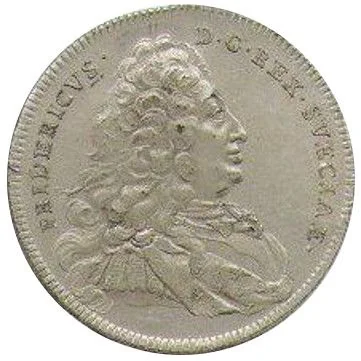
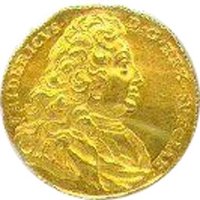
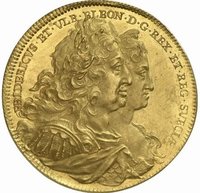
Bust of Frederick I with long curls, wearing ornate armor with shoulder ribbons and a draped, crown-adorned mantle fastened by a large brooch.
Inscription:
FRIDERICVS • D•G • REX • SVECIÆ •
Reverse
Description:
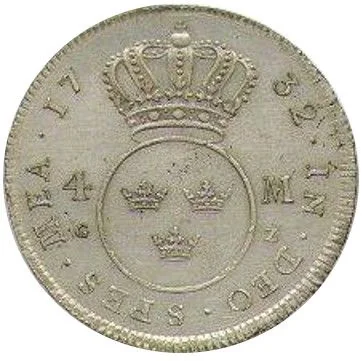
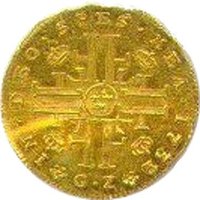
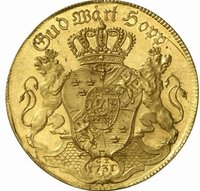
Sweden's Three Crowns within a circle divides value and mintmark. The date, split by the crown, ends the surrounding text.
Inscription:
IN • DEO • SPES • MEA • 17 32 •
4 M
G Z
4 M
G Z
Edge
Diagonal reeding
Mints
| Name | Mark |
|---|---|
| Stockholm | — |
Mintings
| Year | Mint Mark | Mintage | Quality | Collection |
|---|---|---|---|---|
| 1732 | — | 15,024 |
Historical background
In 1732, Sweden operated under a complex and strained monetary system, a legacy of its period as a great power in the 17th century. The official currency was the silver riksdaler, but decades of war financing had led to severe debasement and the widespread circulation of depreciated copper plate money (plåtmynt). This created a cumbersome dual system where heavy copper "plate money" (literally large sheets of stamped copper) facilitated large transactions and acted as a form of credit, while a severe shortage of small silver and copper coinage crippled everyday commerce for the common people.
The situation was actively managed by the Riksens Ständers Bank (the Bank of the Estates of the Realm, precursor to the Riksbank), established in 1668. In response to the chronic small change shortage, the bank had embarked on a major recoinage program in the late 1720s, issuing new copper daler coins and öre pieces. By 1732, these new coins were in circulation, but the underlying structural problems remained. The economy still suffered from the after-effects of the Great Northern War, and the value of money was unstable, with frequent discrepancies between the face value of coins and their intrinsic metal content.
Consequently, the currency situation in 1732 was one of fragile transition. While the government and the bank were taking steps to rationalize the coinage and restore confidence, the system was far from stable. Merchants and the public had to navigate a mix of old and new coins of varying acceptability, and the scarcity of usable small change continued to hamper economic activity. This period laid the groundwork for more significant monetary reforms that would follow later in the 1730s under the influence of the Hat Party, which sought to stimulate the economy through controlled inflation and a modernized credit system.
The situation was actively managed by the Riksens Ständers Bank (the Bank of the Estates of the Realm, precursor to the Riksbank), established in 1668. In response to the chronic small change shortage, the bank had embarked on a major recoinage program in the late 1720s, issuing new copper daler coins and öre pieces. By 1732, these new coins were in circulation, but the underlying structural problems remained. The economy still suffered from the after-effects of the Great Northern War, and the value of money was unstable, with frequent discrepancies between the face value of coins and their intrinsic metal content.
Consequently, the currency situation in 1732 was one of fragile transition. While the government and the bank were taking steps to rationalize the coinage and restore confidence, the system was far from stable. Merchants and the public had to navigate a mix of old and new coins of varying acceptability, and the scarcity of usable small change continued to hamper economic activity. This period laid the groundwork for more significant monetary reforms that would follow later in the 1730s under the influence of the Hat Party, which sought to stimulate the economy through controlled inflation and a modernized credit system.
✨ Legendary