Logo Title
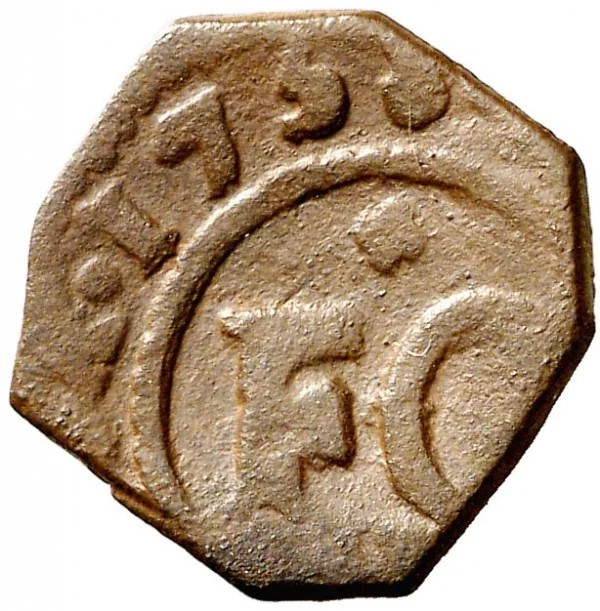
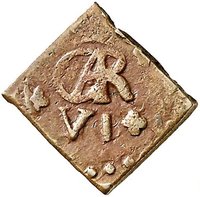
obverse
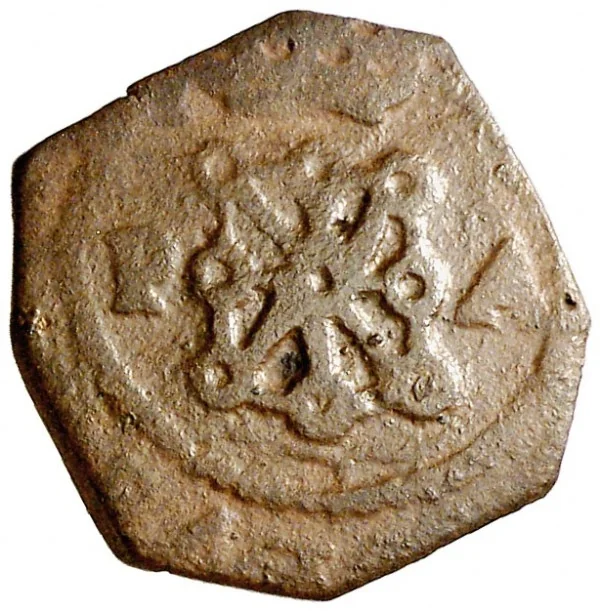
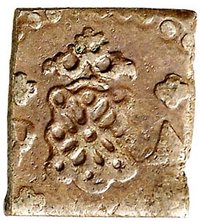
reverse
Aureo & Calicó S.L., subastas numismáticas

4 Deniers – Kingdom of Navarre

Spain
Context
Years: 1749–1758
Country: Spain Country flag
Currency:
Demonetized: Yes
Material
Diameter: 18 mm
Weight: 3 g
Shape: Octagonal
Composition: Copper
Magnetic: No
Technique: Hammered
References
KM: #Click to copy to clipboard86
Numista: #107745

Obverse

Description:
FO II initials
Inscription:
HISPANIARUM REX 1753

FO II
Script: Latin

Reverse

Description:
Arms with a crown.
Inscription:
FERNANDUS VI D G

P A
Script: Latin

Edge

Mints

NameMark
Pamplona

Mintings

YearMint MarkMintageQualityCollection
1749PA
1750PA
1753PA
1756PA
1757PA
1758PA

Historical background

In 1749, the Kingdom of Navarre, while politically integrated into the Spanish Crown through the personal union of the Catholic Monarchs in 1512, retained significant fiscal and monetary autonomy as a reino (kingdom) with its own laws and institutions. This unique status was rooted in its fueros (charters), which granted it the right to control internal taxation and, crucially, to mint its own coinage. The Royal Mint in Pamplona was the physical manifestation of this privilege, producing distinctive Navarrese currency that circulated within the kingdom alongside Spanish and foreign coins.

The monetary landscape was complex and somewhat chaotic. The primary unit was the real, but the system included a proliferation of copper vellón coins of varying values (like cuartos and sueldos), which were essential for everyday small transactions. A persistent problem was the shortage of this low-denomination coinage, leading to frequent counterfeiting and the clipping of coins, which eroded public trust. Furthermore, the value and acceptance of Navarre's coinage were influenced by the broader monetary policies of the Spanish Crown, which often debased currency to finance state debts, causing inflation and instability that inevitably spilled into Navarre's economy.

Therefore, the currency situation in 1749 was one of strained duality: a symbol of Navarrese identity and self-governance through its mint, yet simultaneously subject to the economic pressures and inflationary trends of the wider Spanish monarchy. The authorities in Pamplona were constantly engaged in a balancing act—managing local needs, enforcing the legitimacy of their coinage against forgers, and navigating the fiscal demands from Madrid—all of which defined the challenging monetary environment of the mid-18th century kingdom.
Legendary