

6 Kreuzers – Austrian Empire
Austria
Context
Year: 1606
Country: Austria 
Issuer: Austrian Empire
Ruler: Rudolph II
Currency:
(1520—1754)
Demonetized: Yes
Material
References
KM: #Click to copy to clipboard75
Numista: #107626
Value
Bullion value: $7.26
Obverse
Description:
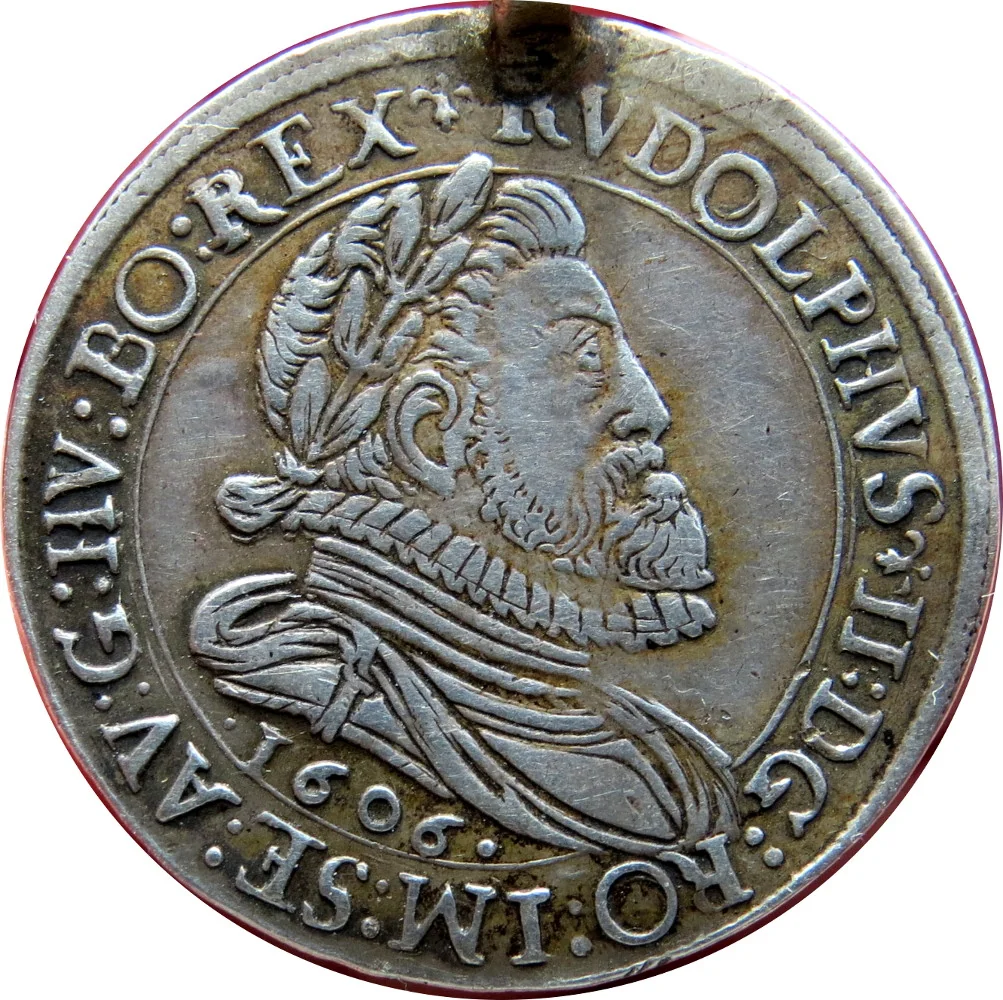
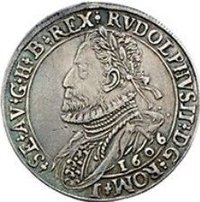
Laureate bust right, legend around, date below.
Inscription:
RVDOLPHVS II D G RO IM SE AV G HV BO REX
.1606.
.1606.
Script: Latin
Reverse
Description:
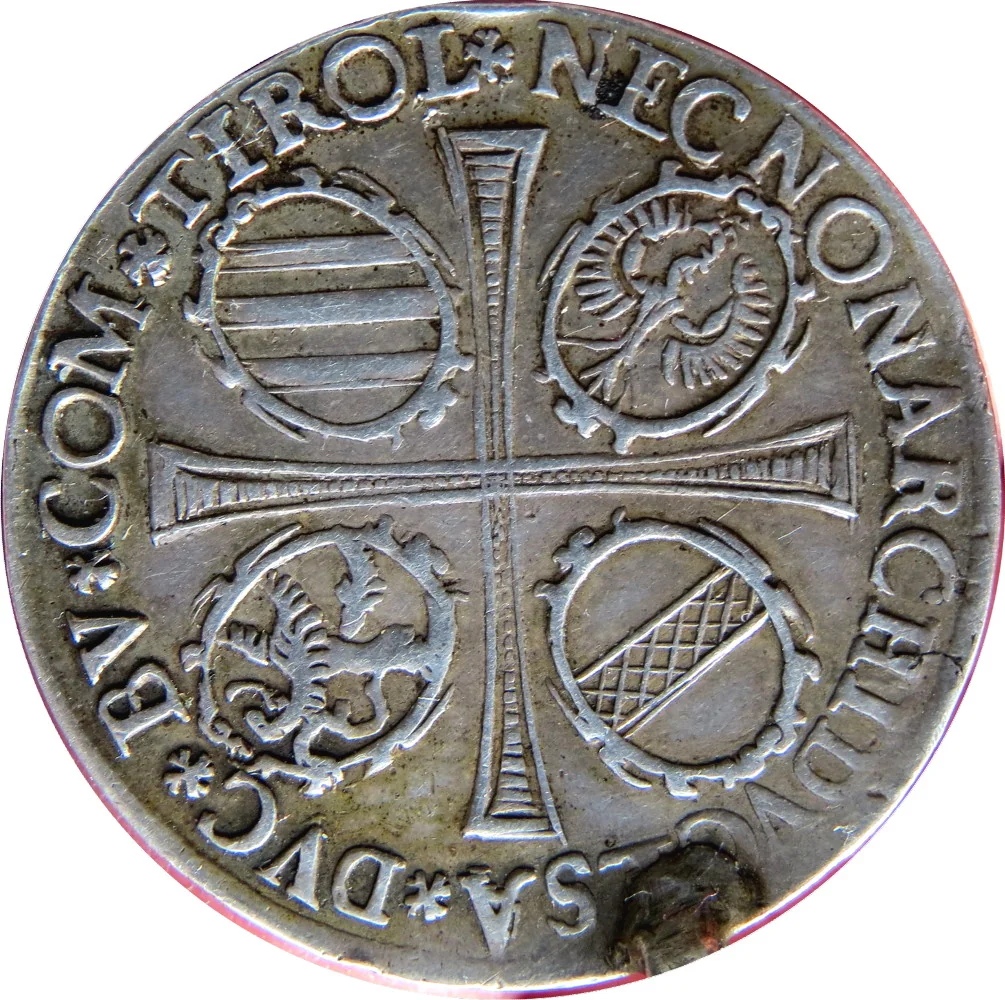
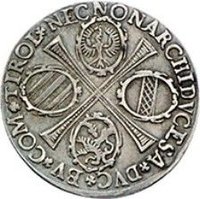
Four shields divided by a cross: Tyrol, Austria, Styria, and ancient Burgundy.
Inscription:
NECNON ARCHIDUCES A DVC BV COM TYROL
Script: Latin
Edge
Mints
| Name | Mark |
|---|---|
| Hall | — |
Mintings
| Year | Mint Mark | Mintage | Quality | Collection |
|---|---|---|---|---|
| 1606 | — | — |
Historical background
In 1606, the currency system of the Habsburg-ruled Austrian Empire was a complex and unstable patchwork, fundamentally strained by the Long Turkish War (1593-1606). The immense cost of financing this conflict against the Ottoman Empire had drained the imperial treasury, leading to severe fiscal deficits. Successive emperors, notably Rudolf II, resorted to the debasement of coinage—reducing the precious metal content in coins like the Guldiner and Kreuzer—to generate short-term revenue. This practice, while filling state coffers, triggered rampant inflation, a loss of public confidence in the currency, and economic hardship across the hereditary lands.
The monetary landscape was further fragmented by the empire's decentralized structure. While the central Reichsmünzordnung (Imperial Coinage Ordinance) set theoretical standards, individual territories and even cities often issued their own coinage with varying silver content. This created a chaotic marketplace where "bad money" (debased coins) drove out "good money" (full-weight coins), which were hoarded or melted down. The situation was exacerbated by an influx of even more severely debased foreign coins from neighboring states, circulating freely and distorting trade.
The year 1606 itself was pivotal, as it marked the end of the war with the Peace of Zsitvatorok. This brought a temporary respite from military spending but did not immediately resolve the underlying monetary crisis. The peace treaty's large indemnity payment from the Ottomans provided some fiscal relief, yet the deeply entrenched problems of debasement and monetary fragmentation required structural reform. Consequently, the following decades saw repeated, though often only partially successful, imperial attempts to restore a uniform and stable silver-based currency, a challenge that would persist throughout the 17th century.
The monetary landscape was further fragmented by the empire's decentralized structure. While the central Reichsmünzordnung (Imperial Coinage Ordinance) set theoretical standards, individual territories and even cities often issued their own coinage with varying silver content. This created a chaotic marketplace where "bad money" (debased coins) drove out "good money" (full-weight coins), which were hoarded or melted down. The situation was exacerbated by an influx of even more severely debased foreign coins from neighboring states, circulating freely and distorting trade.
The year 1606 itself was pivotal, as it marked the end of the war with the Peace of Zsitvatorok. This brought a temporary respite from military spending but did not immediately resolve the underlying monetary crisis. The peace treaty's large indemnity payment from the Ottomans provided some fiscal relief, yet the deeply entrenched problems of debasement and monetary fragmentation required structural reform. Consequently, the following decades saw repeated, though often only partially successful, imperial attempts to restore a uniform and stable silver-based currency, a challenge that would persist throughout the 17th century.
✨ Legendary