

3 Réis – Portugal
Portugal

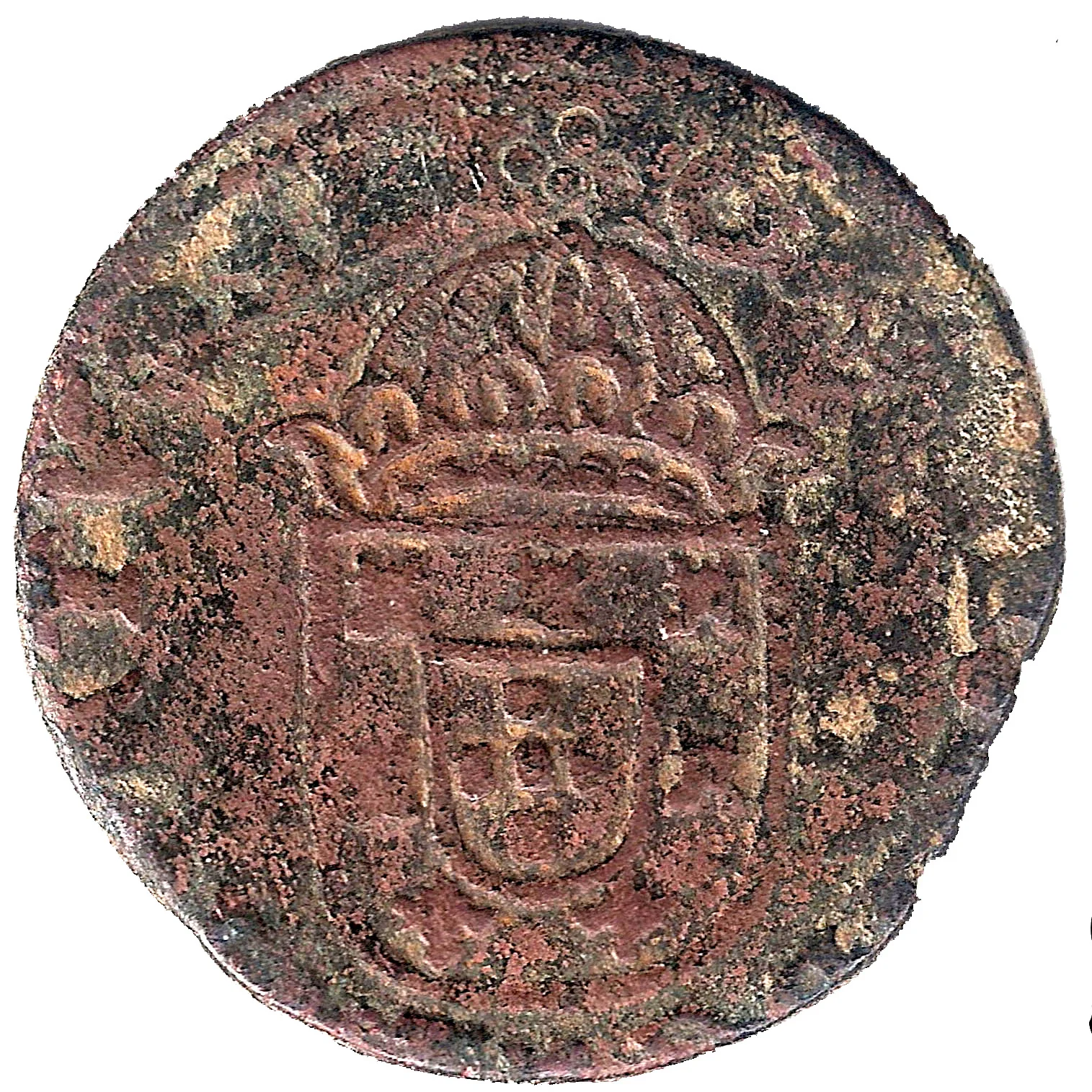
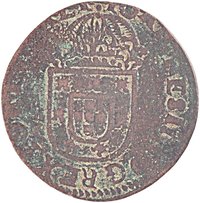
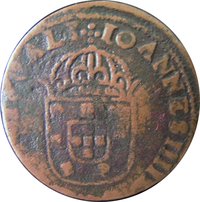
Obverse
Inscription:
IOANNES IIII D G REX PORTVGAL
Script: Latin
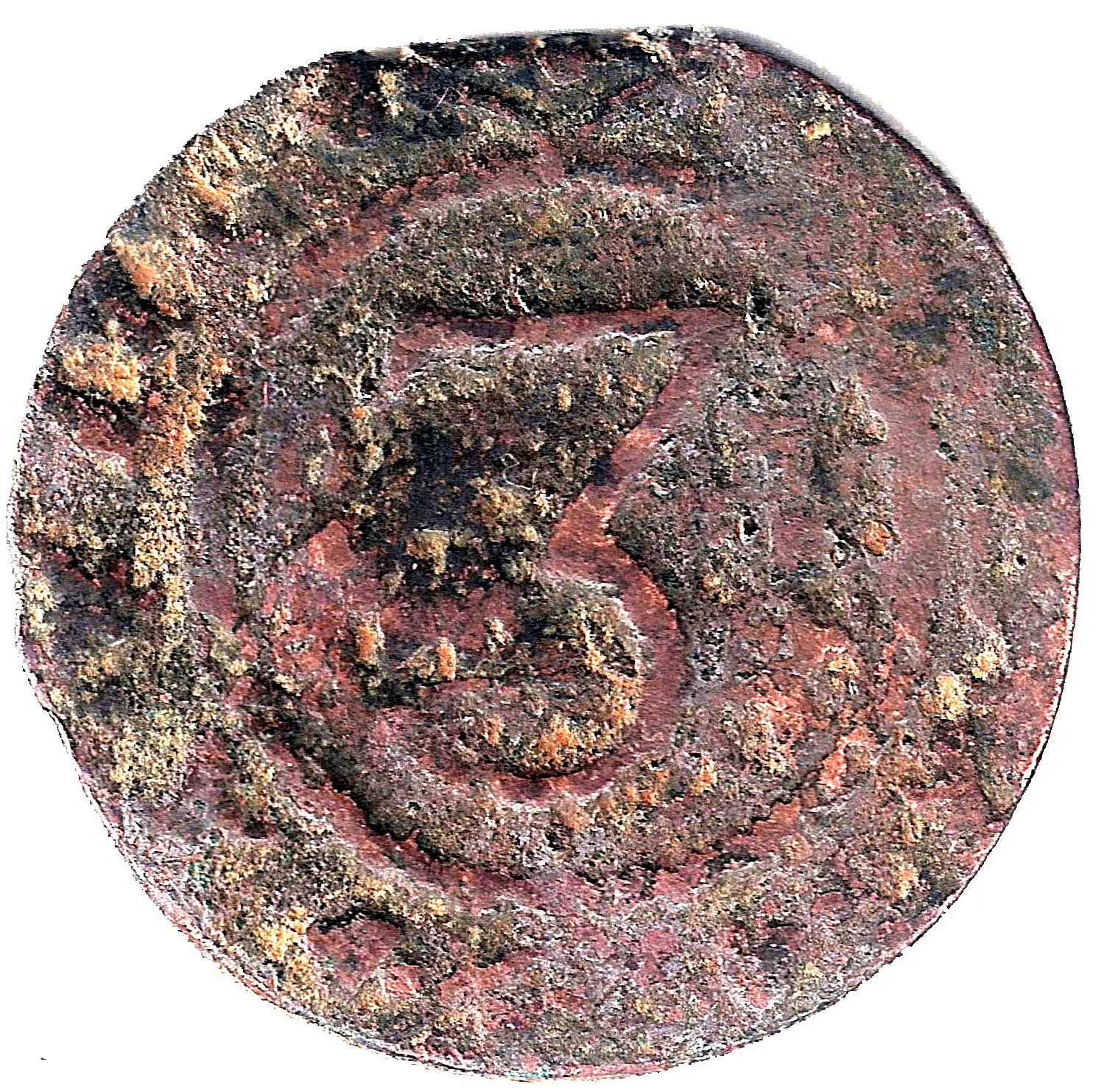
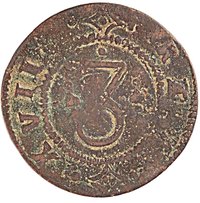
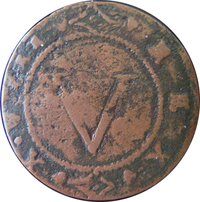
Reverse
Inscription:
XVIII REX
·3·
·3·
Script: Latin
Edge
Mints
| Name | Mark |
|---|---|
| Imprensa Nacional - Casa da Moeda | — |
Mintings
| Year | Mint Mark | Mintage | Quality | Collection |
|---|---|---|---|---|
| — | — | — |
Historical background
In 1645, Portugal was embroiled in the Portuguese Restoration War (1640-1668), fighting to secure its independence from the Spanish Habsburg crown. This prolonged conflict created a severe fiscal crisis for the fledgling monarchy of King John IV. The war effort demanded enormous expenditures for armies, fortifications, and diplomacy, draining the state treasury and leading to desperate financial measures. This context of wartime survival fundamentally shaped all monetary policy and currency conditions.
The currency system itself was in a state of strain and transition. Portugal used a bimetallic system based on the real (plural réis), with gold cruzados and silver tostões as higher denominations. However, the crown repeatedly resorted to debasement—reducing the precious metal content in coins—to generate immediate revenue. This practice, combined with the influx of lower-quality Spanish coinage from the prior period of union and the variable quality of coins from Portugal's global empire, led to a chaotic circulation. The value of coins increasingly depended on their weight and actual metal content rather than their face value, causing confusion in trade and market instability.
Consequently, 1645 fell within a period of significant monetary inflation and economic hardship. The government's attempts to manage the situation, including calling in old coinage for reminting at lower standards, often eroded public trust. While Brazilian sugar revenues provided a crucial lifeline, they were not yet sufficient to stabilize the currency. Thus, the monetary landscape was characterized by a scarcity of good coin, a proliferation of debased and foreign currency, and rising prices, all of which burdened the Portuguese economy as it struggled to fund its fight for national sovereignty.
The currency system itself was in a state of strain and transition. Portugal used a bimetallic system based on the real (plural réis), with gold cruzados and silver tostões as higher denominations. However, the crown repeatedly resorted to debasement—reducing the precious metal content in coins—to generate immediate revenue. This practice, combined with the influx of lower-quality Spanish coinage from the prior period of union and the variable quality of coins from Portugal's global empire, led to a chaotic circulation. The value of coins increasingly depended on their weight and actual metal content rather than their face value, causing confusion in trade and market instability.
Consequently, 1645 fell within a period of significant monetary inflation and economic hardship. The government's attempts to manage the situation, including calling in old coinage for reminting at lower standards, often eroded public trust. While Brazilian sugar revenues provided a crucial lifeline, they were not yet sufficient to stabilize the currency. Thus, the monetary landscape was characterized by a scarcity of good coin, a proliferation of debased and foreign currency, and rising prices, all of which burdened the Portuguese economy as it struggled to fund its fight for national sovereignty.
💎 Extremely Rare