

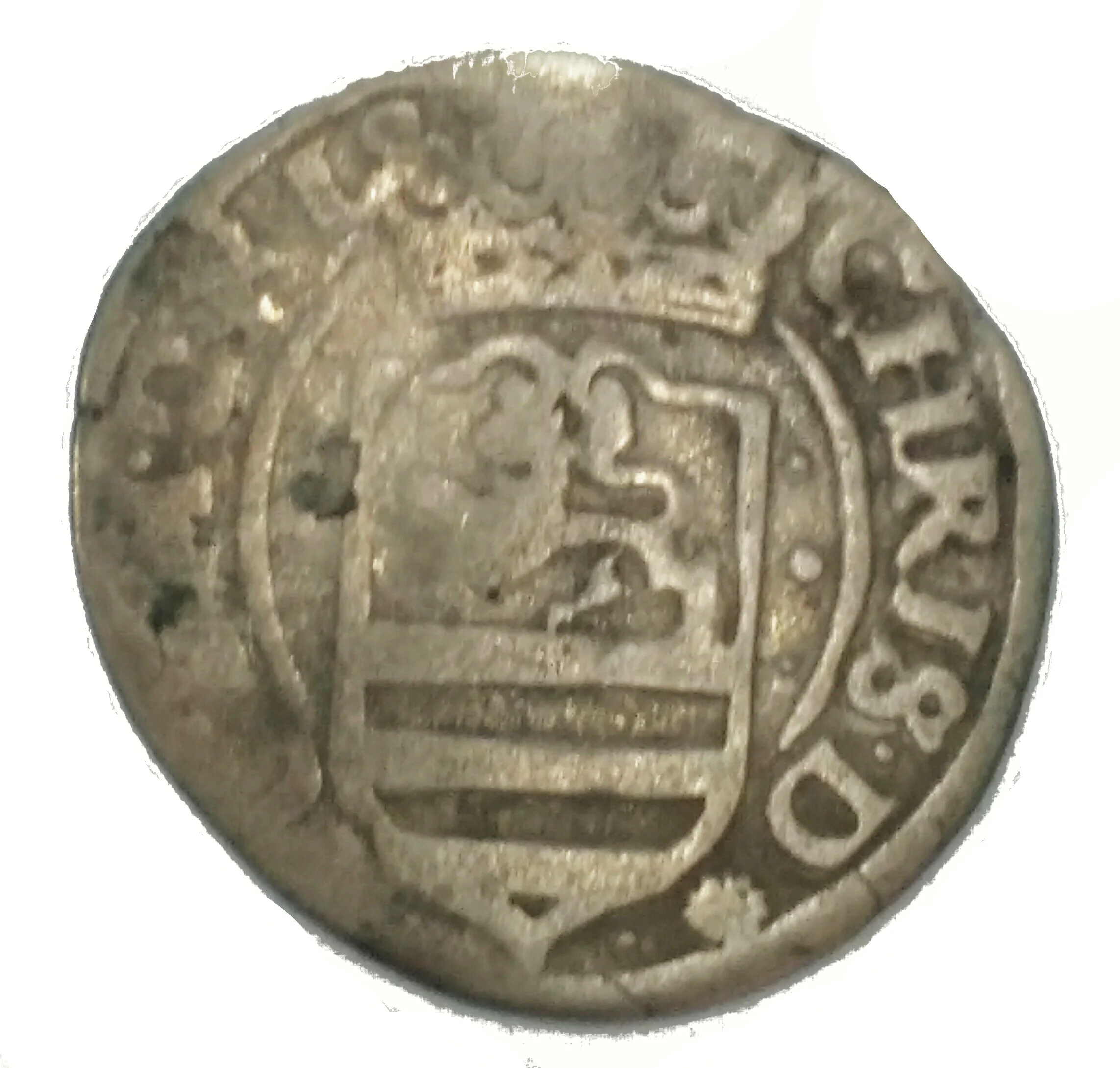
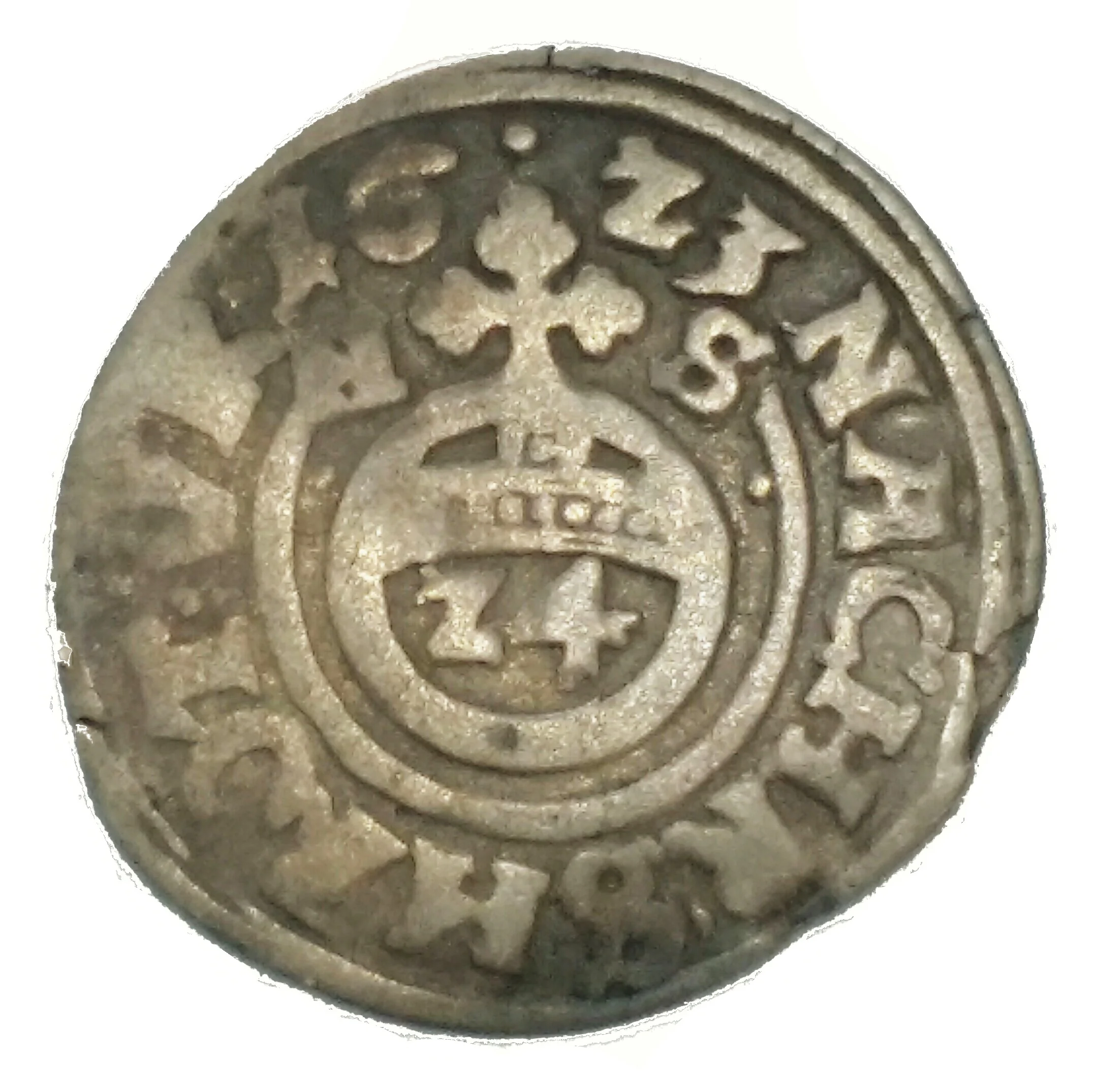
1 Groschen – Brunswick-Lüneburg-Celle
Germany
Context
Years: 1622–1633
Country: Germany 
Issuer: Brunswick-Lüneburg-Celle
Ruler: Christian
Currency:
Subdivision: 1 Groschen = 1⁄24 Thaler
Demonetized: Yes
Material
References
KM: #Click to copy to clipboard55
Numista: #194724
Value
Bullion value: $8.69
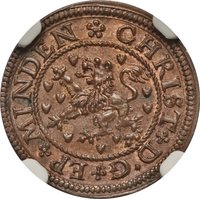
Obverse
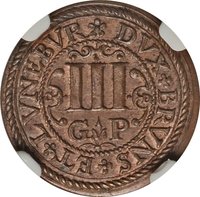
Reverse
Edge
Mints
| Name | Mark |
|---|---|
| Clausthal | — |
Mintings
| Year | Mint Mark | Mintage | Quality | Collection |
|---|---|---|---|---|
| 1622 | — | — | ||
| 1623 | — | — | ||
| 1624 | — | — | ||
| 1628 | — | — | ||
| 1629 | — | — | ||
| 1631 | — | — | ||
| 1632 | — | — | ||
| 1633 | — | — |
Historical background
In 1622, the Duchy of Brunswick-Lüneburg, specifically the Celle line under Duke Christian the Elder, was engulfed in the monetary chaos of the early Thirty Years' War. The region, like much of the Holy Roman Empire, suffered from the rampant debasement of coinage known as Kipper- und Wipperzeit. Princes and mint operators were melting down good, high-value coins, re-minting them with reduced precious metal content, and pocketing the profit, flooding the economy with unstable, inferior currency. This created a vicious cycle of inflation, loss of public trust, and economic disruption, as the intrinsic value of coins diverged wildly from their face value.
Duke Christian faced severe practical pressures. The need to finance military contributions to the Protestant Union and defend his territory forced extraordinary expenditures. Simultaneously, he was in direct competition with neighboring rulers and opportunistic mint masters who were debasing currency, drawing good money out of his duchy. His own mints, notably in Celle and nearby Harburg, actively participated in these practices to generate quick revenue, despite the long-term economic damage. The situation was a tragic necessity of war finance, where preserving state security in the short term undermined economic stability.
The consequences were dire for the populace. Prices for essential goods soared as sellers demanded payment in older, full-weight coins or increased quantities of the new debased ones. Wages failed to keep pace, leading to widespread impoverishment and social hardship. While imperial ordinances condemned the debasement, enforcement was impossible amidst the war. Thus, in 1622, Brunswick-Lüneburg-Celle was both a perpetrator and a victim of a monetary crisis that eroded its economic foundations, demonstrating how the fiscal demands of war could destabilize an entire regional monetary system.
Duke Christian faced severe practical pressures. The need to finance military contributions to the Protestant Union and defend his territory forced extraordinary expenditures. Simultaneously, he was in direct competition with neighboring rulers and opportunistic mint masters who were debasing currency, drawing good money out of his duchy. His own mints, notably in Celle and nearby Harburg, actively participated in these practices to generate quick revenue, despite the long-term economic damage. The situation was a tragic necessity of war finance, where preserving state security in the short term undermined economic stability.
The consequences were dire for the populace. Prices for essential goods soared as sellers demanded payment in older, full-weight coins or increased quantities of the new debased ones. Wages failed to keep pace, leading to widespread impoverishment and social hardship. While imperial ordinances condemned the debasement, enforcement was impossible amidst the war. Thus, in 1622, Brunswick-Lüneburg-Celle was both a perpetrator and a victim of a monetary crisis that eroded its economic foundations, demonstrating how the fiscal demands of war could destabilize an entire regional monetary system.
✨ Legendary