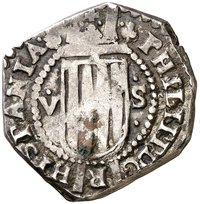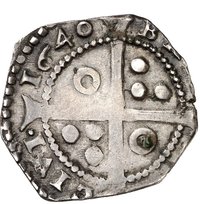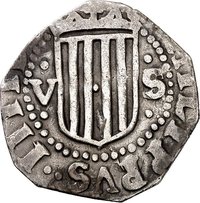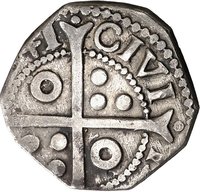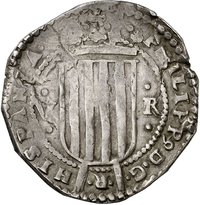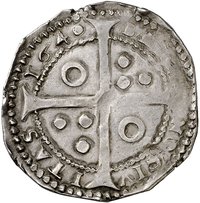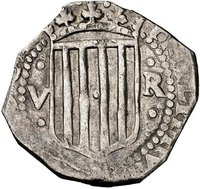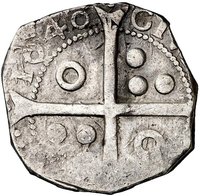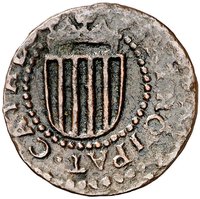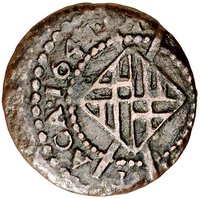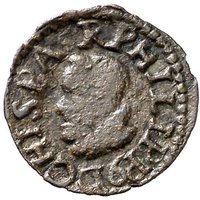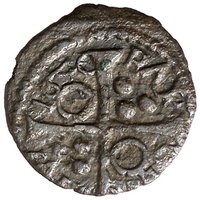
In 1640, the Principality of Catalonia was embroiled in the
Revolt of the Catalans (or
Guerra dels Segadors), a major uprising against the Crown of Castile. This conflict was the explosive culmination of decades of political and fiscal tension, deeply intertwined with Spain's involvement in the
Thirty Years' War. The financial demands of the war, particularly to sustain the Spanish army fighting France, fell heavily on Catalonia. Madrid, under the Count-Duke of Olivares, sought to centralize resources and impose new taxes, violating Catalan constitutional laws (
Constitucions) that granted the local
Corts (parliament) control over taxation and troop billeting.
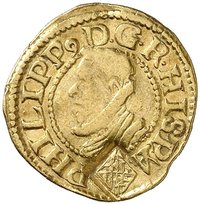
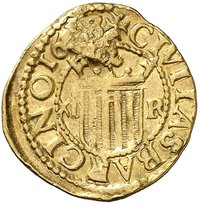
The immediate currency situation was one of
severe crisis and duality. Officially, Catalonia used the Spanish monetary system based on the
lliura (pound),
sou, and
diners. However, the prolonged presence of royal troops, who were often unpaid, led to widespread
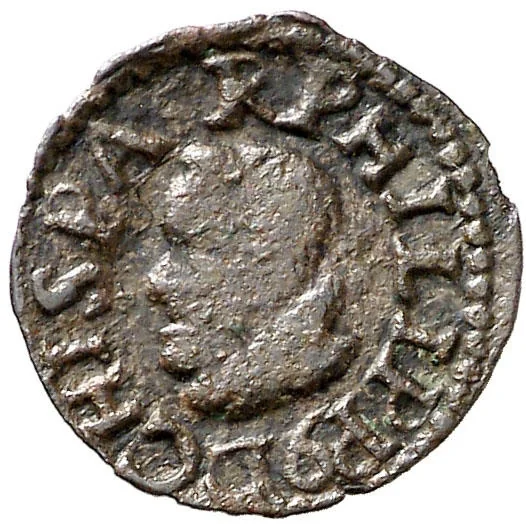
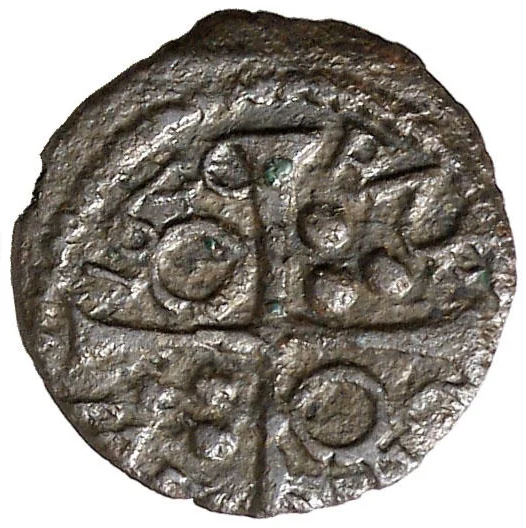
debasement and counterfeiting. Soldiers and their camp followers flooded the principality with low-quality
vellón (copper) coinage, causing rampant inflation and a collapse in public trust in the currency. This monetary chaos crippled local commerce and exacerbated the already dire economic conditions for the peasantry and urban poor.
Furthermore, the political break with Madrid led to a
deliberate monetary shift. In January 1641, after placing themselves under French protection, the Catalan authorities officially adopted the French currency system—the
lliura,
sol, and
diners of France—to align with their new ally and symbolically reject Castilian authority. This formal change, however, did not instantly resolve the underlying chaos. The period was thus characterized by a fractured monetary landscape: a mix of debased Spanish coins, new French issues, and various counterfeits, all circulating amidst war and social upheaval, reflecting Catalonia's desperate and contested fight for survival.