

1 Denier – Hungary
Hungary
Context
Years: 1761–1766
Issuer: Hungary 
Ruler: Maria Theresa
Currency:
(1754—1857)
Demonetized: Yes
Total mintage: 14,242,000
Material
References
KM: #Click to copy to clipboard375
Numista: #19158
Obverse
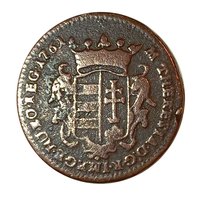
Description:
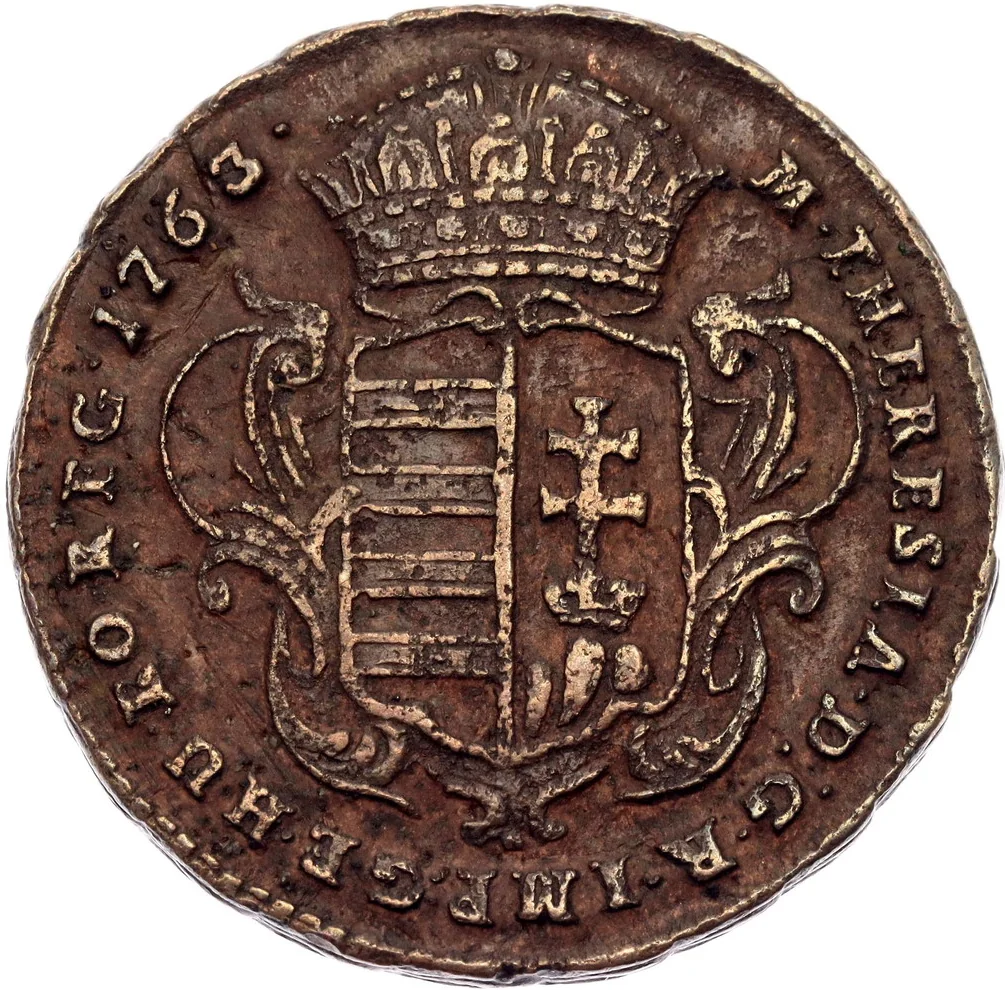
Arms in cartouche; closed crown, no mintmark.
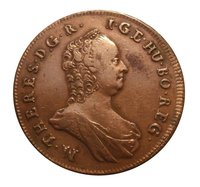
Inscription:
M · THERESIA · D : G · R · IMP · GE · HU · BO · REG · 1765 ·
Script: Latin
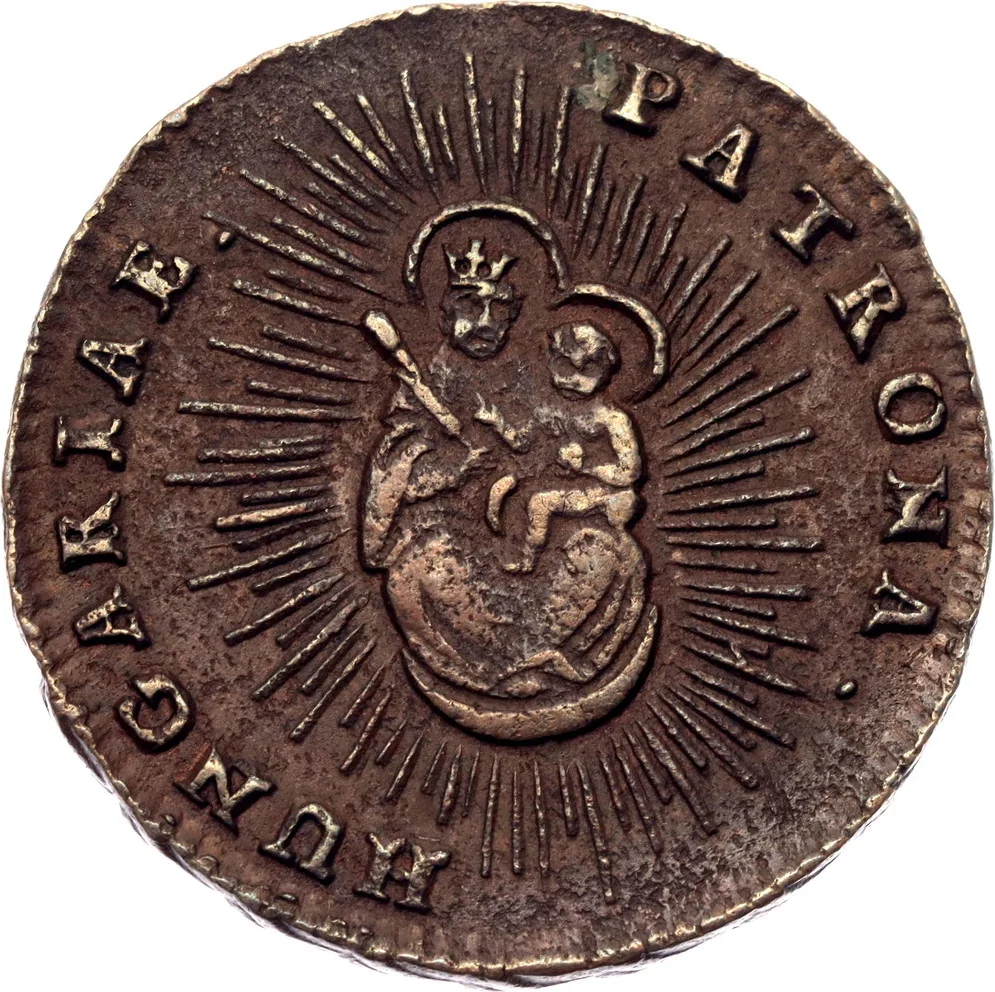
Reverse
Edge
Mintings
| Year | Mint Mark | Mintage | Quality | Collection |
|---|---|---|---|---|
| 1761 | — | — | ||
| 1763 | — | 14,179,000 | ||
| 1765 | — | — | ||
| 1766 | — | 63,000 |
Historical background
In 1761, the currency situation in the Habsburg Monarchy, which included Hungary, was characterized by the lingering effects of the costly Seven Years' War (1756-1763). The state treasury in Vienna was under severe strain from massive military expenditures, leading to a chronic shortage of silver, the basis for high-value coinage. This resulted in the continued circulation of debased and overvalued coins, alongside a proliferation of various older domestic and foreign currencies, creating a complex and unstable monetary environment. The primary unit, the Conventionsthaler (or konvenciós forint), established in 1754, was meant to standardize the coinage, but the war pressures undermined its integrity in practice.
Within Hungary specifically, the monetary system operated under the Viennese central administration but retained some traditional elements. The Hungarian Diet had historically fought for the right to mint coins within the kingdom, a privilege reaffirmed in the 1750s, though production was limited. Alongside the official Conventionsthaler, the older Hungarian gold forint and silver tallér still circulated, as did small-denomination copper and billon coins essential for daily trade. A significant problem was the widespread use of underweight and clipped coins, as well as the circulation of foreign specie, particularly from neighboring states like Poland and the Ottoman Empire, which further complicated commerce and exchange rates.
The year 1761 fell within a period of managed crisis, where the state avoided a complete currency collapse but could not resolve the underlying fragility. The authorities, led by Empress Maria Theresa and her chancellor Wenzel Anton Kaunitz, were primarily focused on funding the war effort, often resorting to short-term financial expedients rather than substantive monetary reform. Consequently, while the official currency system was nominally based on the Conventionsthaler standard, the reality for merchants and peasants in Hungary was a confusing mix of coins of uncertain value, fostering inflation, hindering trade, and placing a heavy, indirect burden on the economy that would only be addressed in a more comprehensive reform after the war's conclusion.
Within Hungary specifically, the monetary system operated under the Viennese central administration but retained some traditional elements. The Hungarian Diet had historically fought for the right to mint coins within the kingdom, a privilege reaffirmed in the 1750s, though production was limited. Alongside the official Conventionsthaler, the older Hungarian gold forint and silver tallér still circulated, as did small-denomination copper and billon coins essential for daily trade. A significant problem was the widespread use of underweight and clipped coins, as well as the circulation of foreign specie, particularly from neighboring states like Poland and the Ottoman Empire, which further complicated commerce and exchange rates.
The year 1761 fell within a period of managed crisis, where the state avoided a complete currency collapse but could not resolve the underlying fragility. The authorities, led by Empress Maria Theresa and her chancellor Wenzel Anton Kaunitz, were primarily focused on funding the war effort, often resorting to short-term financial expedients rather than substantive monetary reform. Consequently, while the official currency system was nominally based on the Conventionsthaler standard, the reality for merchants and peasants in Hungary was a confusing mix of coins of uncertain value, fostering inflation, hindering trade, and placing a heavy, indirect burden on the economy that would only be addressed in a more comprehensive reform after the war's conclusion.
🌱 Fairly Common