

1 poltura – Hungary
Add to wishlist
Hungary
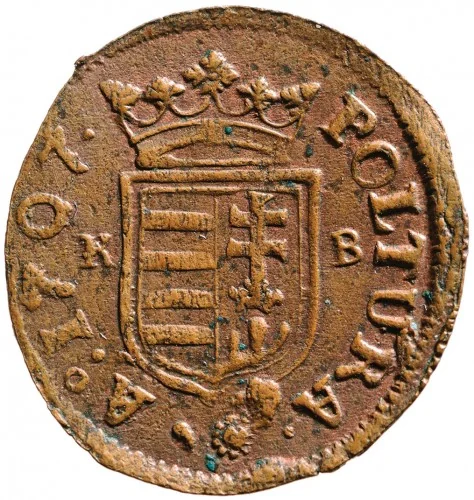
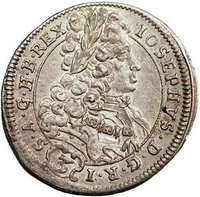
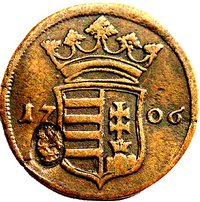
Obverse
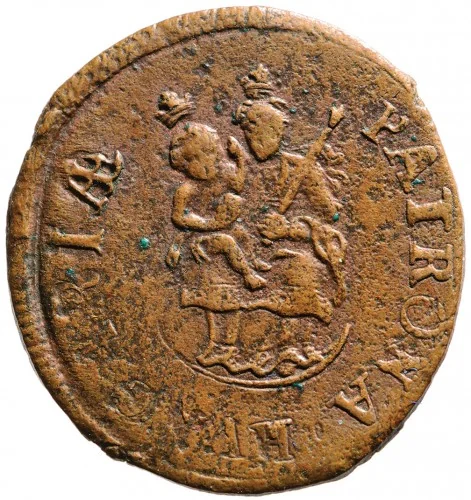
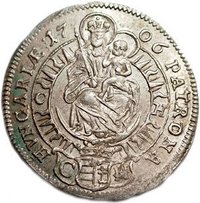
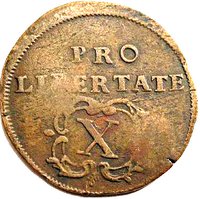
Reverse
Description:
Madonna and Child on Madonna's right arm, no pearl circlet.
Inscription:
PATRONA · HUNGARIÆ ·
Script: Latin
Edge
Plain
Mintings
| Year | Mint Mark | Mintage | Quality | Collection |
|---|---|---|---|---|
| 1705 | C | — | ||
| 1707 | K | — |
Historical background
In 1705, Hungary’s currency situation was chaotic and deeply entangled in the ongoing War of Independence (1703-1711) against Habsburg rule. The conflict, led by Prince Ferenc Rákóczi II, created a fractured monetary landscape. The Habsburg authorities in the territories they still controlled continued to mint and use imperial coins, while Rákóczi’s Kuruc forces, lacking a formal mint and sufficient precious metals, resorted to issuing emergency coinage and paper money known as “Liberation Money” (szabadságpénz). This hastily produced currency, often made from debased metals like copper or tin, had little intrinsic value and circulated primarily based on the authority of the rebellion.
The economic foundation was further strained by decades of preceding turmoil, including the Ottoman occupation of large parts of the country and the preceding anti-Habsburg uprisings. This legacy had already degraded the coinage in circulation. The war itself disrupted mining, trade, and tax collection, severing the normal inflows of silver and gold needed for stable coinage. Consequently, both sides engaged in currency debasement to finance military campaigns, leading to rampant inflation and a severe loss of public trust in any money presented to them. Multiple currencies—Habsburg, Ottoman, Polish, and various older Hungarian issues—circulated simultaneously, with their values fluctuating based on political and military fortunes.
This monetary anarchy severely hampered the Kuruc state’s economy and international credibility. While Rákóczi’s administration attempted to regulate prices and exchange rates to control inflation, these measures were largely ineffective without stable coinage. The unreliable currency complicated paying soldiers and procuring supplies, becoming a significant strategic weakness. Thus, in 1705, Hungary’s currency was not merely an economic issue but a critical symbol and instrument of the political struggle, reflecting the fragmented sovereignty and dire financial realities of a nation at war with itself and its emperor.
The economic foundation was further strained by decades of preceding turmoil, including the Ottoman occupation of large parts of the country and the preceding anti-Habsburg uprisings. This legacy had already degraded the coinage in circulation. The war itself disrupted mining, trade, and tax collection, severing the normal inflows of silver and gold needed for stable coinage. Consequently, both sides engaged in currency debasement to finance military campaigns, leading to rampant inflation and a severe loss of public trust in any money presented to them. Multiple currencies—Habsburg, Ottoman, Polish, and various older Hungarian issues—circulated simultaneously, with their values fluctuating based on political and military fortunes.
This monetary anarchy severely hampered the Kuruc state’s economy and international credibility. While Rákóczi’s administration attempted to regulate prices and exchange rates to control inflation, these measures were largely ineffective without stable coinage. The unreliable currency complicated paying soldiers and procuring supplies, becoming a significant strategic weakness. Thus, in 1705, Hungary’s currency was not merely an economic issue but a critical symbol and instrument of the political struggle, reflecting the fragmented sovereignty and dire financial realities of a nation at war with itself and its emperor.
Series: 1705 Hungary circulation coins

💎 Extremely Rare