

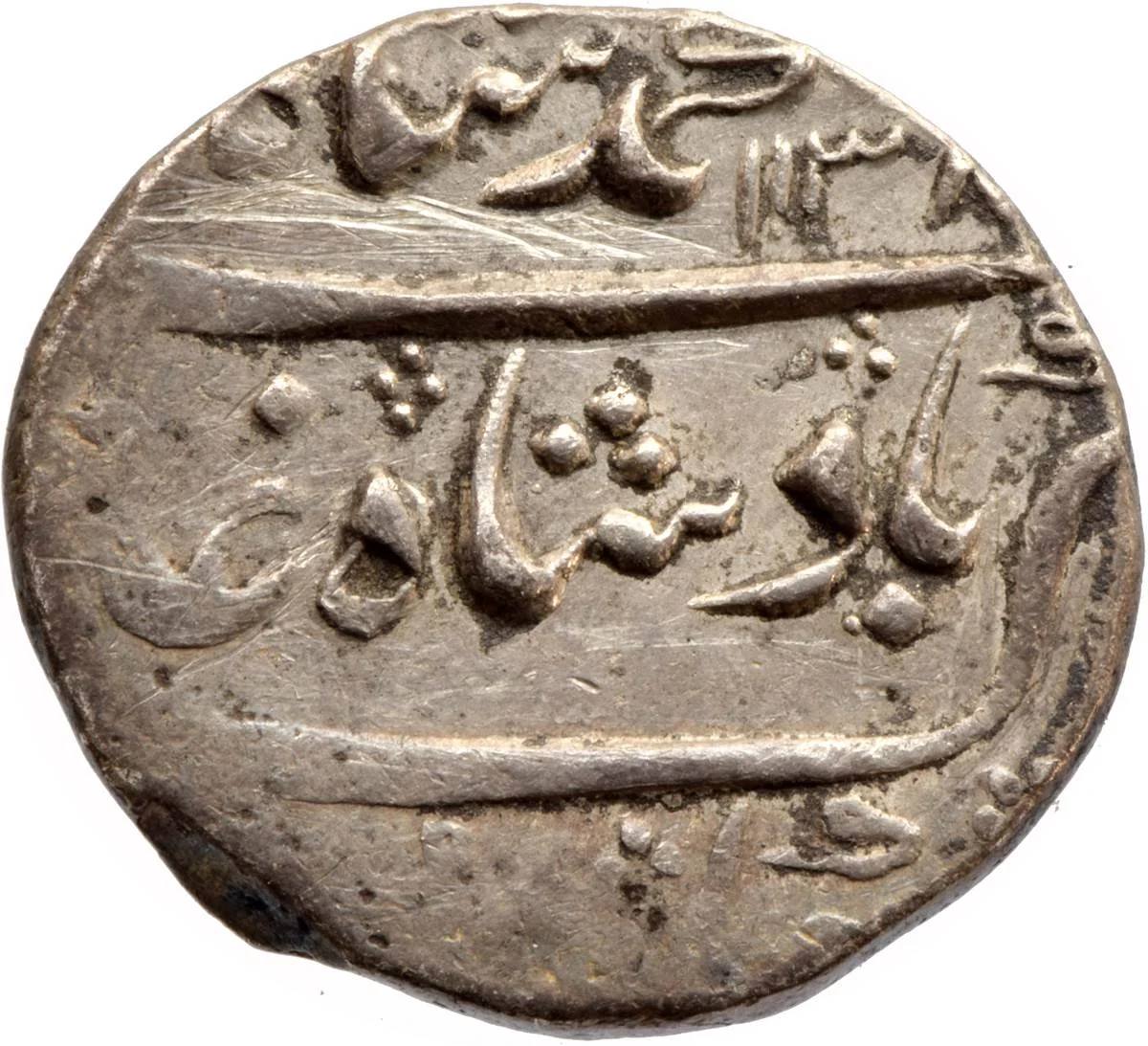
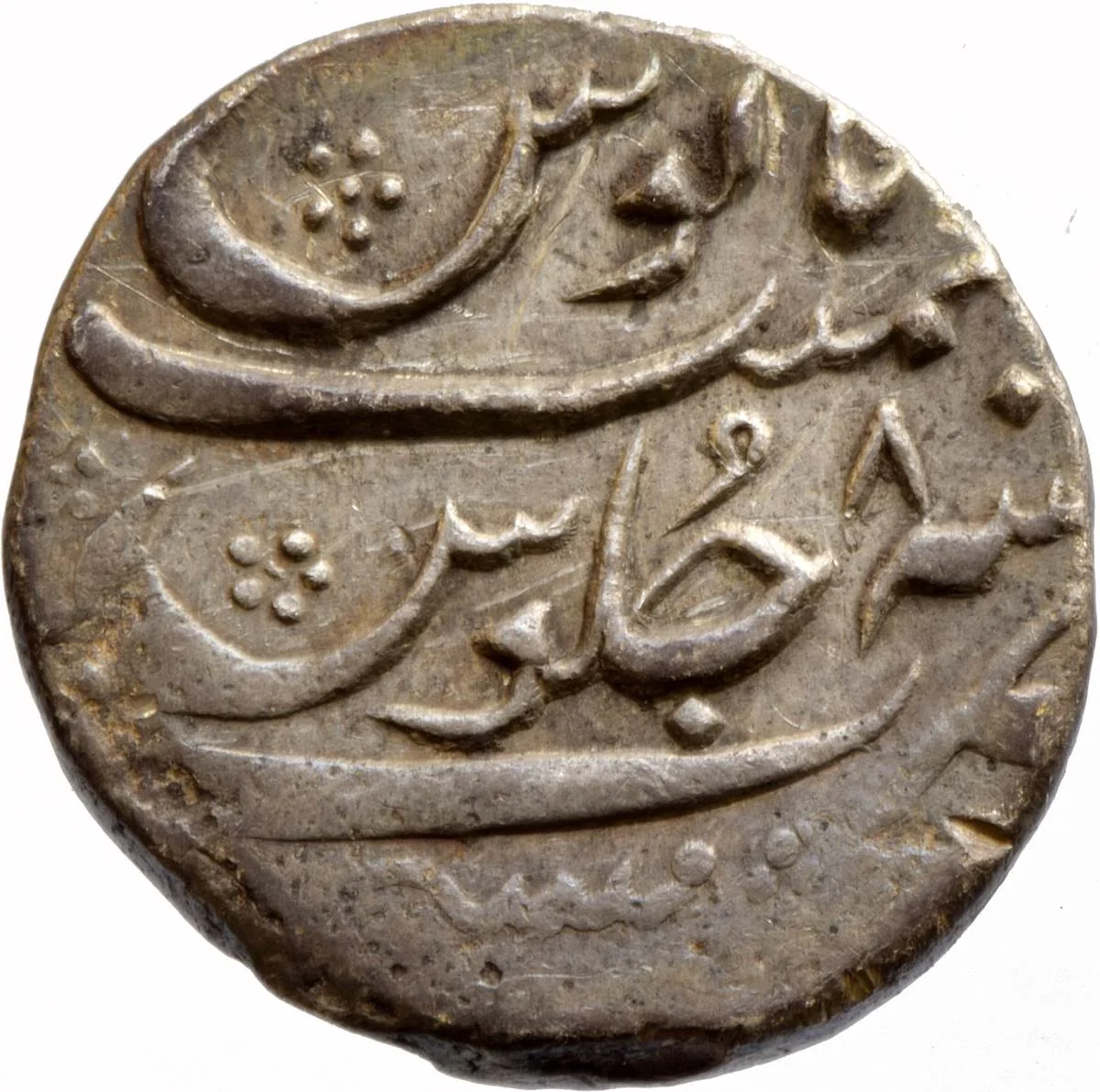
1 Rupee – Mughal Empire
India
Context
Year: 1138
Country: India 
Issuer: Mughal Empire
Ruler: Muhammad Shah
Currency:
(1540—1842)
Demonetized: Yes
Material
Weight: 11.44 g
Silver weight: 11.44 g
Shape: Irregular round
Composition: Silver
Magnetic: No
Technique: Hammered
References
KM: #Click to copy to clipboard436.45
Numista: #188190
Value
Bullion value: $32.52
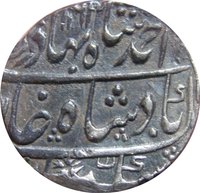
Obverse
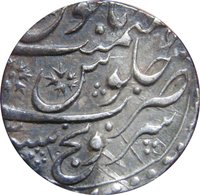
Reverse
Edge
Plain
Mintings
| Year | Mint Mark | Mintage | Quality | Collection |
|---|---|---|---|---|
| — | — | — | ||
| 1138 | 8 | — |
Historical background
The year 1138 AH (approximately 1725-1726 CE) in the Mughal Empire was a period of significant monetary instability and transition, reflecting the broader political decline of the central authority. While the empire still nominally functioned under Emperor Muhammad Shah (r. 1719-1748), effective power had fractured. Regional nawabs and governors, such as those in Bengal, Awadh, and Hyderabad, were increasingly autonomous, striking their own coins and controlling provincial treasuries, which eroded the uniformity of the imperial currency system.
The standard currency remained the silver rupee and the gold mohur, but their weight, purity, and value could vary considerably between regions. Furthermore, the empire faced a severe shortage of silver, a critical problem for a currency system heavily reliant on silver coinage. This scarcity was caused by a combination of factors: massive outflows of bullion to pay for imports, dwindling output from Mughal mines, and the hoarding of precious metals during a time of growing insecurity. The influx of European trading companies, like the English East India Company, also began to introduce foreign coins (such as Spanish dollars) into the economy, further complicating the monetary landscape.
Consequently, the currency situation was marked by unpredictability and debasement. To meet fiscal demands, some provincial mints issued coins with reduced silver content, leading to a loss of public trust in the currency's intrinsic value. This monetary confusion hampered trade and revenue collection, accelerating the empire's economic fragmentation. The year 1138 AH thus represents a point where the once-robust and standardized Mughal monetary system was becoming a patchwork of disparate and often unreliable currencies, mirroring the political disintegration of the empire itself.
The standard currency remained the silver rupee and the gold mohur, but their weight, purity, and value could vary considerably between regions. Furthermore, the empire faced a severe shortage of silver, a critical problem for a currency system heavily reliant on silver coinage. This scarcity was caused by a combination of factors: massive outflows of bullion to pay for imports, dwindling output from Mughal mines, and the hoarding of precious metals during a time of growing insecurity. The influx of European trading companies, like the English East India Company, also began to introduce foreign coins (such as Spanish dollars) into the economy, further complicating the monetary landscape.
Consequently, the currency situation was marked by unpredictability and debasement. To meet fiscal demands, some provincial mints issued coins with reduced silver content, leading to a loss of public trust in the currency's intrinsic value. This monetary confusion hampered trade and revenue collection, accelerating the empire's economic fragmentation. The year 1138 AH thus represents a point where the once-robust and standardized Mughal monetary system was becoming a patchwork of disparate and often unreliable currencies, mirroring the political disintegration of the empire itself.
✨ Legendary