

1 Albus – Landgraviate of Hesse-Darmstadt
Context
Years: 1654–1658
Issuer: Landgraviate of Hesse-Darmstadt
Ruler: George II
Currency:
(1568—1805)
Demonetized: Yes
Material
References
KM: #Click to copy to clipboard41
Numista: #185662
Value
Bullion value: $2.69
Obverse
Description:
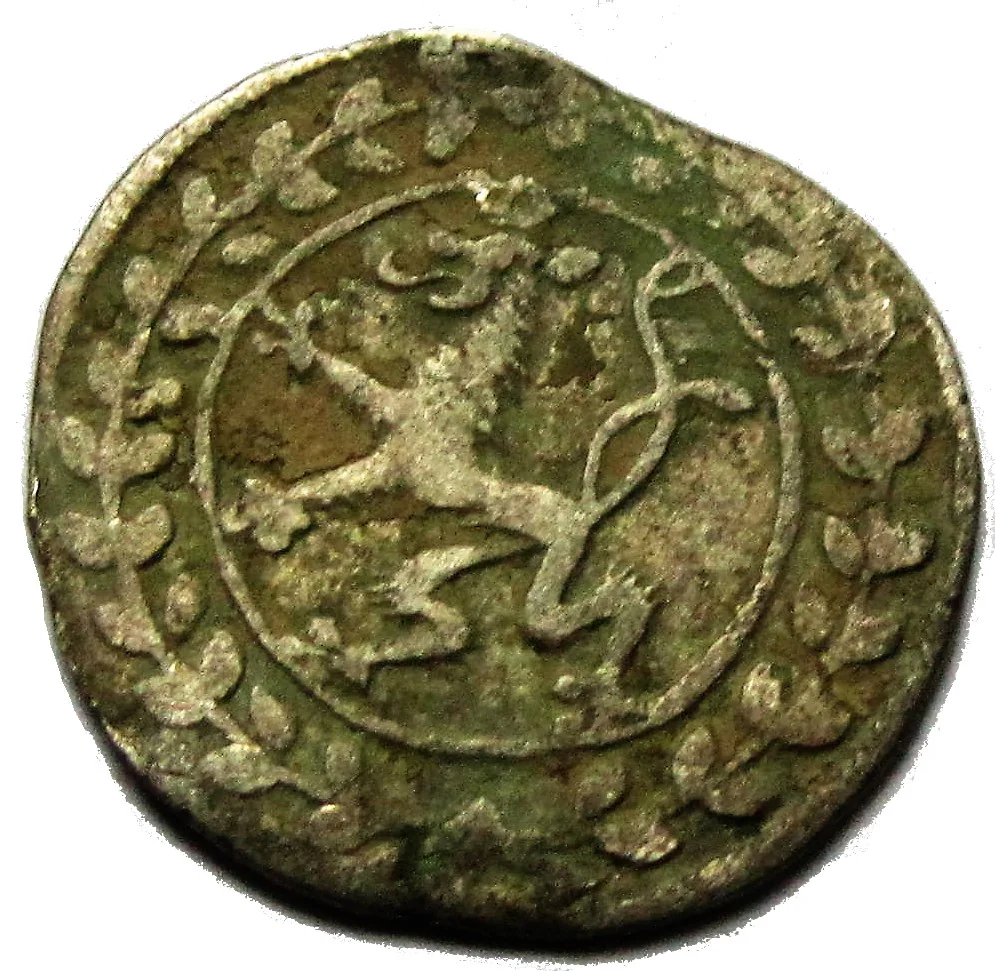
Hessian lion encircled by laurels.
Reverse
Description:
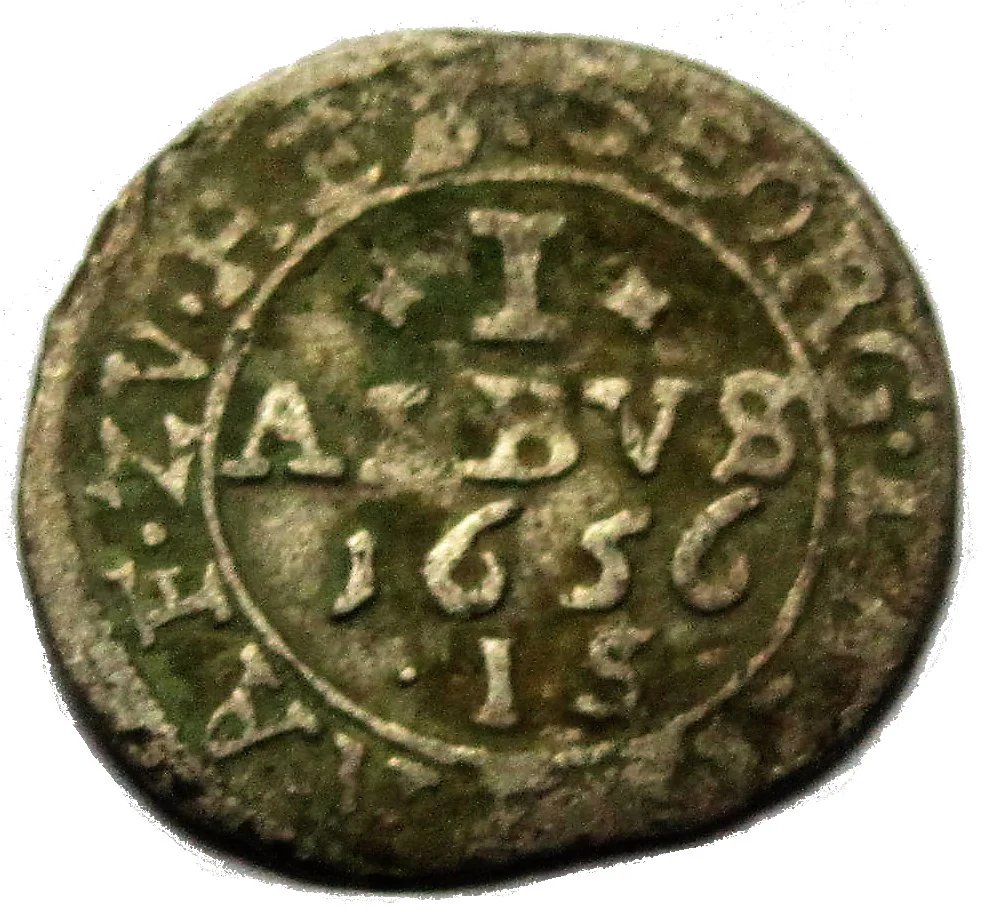
Value and date in legend.
Inscription:
* I *
ALBVS
GEORG. LANDGRAF. ZV. HES.
ALBVS
GEORG. LANDGRAF. ZV. HES.
Edge
Mints
| Name | Mark |
|---|---|
| Darmstadt | — |
Mintings
| Year | Mint Mark | Mintage | Quality | Collection |
|---|---|---|---|---|
| 1654 | — | — | ||
| 1655 | — | — | ||
| 1656 | — | — | ||
| 1656 | SI | — | ||
| 1657 | — | — | ||
| 1658 | — | — |
Historical background
In 1654, the currency situation in the Landgraviate of Hesse-Darmstadt was one of profound complexity and instability, a common legacy of the Thirty Years' War (1618-1648). The war had severely disrupted the regional economy, leading to widespread debasement of coinage. Landgrave George II, while striving to stabilize his territory's finances, contended with a chaotic monetary landscape filled with various circulating coins from neighboring states, imperial cities, and older, degraded issues. This "coinage pluralism" made trade difficult and fostered uncertainty, as the real value of a coin often differed significantly from its face value.
The primary framework for regulation was the Reichsmünzordnung (Imperial Coinage Ordinance), but its standards were widely ignored. In practice, the landgraviate's monetary system was influenced by the regional Kreistag (Circle Diet) of the Upper Rhenish Circle, to which Hesse-Darmstadt belonged. These circles attempted to create Kurantgeld (standard money) agreements among members to standardize specie coins like thalers and guilders. However, the simultaneous circulation of inferior Landmünze (local money) for daily small trade created a dual system, with constant fluctuations in exchange rates between the two tiers causing hardship for common people and complicating state finances.
Facing these challenges, the Darmstadt administration in 1654 was likely engaged in ongoing efforts to control minting, manage debt, and negotiate within the imperial and circle frameworks to restore monetary order. The goal was to assert sovereign control over coinage, ensure a reliable revenue stream from seigniorage, and facilitate economic recovery. However, the power to fully unify and stabilize the currency remained elusive, as the landgraviate remained enmeshed in a fragmented imperial monetary system that would continue to pose problems for over a century.
The primary framework for regulation was the Reichsmünzordnung (Imperial Coinage Ordinance), but its standards were widely ignored. In practice, the landgraviate's monetary system was influenced by the regional Kreistag (Circle Diet) of the Upper Rhenish Circle, to which Hesse-Darmstadt belonged. These circles attempted to create Kurantgeld (standard money) agreements among members to standardize specie coins like thalers and guilders. However, the simultaneous circulation of inferior Landmünze (local money) for daily small trade created a dual system, with constant fluctuations in exchange rates between the two tiers causing hardship for common people and complicating state finances.
Facing these challenges, the Darmstadt administration in 1654 was likely engaged in ongoing efforts to control minting, manage debt, and negotiate within the imperial and circle frameworks to restore monetary order. The goal was to assert sovereign control over coinage, ensure a reliable revenue stream from seigniorage, and facilitate economic recovery. However, the power to fully unify and stabilize the currency remained elusive, as the landgraviate remained enmeshed in a fragmented imperial monetary system that would continue to pose problems for over a century.
💎 Extremely Rare