

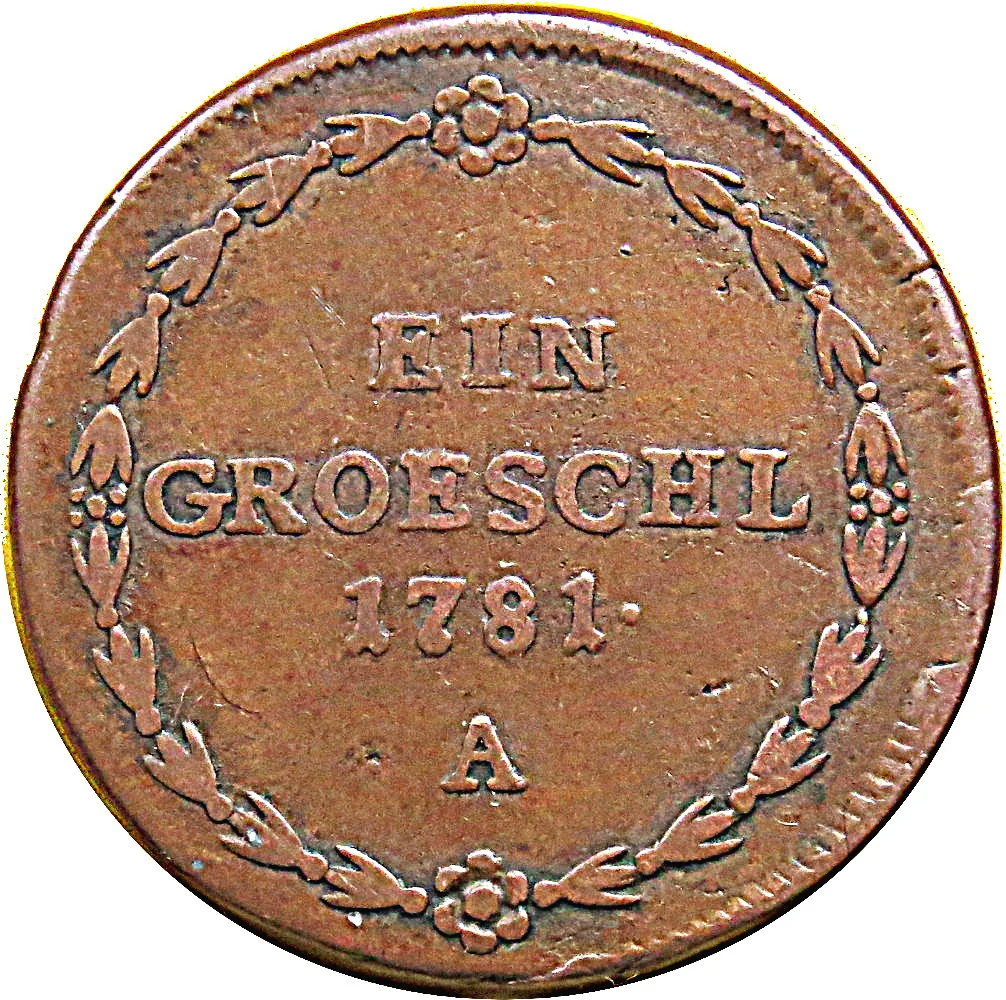
1 Gröschl – Kingdom of Bohemia
Context
Years: 1781–1782
Country: Bohemia
Issuer: Kingdom of Bohemia
Ruler: Joseph II
Currency:
(1754—1857)
Demonetized: Yes
Material
References
KM: #Click to copy to clipboard818
Numista: #18507
Obverse
Description:
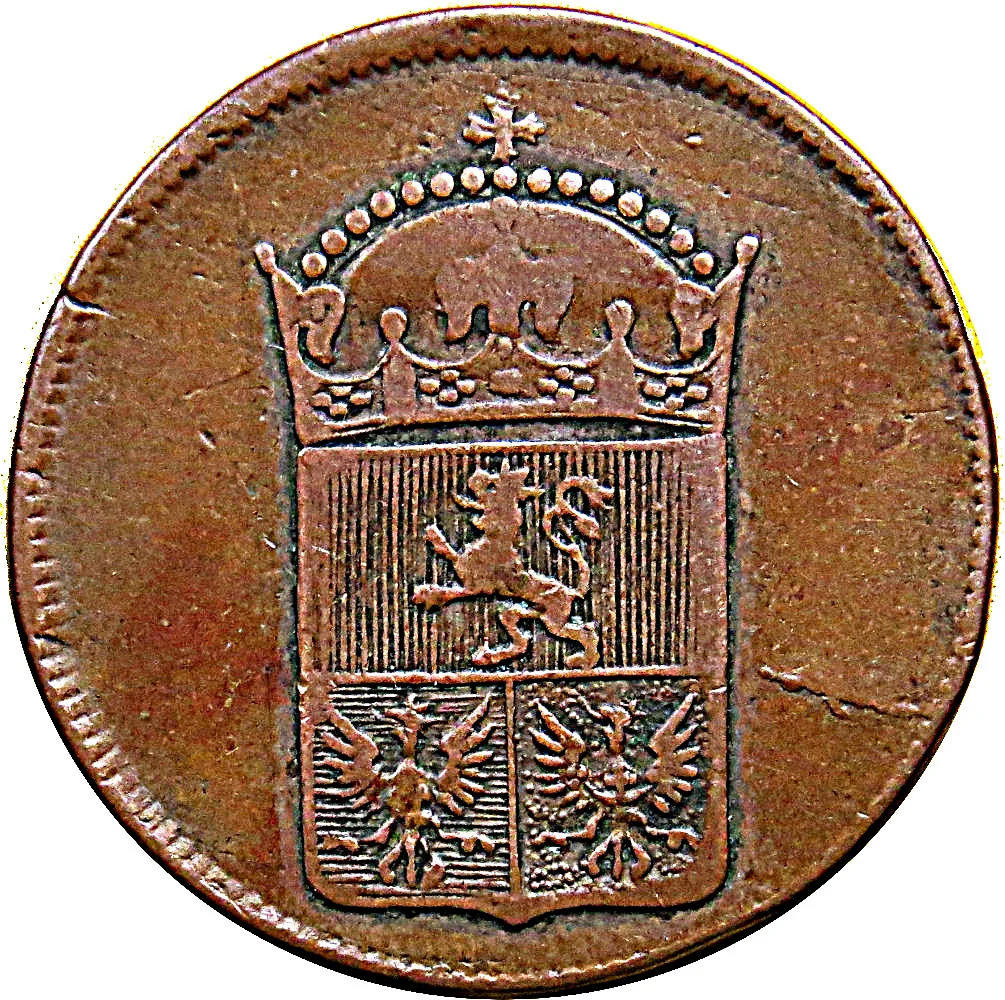
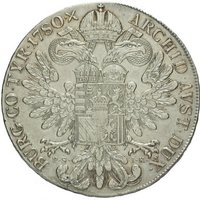
A crown of St. Wenceslas surmounts the arms, featuring Bohemia above Moravia (left) and Silesia (right).
Reverse
Edge
Plain
Mints
| Name | Mark |
|---|---|
| Münze Österreich | A |
Historical background
In 1781, the currency situation in the Kingdom of Bohemia was defined by its integration within the broader Habsburg Monarchy under the reforming rule of Emperor Joseph II. The monetary system was not autonomous; Bohemia used the common currency of the Habsburg lands, which was based on the Conventionsthaler (also known as the Konventionsthaler or Conventionstaler). This large silver coin, established by the monetary convention of 1753, was the standard for large transactions and international trade. It was divided into 2 Gulden (florins), each of which was worth 60 Kreuzer. This structure provided a degree of stability but was subject to the fiscal policies emanating from Vienna.
However, this stability was relative and faced significant pressures. The state finances of the Habsburg Monarchy were strained by the recent costs of the War of the Bavarian Succession (1778-1779) and ongoing military and bureaucratic reforms. To meet expenses, the government had historically resorted to debasement—reducing the silver content in coins—and issuing excessive paper money, known as Bancozettel. While the Conventionsthaler itself was a stable silver coin, the proliferation of lower-quality subsidiary coinage and paper notes created a complex and often confusing monetary environment in everyday Bohemian commerce, leading to occasional distrust and hoarding of full-value silver.
Furthermore, 1781 fell within the pivotal period of Joseph II's radical reforms, including the Edict of Toleration issued that same year. While his policies focused on religious and administrative change, they had indirect monetary consequences. The push for economic liberalization and integration aimed to stimulate trade and industry across the empire, which in turn increased the demand for a reliable and uniform currency. Thus, the currency situation in Bohemia was one of a centralized system grappling with the challenges of war debt, paper money inflation, and the demands of a modernizing state, all set against the backdrop of profound social and political transformation.
However, this stability was relative and faced significant pressures. The state finances of the Habsburg Monarchy were strained by the recent costs of the War of the Bavarian Succession (1778-1779) and ongoing military and bureaucratic reforms. To meet expenses, the government had historically resorted to debasement—reducing the silver content in coins—and issuing excessive paper money, known as Bancozettel. While the Conventionsthaler itself was a stable silver coin, the proliferation of lower-quality subsidiary coinage and paper notes created a complex and often confusing monetary environment in everyday Bohemian commerce, leading to occasional distrust and hoarding of full-value silver.
Furthermore, 1781 fell within the pivotal period of Joseph II's radical reforms, including the Edict of Toleration issued that same year. While his policies focused on religious and administrative change, they had indirect monetary consequences. The push for economic liberalization and integration aimed to stimulate trade and industry across the empire, which in turn increased the demand for a reliable and uniform currency. Thus, the currency situation in Bohemia was one of a centralized system grappling with the challenges of war debt, paper money inflation, and the demands of a modernizing state, all set against the backdrop of profound social and political transformation.
🌱 Fairly Common