

2 Daler SM – Sweden
Sweden
Context
Years: 1711–1713
Issuer: Sweden 
Ruler: Charles XII
Subdivision: 2 Daler SM = ⅔ Riksdaler
Demonetized: Yes
Material
References
KM: #Click to copy to clipboardPM44
Numista: #183671
Obverse
Description:
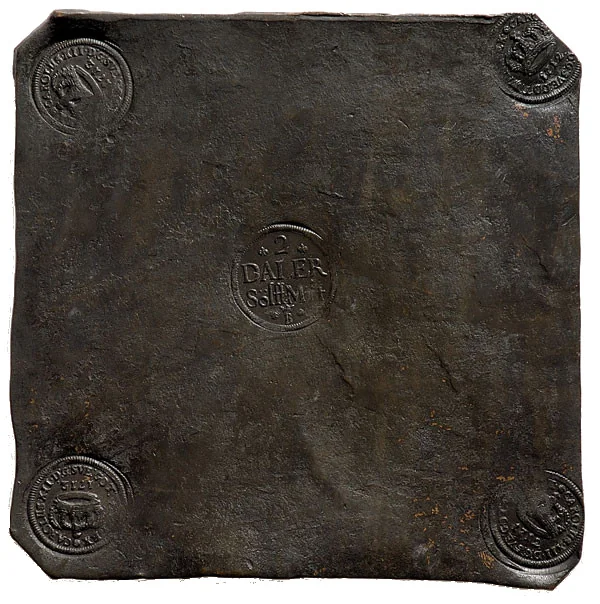
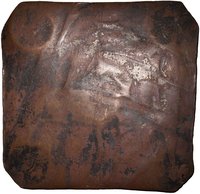
Crown above date in circle. Value over crowned B between roses.
Inscription:
Corner stamps:
CAROLUS·XII·D:G:SVE:GOT:WAN:REX·
1712
Centre stamp:
*2*
DALER
Sölff:Mÿf
*B*
CAROLUS·XII·D:G:SVE:GOT:WAN:REX·
1712
Centre stamp:
*2*
DALER
Sölff:Mÿf
*B*
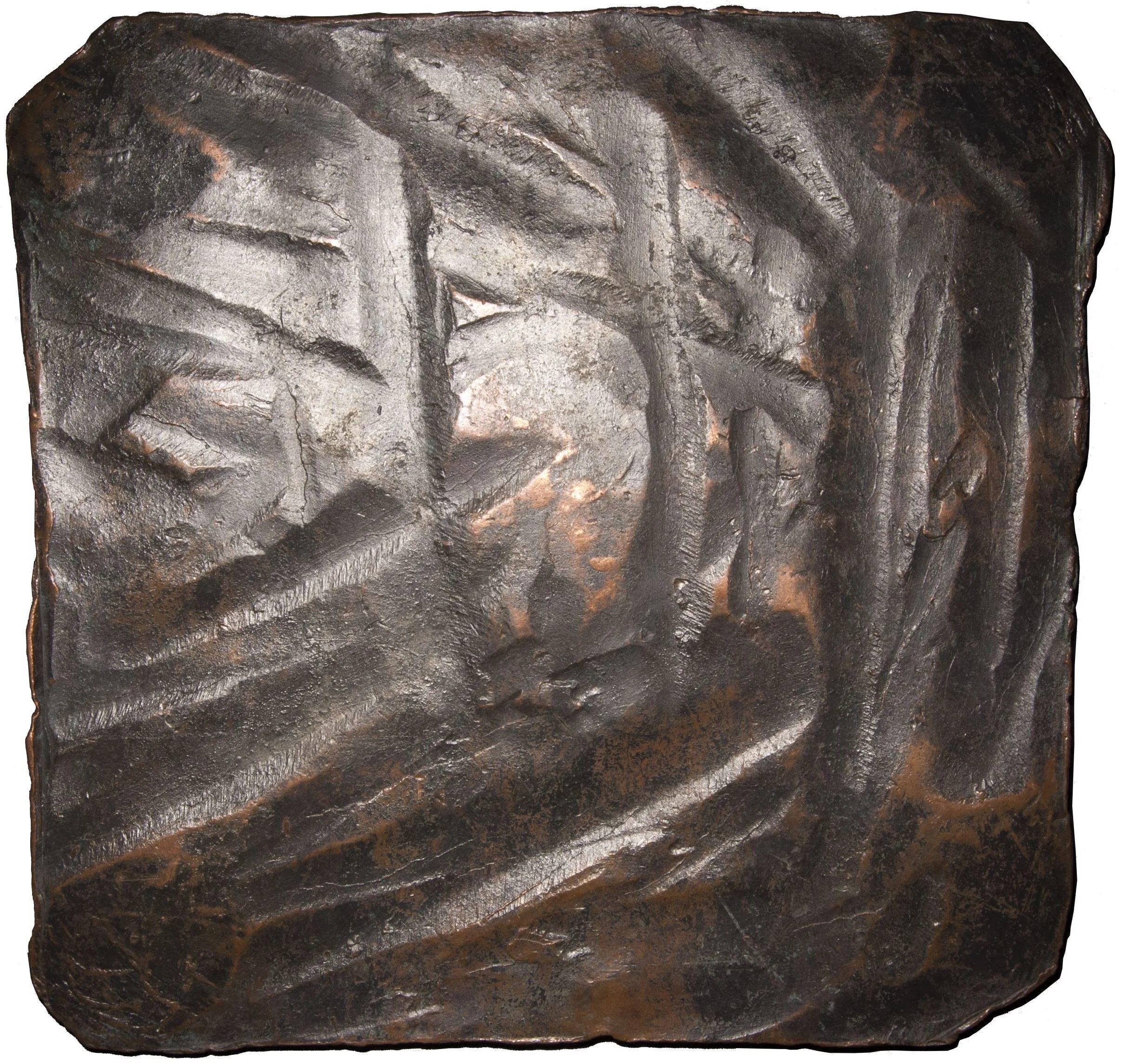
Reverse
Edge
Mints
| Name | Mark |
|---|---|
| Avesta | — |
Mintings
| Year | Mint Mark | Mintage | Quality | Collection |
|---|---|---|---|---|
| 1711 | — | — | ||
| 1712 | — | — | ||
| 1713 | — | — |
Historical background
In 1711, Sweden was embroiled in the Great Northern War (1700–1721), a conflict that had stretched its finances to the breaking point. King Charles XII's prolonged campaigns, particularly the disastrous defeat at Poltava in 1709, had drained the treasury. To fund the ongoing war effort, the Swedish government, under the authority of the Riksdag of the Estates, resorted to the large-scale minting of low-value copper and silver coinage. This was not a new practice, but the scale and debasement intensified dramatically, leading to a severe currency crisis.
The primary instrument of this crisis was the so-called "emergency money" (nödmynt). These coins, minted from 1711 to 1719, contained significantly less precious metal than their face value indicated. For example, the silver daler coins issued were often made from a base alloy, causing their intrinsic worth to plummet. This rapid increase in the money supply, divorced from real economic value, triggered rampant inflation. Prices soared, and public trust in the currency evaporated, creating widespread economic hardship and market confusion.
Consequently, Sweden operated with a dual and chaotic monetary system. Older, full-value coins from before the war were hoarded by the populace, disappearing from circulation (Gresham's Law in action), while the new, inferior emergency money flooded the market. The government attempted to legislate value, but the disparity between official and market rates grew. This period stands as one of the most severe monetary debasements in Swedish history, a direct result of the fiscal desperation of a war-weary state, and it laid the groundwork for future monetary reforms, including the establishment of the Riksens Ständers Bank (precursor to the Riksbank) in 1719 to restore stability.
The primary instrument of this crisis was the so-called "emergency money" (nödmynt). These coins, minted from 1711 to 1719, contained significantly less precious metal than their face value indicated. For example, the silver daler coins issued were often made from a base alloy, causing their intrinsic worth to plummet. This rapid increase in the money supply, divorced from real economic value, triggered rampant inflation. Prices soared, and public trust in the currency evaporated, creating widespread economic hardship and market confusion.
Consequently, Sweden operated with a dual and chaotic monetary system. Older, full-value coins from before the war were hoarded by the populace, disappearing from circulation (Gresham's Law in action), while the new, inferior emergency money flooded the market. The government attempted to legislate value, but the disparity between official and market rates grew. This period stands as one of the most severe monetary debasements in Swedish history, a direct result of the fiscal desperation of a war-weary state, and it laid the groundwork for future monetary reforms, including the establishment of the Riksens Ständers Bank (precursor to the Riksbank) in 1719 to restore stability.
✨ Legendary