

2 Daler SM – Sweden
Sweden
Context
Years: 1660–1691
Issuer: Sweden 
Ruler: Charles XI
Subdivision: 2 Daler SM = ⅔ Riksdaler
Demonetized: Yes
Material
References
KM: #Click to copy to clipboardPM18
Numista: #182438
Obverse
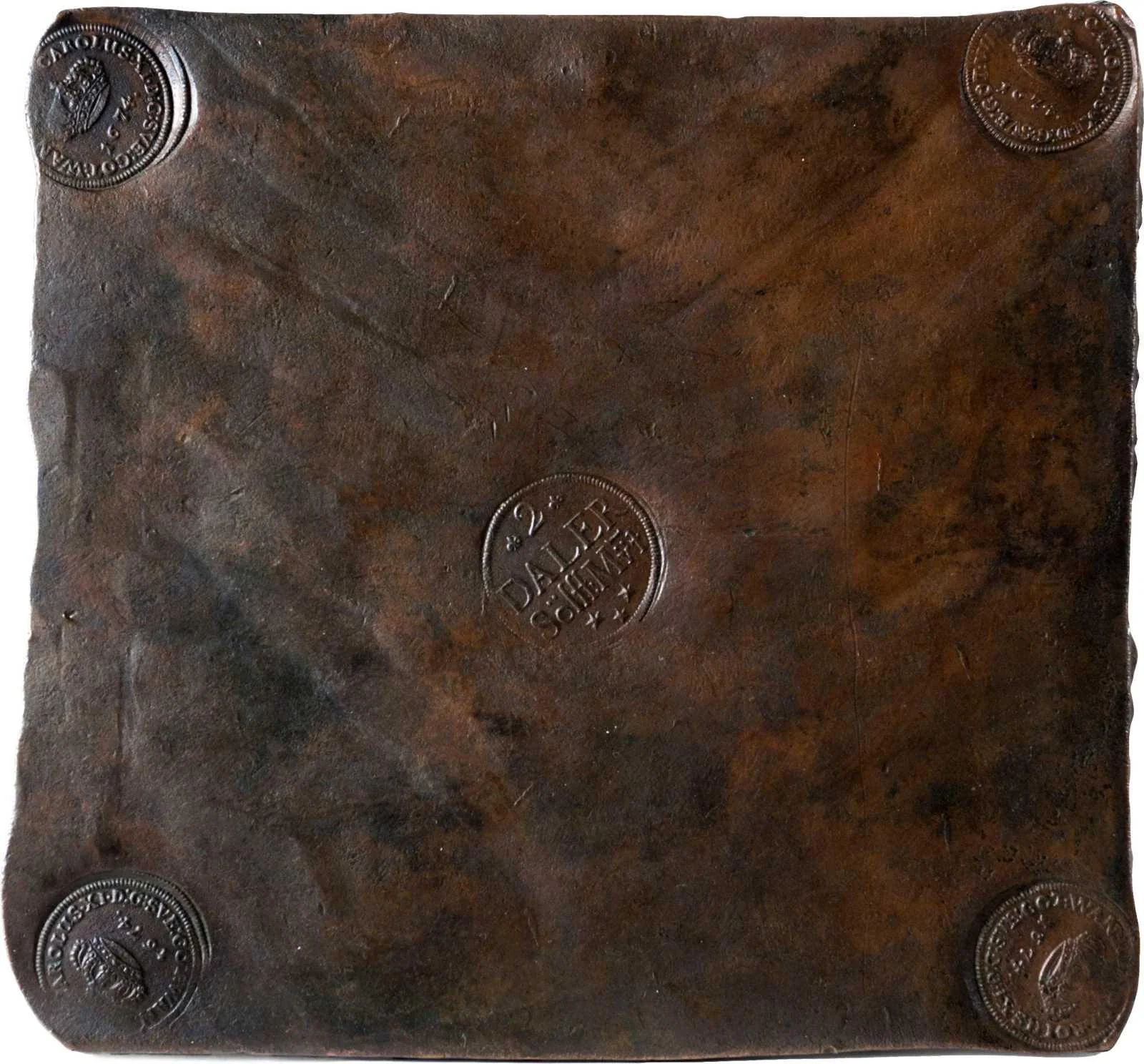
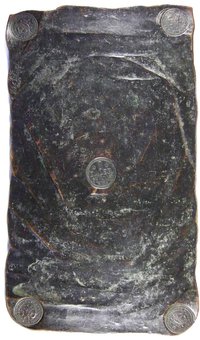
Description:
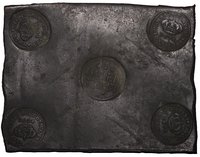
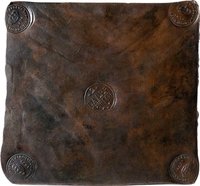
Crown above date in circular legend. Value over three stars.
Inscription:
Corner stamps:
CAROLUS·XI·D:G:SVE:GOT:WAN:REX.
Centre stamp:
*2*
DALER
Sölff:Mnt
CAROLUS·XI·D:G:SVE:GOT:WAN:REX.
Centre stamp:
*2*
DALER
Sölff:Mnt
Script: Latin
Reverse
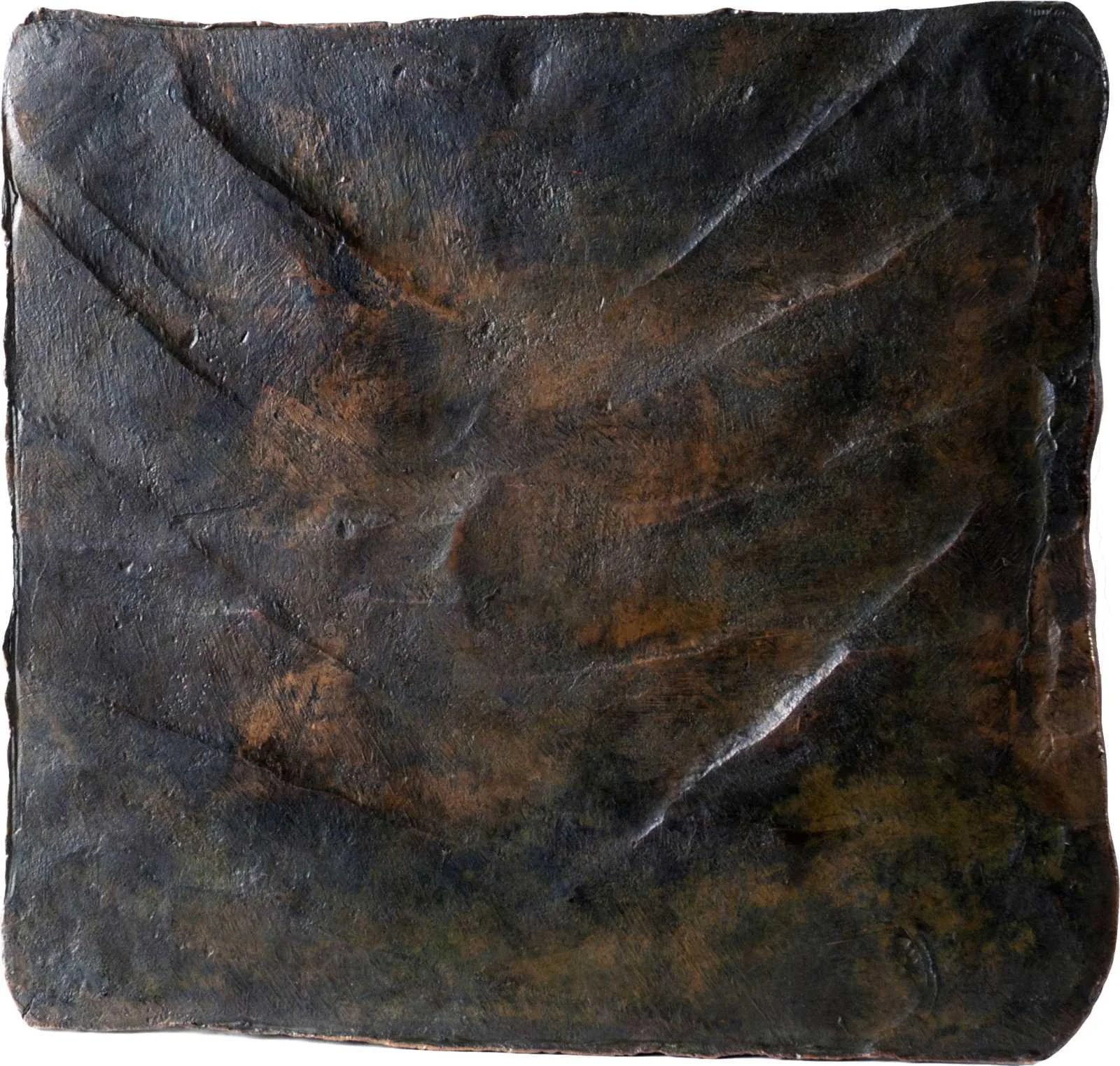
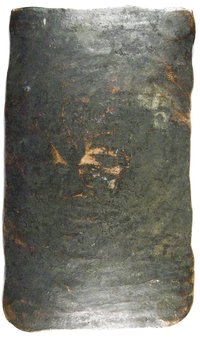
Description:
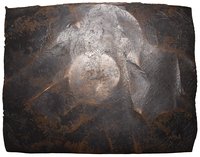
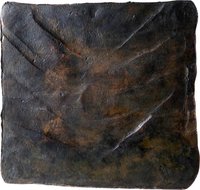
Blank.
Edge
Mints
| Name | Mark |
|---|---|
| Avesta | — |
Mintings
| Year | Mint Mark | Mintage | Quality | Collection |
|---|---|---|---|---|
| 1660 | — | — | ||
| 1662 | — | — | ||
| 1663 | — | — | ||
| 1664 | — | — | ||
| 1667 | — | — | ||
| 1668 | — | — | ||
| 1669 | — | — | ||
| 1672 | — | — | ||
| 1673 | — | — | ||
| 1674 | — | — | ||
| 1675 | — | — | ||
| 1676 | — | — | ||
| 1677 | — | — | ||
| 1678 | — | — | ||
| 1679 | — | — | ||
| 1680 | — | — | ||
| 1681 | — | — | ||
| 1682 | — | — | ||
| 1683 | — | — | ||
| 1684 | — | — | ||
| 1685 | — | — | ||
| 1686 | — | — | ||
| 1689 | — | — | ||
| 1690 | — | — | ||
| 1691 | — | — |
Historical background
In 1660, Sweden’s currency system was in a state of profound crisis and transition, a direct consequence of the kingdom’s aggressive military campaigns during the Thirty Years' War and subsequent conflicts. To finance its vast armies, the Swedish state had repeatedly debased its silver coinage, the daler, by reducing its silver content and minting excessive quantities of lower-quality copper coins. This created a chaotic bi-metallic system where the intrinsic value of the metal in a coin often exceeded its face value, leading to hoarding, speculation, and severe inflation. The economy was effectively burdened with two circulating currencies: a destabilized silver currency and bulky copper plåtmynt (plate money), sometimes weighing over 20 kilograms per coin.
The situation was unsustainable. Copper, a major Swedish export, saw its market price fluctuate internationally, further destabilizing the currency's value. Meanwhile, the state's finances were crippled by war debts and a shortage of precious metals. The monetary chaos hindered trade, complicated taxation, and strained the entire economy. Recognizing this, the government under the regency for young King Charles XI initiated a major monetary reform, the myntrealisationen of 1661–1665, which aimed to restore confidence by recalling old debased coins and issuing new ones with fixed, stable metal contents.
Thus, 1660 represents the pivotal year when the full extent of the currency collapse was acknowledged and the decisive path toward reform was taken. The background is one of wartime fiscal exhaustion leading to monetary disorder, setting the stage for a state-driven effort to re-establish a stable and trustworthy currency system, which would be crucial for Sweden’s development as a centralized great power in the latter half of the 17th century.
The situation was unsustainable. Copper, a major Swedish export, saw its market price fluctuate internationally, further destabilizing the currency's value. Meanwhile, the state's finances were crippled by war debts and a shortage of precious metals. The monetary chaos hindered trade, complicated taxation, and strained the entire economy. Recognizing this, the government under the regency for young King Charles XI initiated a major monetary reform, the myntrealisationen of 1661–1665, which aimed to restore confidence by recalling old debased coins and issuing new ones with fixed, stable metal contents.
Thus, 1660 represents the pivotal year when the full extent of the currency collapse was acknowledged and the decisive path toward reform was taken. The background is one of wartime fiscal exhaustion leading to monetary disorder, setting the stage for a state-driven effort to re-establish a stable and trustworthy currency system, which would be crucial for Sweden’s development as a centralized great power in the latter half of the 17th century.
Series: 1660 Sweden circulation coins
✨ Legendary