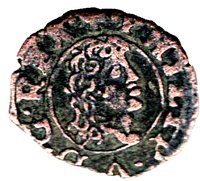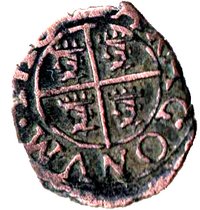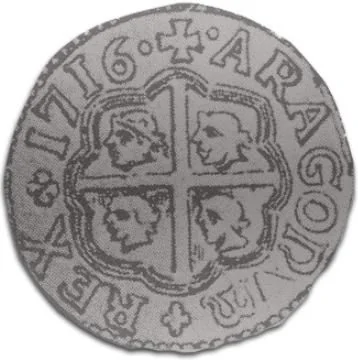
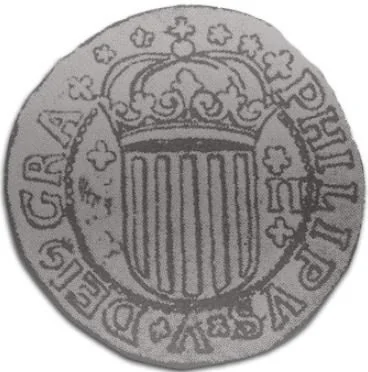
By 1716, the currency situation in the Kingdom of Aragon was one of profound transition and imposed standardization, a direct consequence of the War of the Spanish Succession (1701-1714). Following the victory of the Bourbon claimant, Philip V, the Nueva Planta decrees (1707-1716) systematically abolished Aragon's traditional political institutions,
fueros (laws), and autonomous privileges, integrating the region into a centralized Castilian administrative and economic model. This political upheaval fundamentally reshaped the monetary landscape, as one of the key pillars of sovereignty—the right to mint and regulate coinage—was extinguished.
Prior to this, Aragon had maintained its own complex monetary system distinct from Castile's. It was based on the
libra jaquesa (Aragonese pound), subdivided into
sueldos and
dineros, and featured a variety of circulating coins, including the distinctive
croat and
pietat. These existed alongside a multitude of foreign coins, particularly from France and Italy, reflecting Aragon’s historical Mediterranean trade networks. The 1716 decrees abolished this separate system, mandating the use of the Castilian monetary system as the sole legal standard across the former kingdom.
Therefore, in 1716, the Castilian
real and its larger unit, the
escudo, became the official currencies. The Royal Mint in Madrid now held a monopoly on coin production, and accounting shifted to Castilian units of
maravedís,
reales, and
ducados. This forced integration aimed to facilitate tax collection, royal finance, and internal trade within a unified Spain, but it also severed a centuries-old numismatic tradition and represented a tangible, daily reminder of Aragon's lost autonomy for its populace. The period was marked by a complex circulation of old Aragonese coins being gradually withdrawn and replaced, creating practical challenges in commerce during the transition.