

½ speciedaler – Denmark
Add to wishlist
Denmark
Context
Material
References
KM: #
Numista: #181246
Value
Bullion value: $32.01
Obverse
Description:
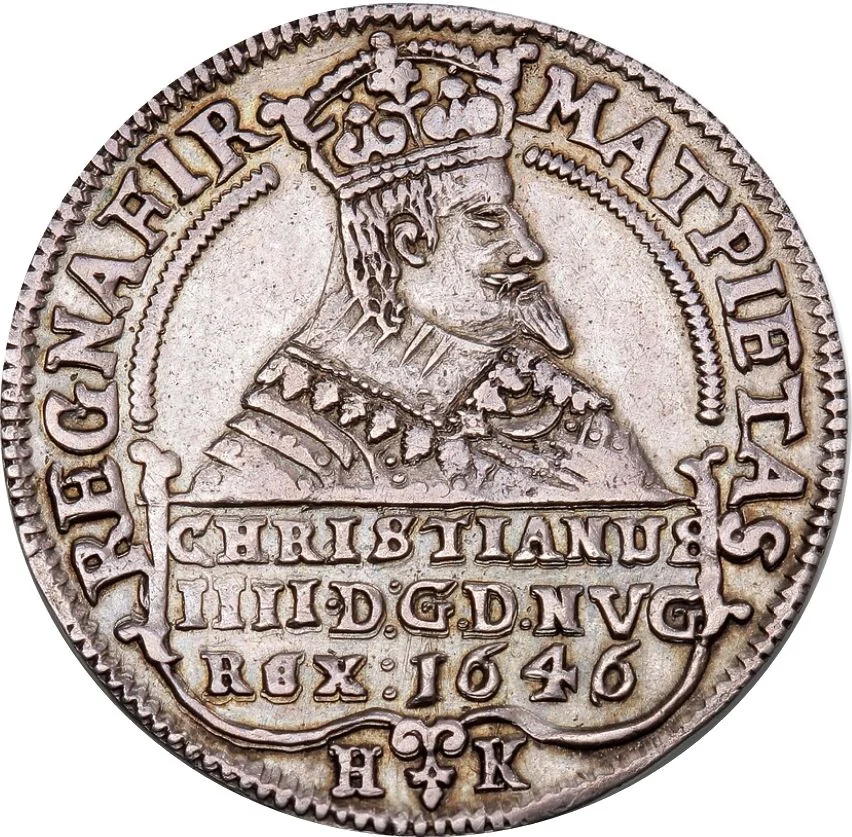
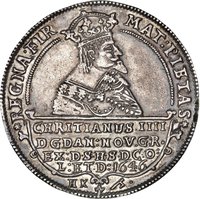
Right-facing armored bust of Christian IV within a beaded circle, surrounded by his motto. Below, an ornate cartouche bears his name and date, with the mintmark split by its lobes.
Inscription:
REGNA · FIR | MAT : PIETAS
__________________
CHRISTIANUS
IIII·D:G:D·N·V:G
REX: 1646
H | K
__________________
CHRISTIANUS
IIII·D:G:D·N·V:G
REX: 1646
H | K
Script: Latin
Reverse
Description:
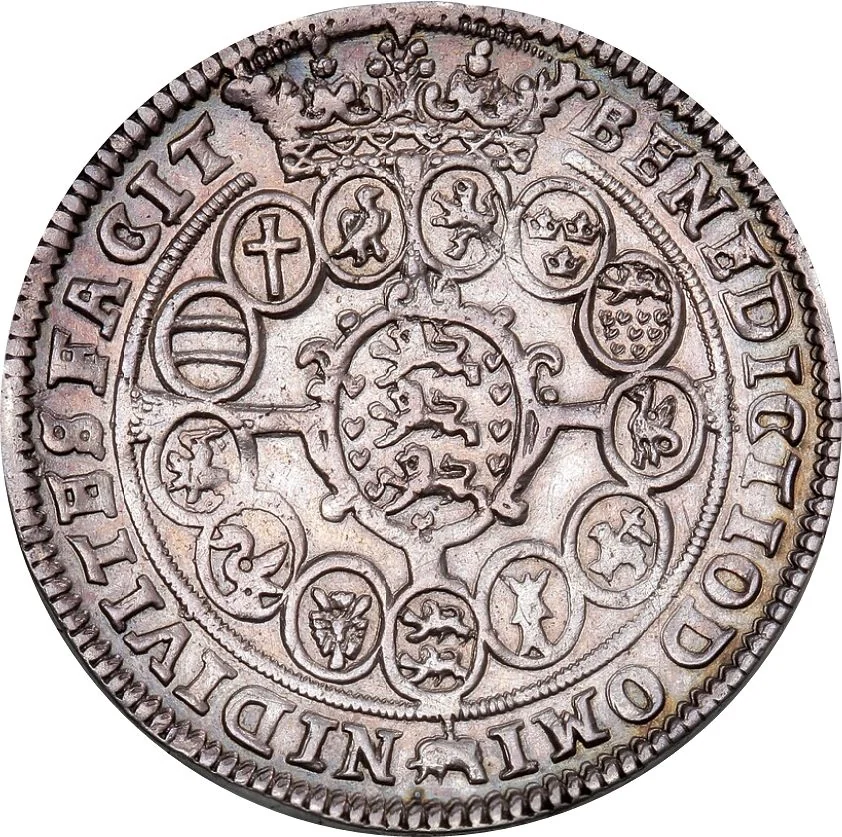
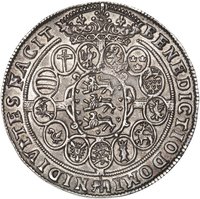
Danish royal arms on a cross, encircled by 13 territorial shields within a pearled border, topped by the crown and with the Order of the Elephant pendant below.
Inscription:
BENEDICTIO DOMI | NI DIVITES FACIT
Script: Latin
Edge
Mints
| Name | Mark |
|---|---|
| Copenhagen | HK |
Mintings
| Year | Mint Mark | Mintage | Quality | Collection |
|---|---|---|---|---|
| 1646 | HK | — |
Historical background
In 1646, Denmark operated under a complex and strained monetary system typical of early modern Europe. The primary currency was the rigsdaler, a large silver coin that served as the unit of account for major transactions and state finances. However, the everyday economy relied on a fragmented system of smaller coins, including skilling and mark, where 1 rigsdaler was officially valued at 6 mark or 96 skilling. This system was plagued by chronic problems of debasement, where the silver content of coins was reduced to finance state expenditures, particularly those related to Denmark's costly involvement in the Thirty Years' War (1618-1648).
The monetary situation was further complicated by the circulation of a vast array of foreign coins, especially from German states and the Netherlands, which entered through trade. These coins, of varying weights and purities, created confusion and facilitated fraud. King Christian IV's government struggled to control this chaotic system, as the disparity between officially minted coins and their intrinsic metal value led to Gresham's Law in practice: "bad" debased money drove "good" full-weight money out of circulation, either into private hoards or abroad. This undermined both public trust and the crown's ability to manage the economy.
Consequently, 1646 fell within a period of significant monetary instability and inflationary pressure. While not a year of a major reform itself, it was part of the long backdrop that would eventually force the crown to attempt repeated, and often unsuccessful, re-coinages and currency regulations. The fundamental challenge was balancing the crown's urgent need for war revenue with the necessity of maintaining a stable medium of exchange for the kingdom's economic health, a tension that would persist for decades.
The monetary situation was further complicated by the circulation of a vast array of foreign coins, especially from German states and the Netherlands, which entered through trade. These coins, of varying weights and purities, created confusion and facilitated fraud. King Christian IV's government struggled to control this chaotic system, as the disparity between officially minted coins and their intrinsic metal value led to Gresham's Law in practice: "bad" debased money drove "good" full-weight money out of circulation, either into private hoards or abroad. This undermined both public trust and the crown's ability to manage the economy.
Consequently, 1646 fell within a period of significant monetary instability and inflationary pressure. While not a year of a major reform itself, it was part of the long backdrop that would eventually force the crown to attempt repeated, and often unsuccessful, re-coinages and currency regulations. The fundamental challenge was balancing the crown's urgent need for war revenue with the necessity of maintaining a stable medium of exchange for the kingdom's economic health, a tension that would persist for decades.
✨ Legendary