

2 Daler SM – Sweden
Sweden

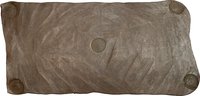
Obverse
Description:
Crown above date within circular legend.
Inscription:
CAROLUS·GUSTAVUS·X·D:G:REX·SVECO:
1659.
1659.
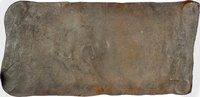
Reverse
Description:
Centre stamp: Value over mintmark.
Inscription:
*2*
DALER
Sölff:Mnt
DALER
Sölff:Mnt
Edge
Mints
| Name | Mark |
|---|---|
| Avesta | — |
Mintings
| Year | Mint Mark | Mintage | Quality | Collection |
|---|---|---|---|---|
| 1658 | — | — | ||
| 1659 | — | — |
Historical background
In 1658, Sweden's currency system was in a state of profound strain, a direct consequence of the kingdom's aggressive military expansion during the Thirty Years' War and its subsequent conflicts. The immense cost of maintaining a large army and funding the campaigns of King Karl X Gustav, including the ongoing war against Denmark-Norway and Poland, had drained the royal treasury. To meet these expenses, the state resorted to the heavily debased klipping currency—small, copper coins with a face value far exceeding their intrinsic metal worth. This created a chaotic dual circulation alongside older, more valuable silver coins.
The situation was exacerbated by Sweden's unique position as a major copper producer, where large, cumbersome copper plate money (plåtmynt) served as a form of high-value currency. However, the war-driven need for liquidity led to excessive minting of both copper and the debased klippingar, causing severe inflation and a loss of public confidence. People hoarded older silver coins, leading to Gresham's Law in practice, where "bad money drives out good." The monetary system became fragmented and unreliable, hampering both domestic trade and the state's own ability to procure supplies efficiently.
Recognizing the crisis, the Riksdag (parliament) took decisive action in 1658. It demonetized the discredited klipping currency and initiated a comprehensive recoinage to restore stability. This reform aimed to recall the old coins and issue new ones with more honest metal content, a painful but necessary process to re-establish trust. Thus, 1658 stands as a pivotal year of monetary collapse and the beginning of a difficult, state-led recovery, all set against the backdrop of Sweden's fleeting era as a beleaguered European great power.
The situation was exacerbated by Sweden's unique position as a major copper producer, where large, cumbersome copper plate money (plåtmynt) served as a form of high-value currency. However, the war-driven need for liquidity led to excessive minting of both copper and the debased klippingar, causing severe inflation and a loss of public confidence. People hoarded older silver coins, leading to Gresham's Law in practice, where "bad money drives out good." The monetary system became fragmented and unreliable, hampering both domestic trade and the state's own ability to procure supplies efficiently.
Recognizing the crisis, the Riksdag (parliament) took decisive action in 1658. It demonetized the discredited klipping currency and initiated a comprehensive recoinage to restore stability. This reform aimed to recall the old coins and issue new ones with more honest metal content, a painful but necessary process to re-establish trust. Thus, 1658 stands as a pivotal year of monetary collapse and the beginning of a difficult, state-led recovery, all set against the backdrop of Sweden's fleeting era as a beleaguered European great power.
✨ Legendary