

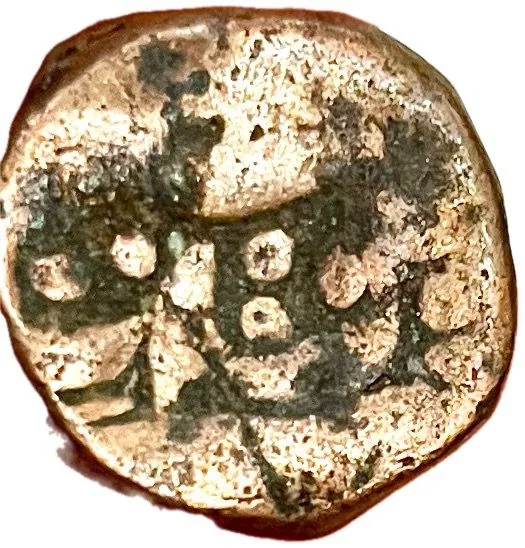
1 Dam – Mughal Empire
India
Context
Years: 1607–1627
Country: India 
Issuer: Mughal Empire
Ruler: Jahangir I
Currency:
(1540—1842)
Demonetized: Yes
Material
References
KM: #Click to copy to clipboard126.3
Numista: #180662
Obverse
Reverse
Edge
Plain
Mintings
| Year | Mint Mark | Mintage | Quality | Collection |
|---|---|---|---|---|
| 1607 | — | — | ||
| 1608 | — | — | ||
| 1609 | — | — | ||
| 1610 | — | — | ||
| 1611 | — | — | ||
| 1611 | — | — | ||
| 1612 | — | — | ||
| 1613 | — | — | ||
| 1619 | — | — | ||
| 1621 | — | — | ||
| 1625 | — | — | ||
| 1627 | — | — |
Historical background
In 1607, during the reign of Jahangir, the Mughal Empire's currency system was a well-established and sophisticated engine of the imperial economy, built upon the reforms of his father, Akbar. The system was bimetallic, centered on two primary coins: the silver rupee and the gold mohur. Akbar had standardized the weight, purity, and design of these coins across the empire, ensuring their reliability and acceptance from Kabul to Bengal. The rupee, in particular, had become the dominant unit for revenue assessment, large-scale trade, and state expenditure, facilitating a unified economic space.
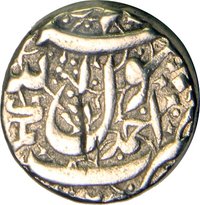
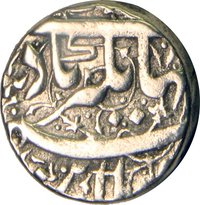
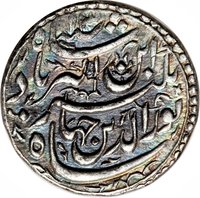
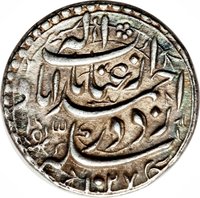
The minting process was decentralized yet tightly controlled. Imperial mints (dar al-zarb) operated in major provincial capitals like Surat, Ahmedabad, Lahore, and Patna, operating under strict regulations to maintain the "sikka" or imperial standard. The coins themselves were works of art, featuring intricate calligraphy with the ruler's name, titles, and often the mint name and regnal year. In 1607, Jahangir was still early in his reign, and his coins largely followed his father's model, though he would later famously introduce innovative and pictorial coins, including the celebrated "zodiac" series.
The currency's stability was crucial for the empire's agrarian and commercial prosperity. Revenue demands (jama) were calculated in rupees, and a vast network of bankers and money-changers (sarrafs) facilitated trade by providing letters of credit (hundis), effectively creating a proto-banking system. While the rural economy still relied heavily on barter, the silver rupee, often flowing into the empire from trade with Europe and the New World, was the lifeblood of the state, the military (paying the mansabdars and their troops), and long-distance commerce, cementing Mughal central authority.
The minting process was decentralized yet tightly controlled. Imperial mints (dar al-zarb) operated in major provincial capitals like Surat, Ahmedabad, Lahore, and Patna, operating under strict regulations to maintain the "sikka" or imperial standard. The coins themselves were works of art, featuring intricate calligraphy with the ruler's name, titles, and often the mint name and regnal year. In 1607, Jahangir was still early in his reign, and his coins largely followed his father's model, though he would later famously introduce innovative and pictorial coins, including the celebrated "zodiac" series.
The currency's stability was crucial for the empire's agrarian and commercial prosperity. Revenue demands (jama) were calculated in rupees, and a vast network of bankers and money-changers (sarrafs) facilitated trade by providing letters of credit (hundis), effectively creating a proto-banking system. While the rural economy still relied heavily on barter, the silver rupee, often flowing into the empire from trade with Europe and the New World, was the lifeblood of the state, the military (paying the mansabdars and their troops), and long-distance commerce, cementing Mughal central authority.
💎 Extremely Rare