

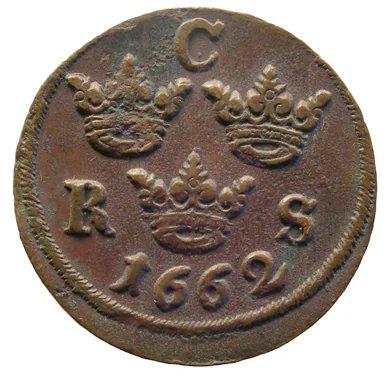
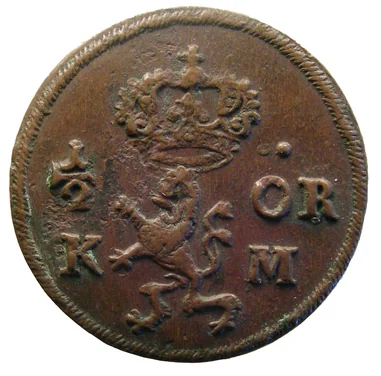
½ ore – Sweden
Add to wishlist
Sweden
Context
References
KM: #
Numista: #180512
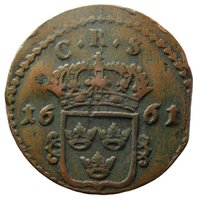
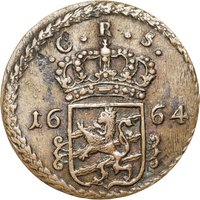
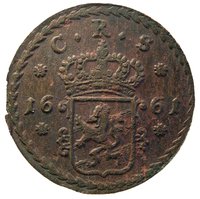
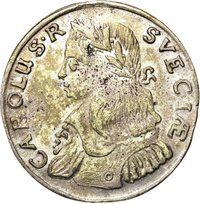
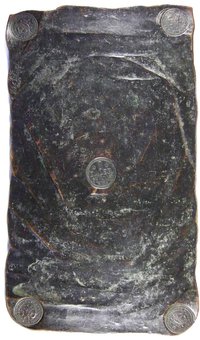
Obverse
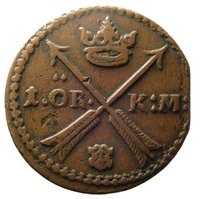
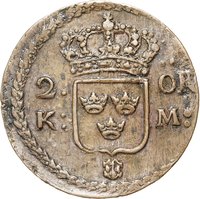
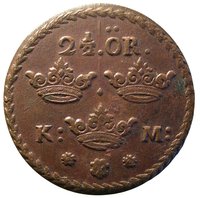
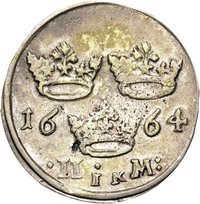
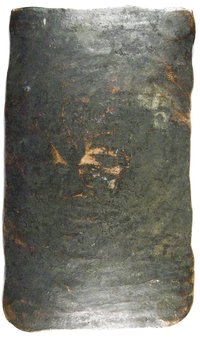
Reverse
Edge
Mints
| Name | Mark |
|---|---|
| Avesta | — |
Mintings
| Year | Mint Mark | Mintage | Quality | Collection |
|---|---|---|---|---|
| 1661 | — | — | ||
| 1662 | — | — | ||
| 1663 | — | — | ||
| 1664 | — | — |
Historical background
In 1661, Sweden stood at a financial precipice. The ongoing wars of the Swedish Empire, particularly the grueling campaigns in Poland and against Denmark-Norway during the Second Northern War, had drained the royal treasury. The state's need for liquid capital to pay soldiers and suppliers was desperate, yet the traditional copper-based monetary system was cumbersome and unstable. Large copper plates (plåtmynt) functioned as currency, but their sheer weight and fluctuating value relative to silver created severe practical and economic difficulties, hindering both commerce and state finance.
This crisis prompted Europe's first official state issuance of banknotes. Under the leadership of Johan Palmstruch, founder of the Stockholm Banco (a precursor to the central bank and chartered by the crown), printed credit notes were introduced in July 1661. These notes, called Kreditivsedlar, were a revolutionary idea, intended as a more efficient medium of exchange than heavy copper and as a way to mobilize the kingdom's credit. They were nominally backed by the bank's holdings of silver coin and copper, allowing holders to theoretically redeem them for metal.
However, the initiative quickly spiraled into disaster. The dire fiscal situation led King Charles XI's regency government to pressure Palmstruch to issue far more notes than the bank's metallic reserves could support, essentially to directly finance the state's war debts. This resulted in severe over-issuance and rapid depreciation. By 1664, the notes had lost much of their value, public trust evaporated, and the bank collapsed. Palmstruch was made the scapegoat, convicted, and sentenced to death (later commuted). Thus, Sweden's pioneering experiment with paper currency ended in failure, leaving a legacy of innovation overshadowed by the perils of financing war through uncontrolled monetary expansion.
This crisis prompted Europe's first official state issuance of banknotes. Under the leadership of Johan Palmstruch, founder of the Stockholm Banco (a precursor to the central bank and chartered by the crown), printed credit notes were introduced in July 1661. These notes, called Kreditivsedlar, were a revolutionary idea, intended as a more efficient medium of exchange than heavy copper and as a way to mobilize the kingdom's credit. They were nominally backed by the bank's holdings of silver coin and copper, allowing holders to theoretically redeem them for metal.
However, the initiative quickly spiraled into disaster. The dire fiscal situation led King Charles XI's regency government to pressure Palmstruch to issue far more notes than the bank's metallic reserves could support, essentially to directly finance the state's war debts. This resulted in severe over-issuance and rapid depreciation. By 1664, the notes had lost much of their value, public trust evaporated, and the bank collapsed. Palmstruch was made the scapegoat, convicted, and sentenced to death (later commuted). Thus, Sweden's pioneering experiment with paper currency ended in failure, leaving a legacy of innovation overshadowed by the perils of financing war through uncontrolled monetary expansion.
Series: 1661 Sweden circulation coins
💎 Extremely Rare