

1 Daler SM – Sweden
Sweden

Material
References
KM: #Click to copy to clipboardPM1
Numista: #180248
Obverse
Description:
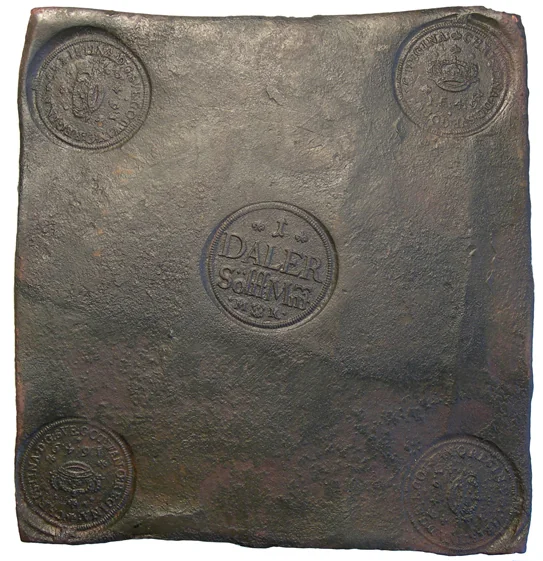
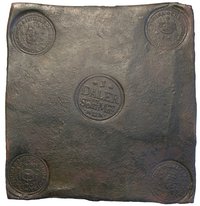
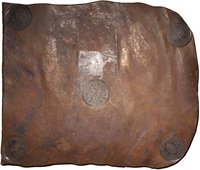
Five stamps on field.
Inscription:
Center stamp:
*1*
DALER
Sölff:Mnt
Corner stamp:
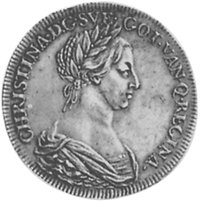
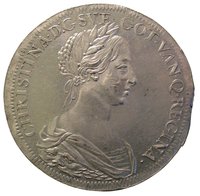
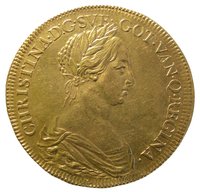
CHRISTINA·D:G:SVE:GOT:WAN:Q:REGINA
1.6.49.
*1*
DALER
Sölff:Mnt
Corner stamp:
CHRISTINA·D:G:SVE:GOT:WAN:Q:REGINA
1.6.49.
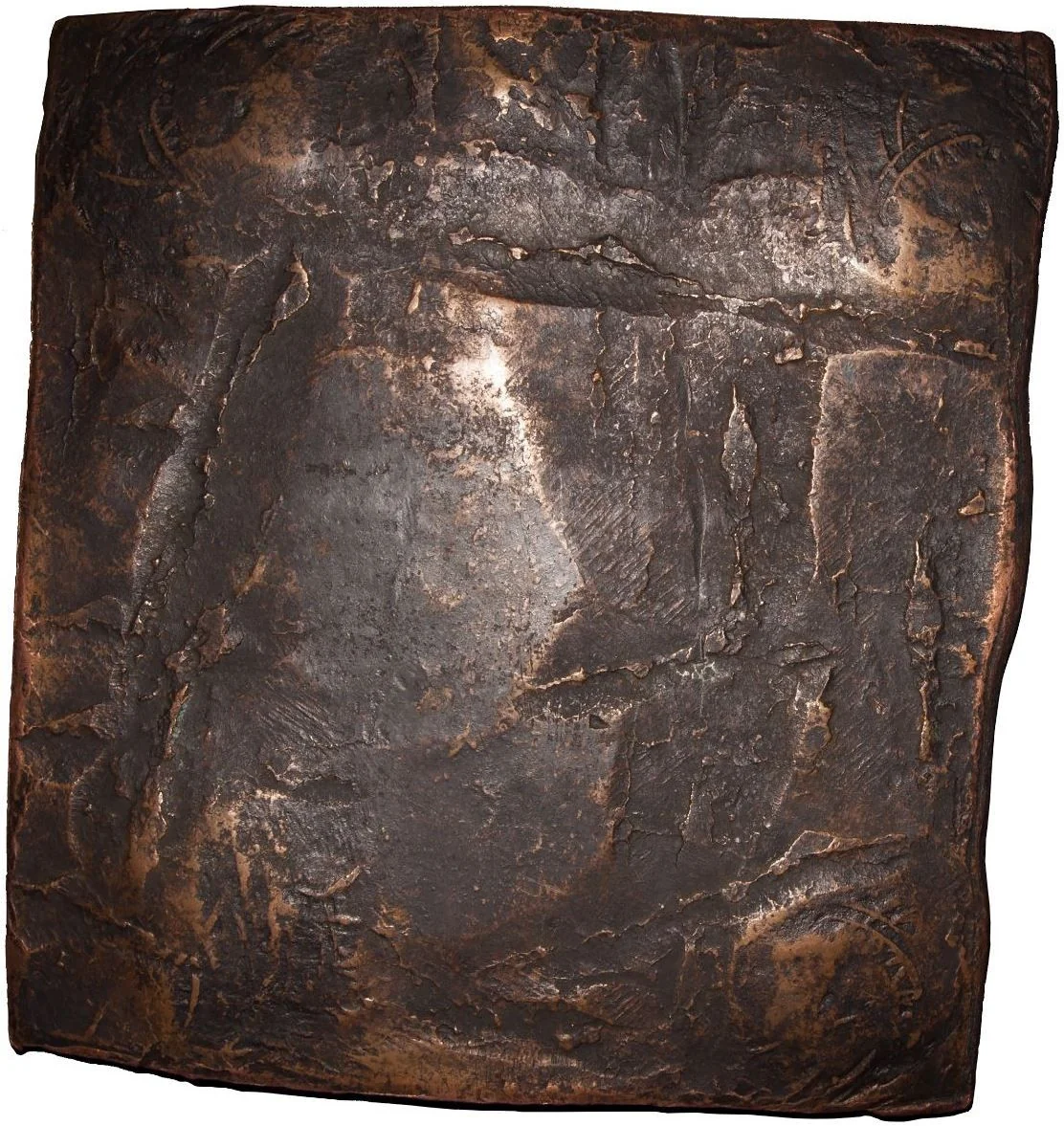
Reverse
Edge
Mints
| Name | Mark |
|---|---|
| Avesta | — |
Mintings
| Year | Mint Mark | Mintage | Quality | Collection |
|---|---|---|---|---|
| 1649 | — | — | ||
| 1650 | — | — | ||
| 1652 | — | — | ||
| 1653 | — | — | ||
| 1654 | — | — |
Historical background
In 1649, Sweden was in the midst of the "Stormaktstiden" (the Era of Great Power), a period of expansive warfare and territorial ambition. To finance its constant military campaigns in the Thirty Years' War and conflicts with Denmark and Poland, the state had resorted to repeated debasement of its currency. The primary coin, the silver daler, was systematically reduced in silver content, while copper became an increasingly dominant monetary metal. This created a complex and unstable bimetallic system where the value of bulky copper plåtmynt (plate money) fluctuated wildly against the silver-based currency.
The situation was chaotic and economically damaging. The chronic shortage of silver led to a proliferation of low-quality copper coins and tokens, causing severe inflation and a loss of public confidence. Prices were unstable, and foreign trade was hampered as merchants demanded payment in full-weight silver. Internally, the cumbersome nature of large copper plates—some weighing several kilograms—made everyday transactions impractical, stifling domestic commerce and causing widespread frustration.
Against this backdrop, the government, under the regency of Queen Christina, was attempting reform. The year 1649 saw the establishment of the Riksens Ständers Bank (the Bank of the Estates of the Realm), a precursor to the modern Swedish Riksbank, the world's oldest central bank. Its initial, though limited, purpose was to bring order to the monetary chaos by providing a reliable source of credit and eventually standardizing the currency. Thus, 1649 represents a pivotal moment of crisis and nascent institutional response, caught between the destructive fiscal policies of wartime and the first steps toward a more stable financial system.
The situation was chaotic and economically damaging. The chronic shortage of silver led to a proliferation of low-quality copper coins and tokens, causing severe inflation and a loss of public confidence. Prices were unstable, and foreign trade was hampered as merchants demanded payment in full-weight silver. Internally, the cumbersome nature of large copper plates—some weighing several kilograms—made everyday transactions impractical, stifling domestic commerce and causing widespread frustration.
Against this backdrop, the government, under the regency of Queen Christina, was attempting reform. The year 1649 saw the establishment of the Riksens Ständers Bank (the Bank of the Estates of the Realm), a precursor to the modern Swedish Riksbank, the world's oldest central bank. Its initial, though limited, purpose was to bring order to the monetary chaos by providing a reliable source of credit and eventually standardizing the currency. Thus, 1649 represents a pivotal moment of crisis and nascent institutional response, caught between the destructive fiscal policies of wartime and the first steps toward a more stable financial system.
Series: 1649 Sweden circulation coins



✨ Legendary