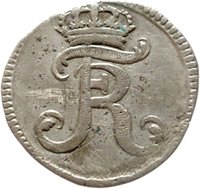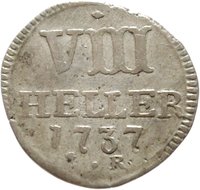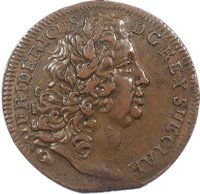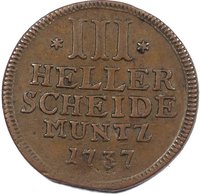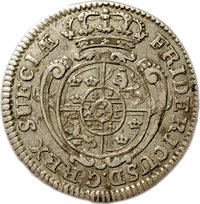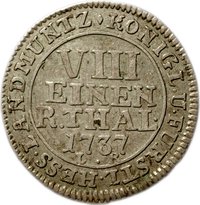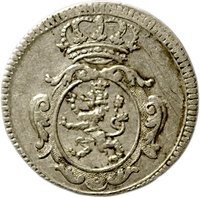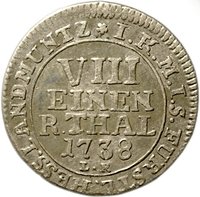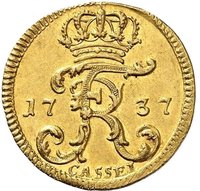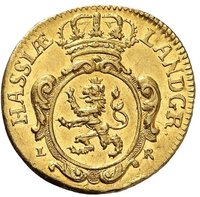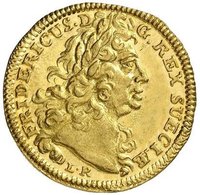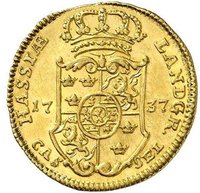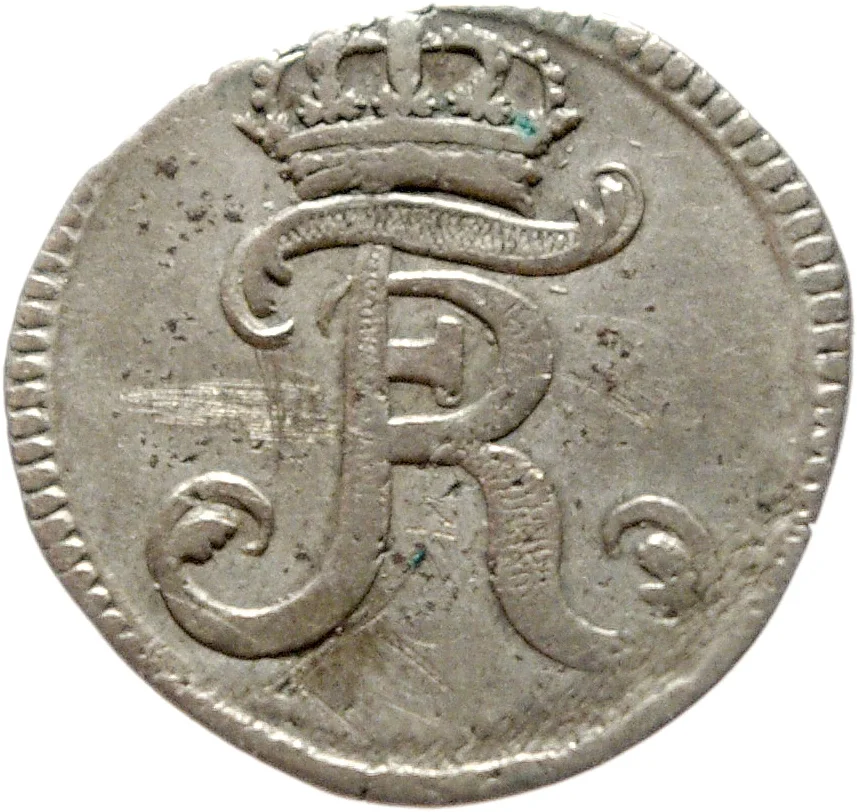
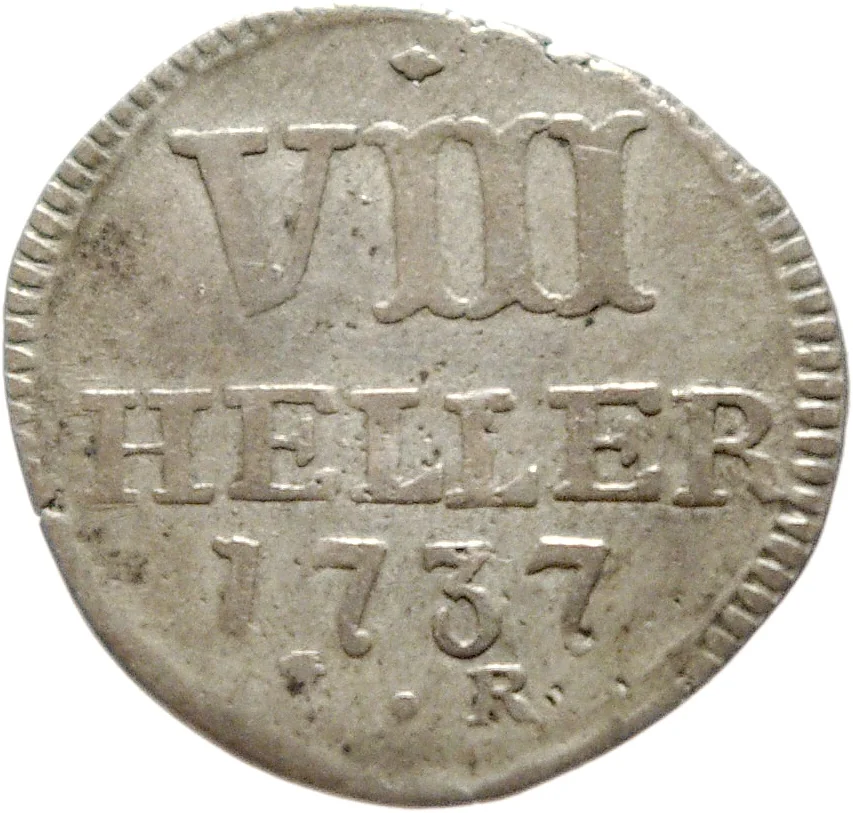
In 1737, the currency situation in the Landgraviate of Hesse-Cassel was one of relative stability but underlying complexity, a legacy of the ambitious and financially adept reign of Landgrave Charles (1670-1730). Charles had systematically reformed the territory's finances, establishing a war treasury that was famously full and stabilizing the currency by introducing the
Reichsthaler as a reliable accounting unit. By 1737, his successor, Landgrave Frederick I (who was also King of Sweden), largely benefited from this solid foundation, with the Hessian
Reichsthaler enjoying a good reputation compared to the debased currencies of many neighboring German states.
However, the system was not without its challenges. The actual circulating medium consisted of a multitude of physical coins—both domestic and foreign—including
Taler,
Gulden, and
Groschen, each with fluctuating values. The Landgraviate's active involvement in the soldier trade (
Soldatenhandel), renting its well-trained troops to foreign powers like Britain, brought in substantial foreign specie, particularly English sterling, which further complicated the monetary landscape. This necessitated constant official ordinances to fix exchange rates between these various coins and the accounting
Reichsthaler to facilitate trade and tax collection.
Consequently, while the treasury was robust and the key currency unit was stable, daily economic life in 1737 Hesse-Cassel required navigating a complex mosaic of metal coins. The state's priority was to maintain this hard-won stability to fund its court and military apparatus, vigilantly managing exchange rates to prevent the inflationary debasement that plagued other regions of the Holy Roman Empire. This careful management ensured Hesse-Cassel's financial strength, which would underpin its significant political and military role in the decades to come.