

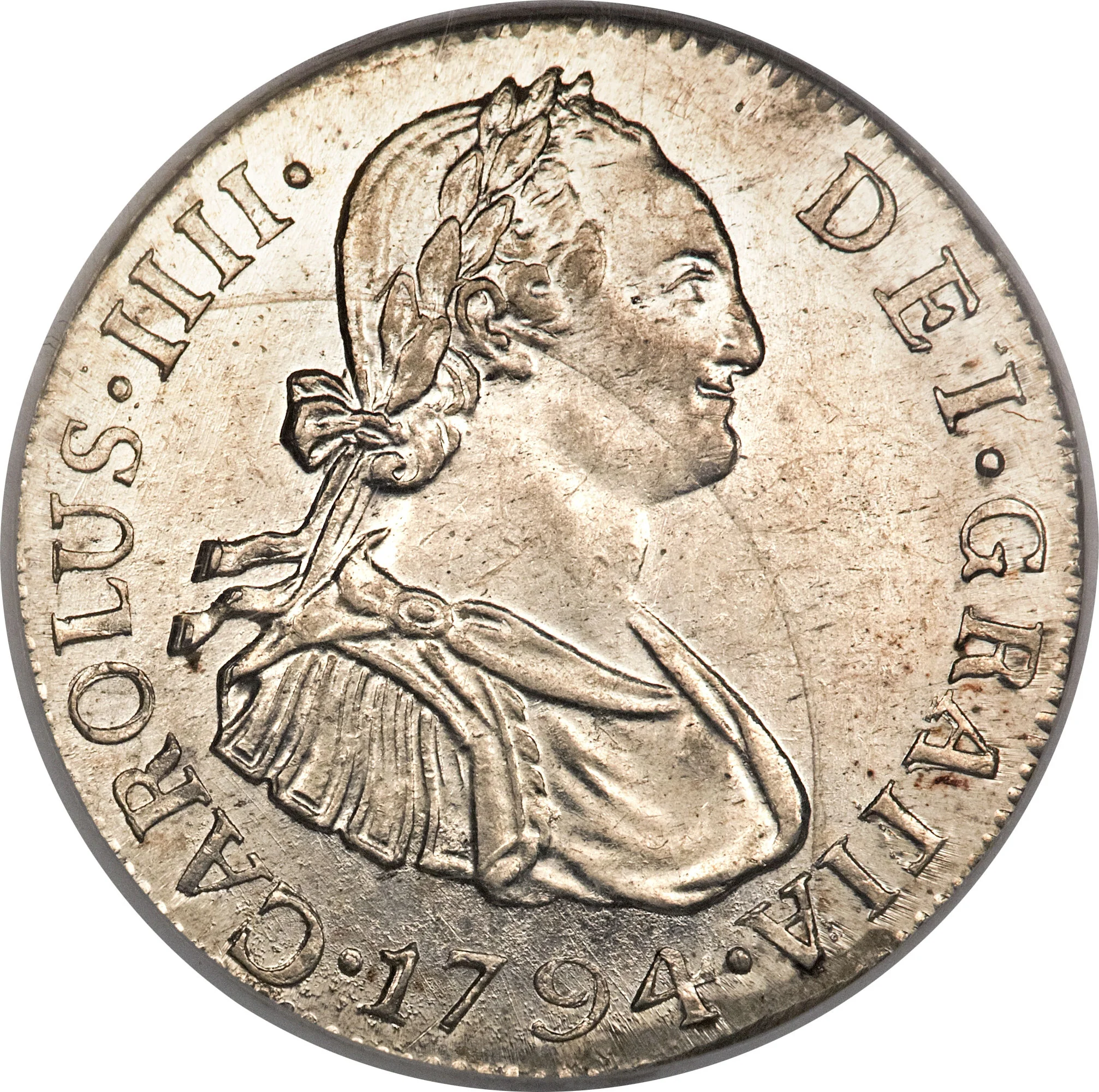
Obverse
Description:
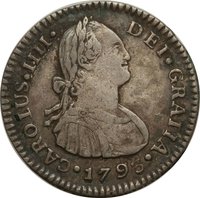
Bust right, legend around, date below.
Inscription:
CAROLUS • IIII • DEI • GRATIA
• 1794 •
• 1794 •
Script: Latin
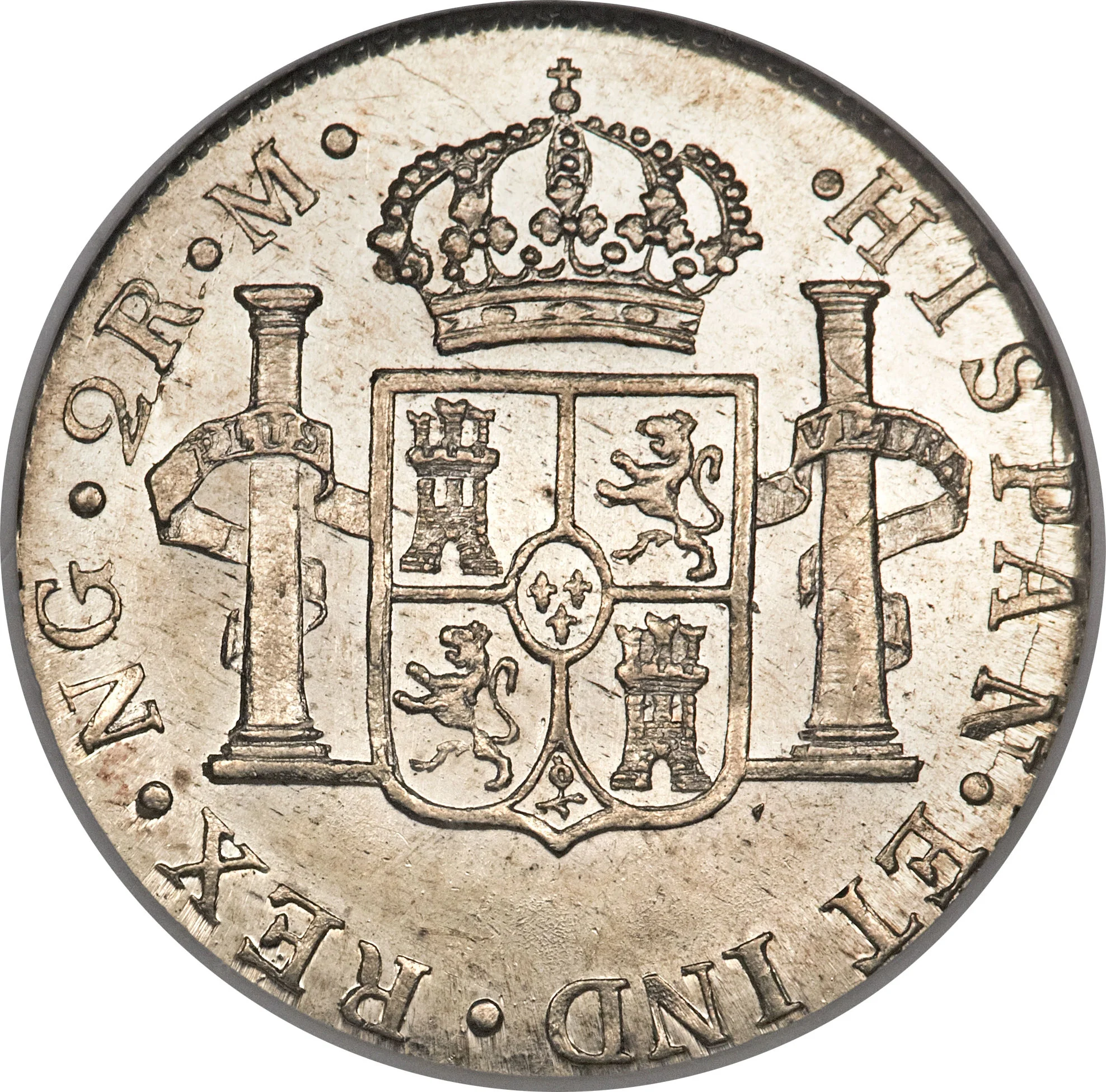
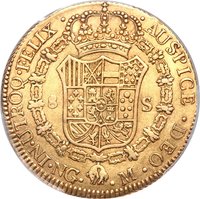
Reverse
Description:
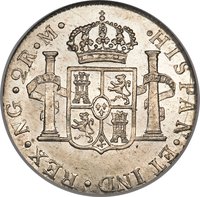
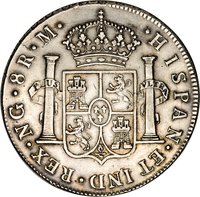
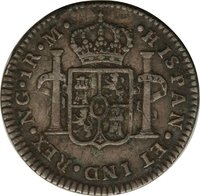
Crowned shield between pillars, encircled by legend.
Inscription:
• HISPAN • ET IND • REX • NG • 2R • M •
Script: Latin
Edge
Categories
| Symbols> Coat of Arms |
| Person> Monarch |
Mints
| Name | Mark |
|---|---|
| Casa de Moneda de Guatemala | NG |
Mintings
Historical background
In 1790, Guatemala, as the Captaincy General of Guatemala within the Spanish Empire, operated under a complex and often strained monetary system. The official currency was Spanish colonial coinage, primarily silver reales and gold escudos, minted in Mexico and other viceregal centers. The most common unit was the real, with eight reales equaling one silver peso (or "piece of eight"). However, the economy suffered from a chronic shortage of official specie. The vast administrative region, stretching from Chiapas to Costa Rica, had no local mint, and the physical distance from central supply points, combined with the demands of transatlantic trade and tax remittances to Spain, meant that circulating coin was perpetually scarce.
This scarcity led to a widespread use of alternative and substitute currencies. In local and regional markets, particularly for smaller transactions, goods like cacao beans and tobacco leaves continued to function as de facto commodity money, a practice with deep pre-Columbian roots. Furthermore, due to the lack of low-denomination coins, merchants and municipalities often issued tlacos or vales—token-like credit slips or promissory notes made of lead, copper, or even leather—to facilitate everyday commerce. The value of these substitutes was highly localized and unstable, creating a multi-layered and informal monetary environment beneath the official royal standard.
The monetary situation was further complicated by the circulation of foreign coins, especially from other Spanish colonies and, increasingly, coins from other European powers and their American territories, which entered through trade and contraband. These were often accepted by weight and assay rather than face value. This fragmented system reflected the broader economic realities of the late colonial period: a region integrated into the global mercantilist system yet constrained by imperial policies that limited economic autonomy and monetary sovereignty, leading to practical, grassroots solutions to the persistent lack of official currency.
This scarcity led to a widespread use of alternative and substitute currencies. In local and regional markets, particularly for smaller transactions, goods like cacao beans and tobacco leaves continued to function as de facto commodity money, a practice with deep pre-Columbian roots. Furthermore, due to the lack of low-denomination coins, merchants and municipalities often issued tlacos or vales—token-like credit slips or promissory notes made of lead, copper, or even leather—to facilitate everyday commerce. The value of these substitutes was highly localized and unstable, creating a multi-layered and informal monetary environment beneath the official royal standard.
The monetary situation was further complicated by the circulation of foreign coins, especially from other Spanish colonies and, increasingly, coins from other European powers and their American territories, which entered through trade and contraband. These were often accepted by weight and assay rather than face value. This fragmented system reflected the broader economic realities of the late colonial period: a region integrated into the global mercantilist system yet constrained by imperial policies that limited economic autonomy and monetary sovereignty, leading to practical, grassroots solutions to the persistent lack of official currency.
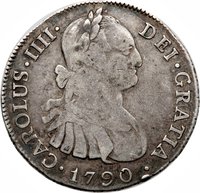
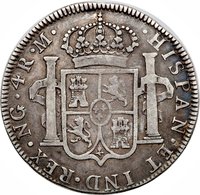
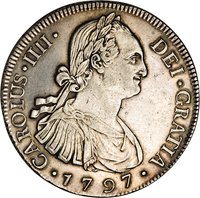
Series: 1790 Guatemala circulation coins
⭐ Rare