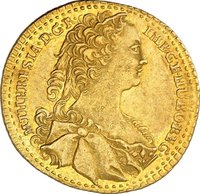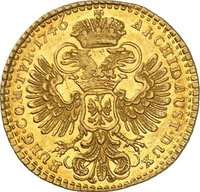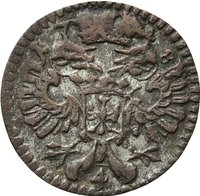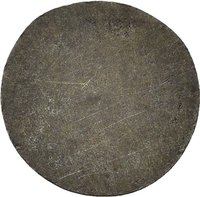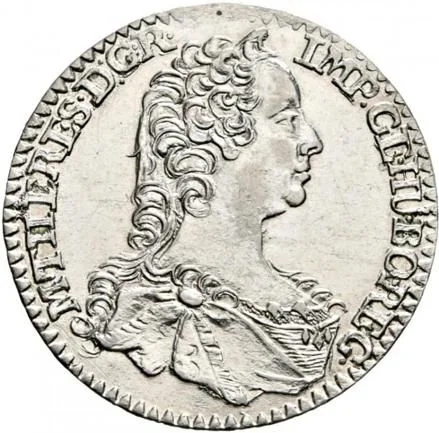
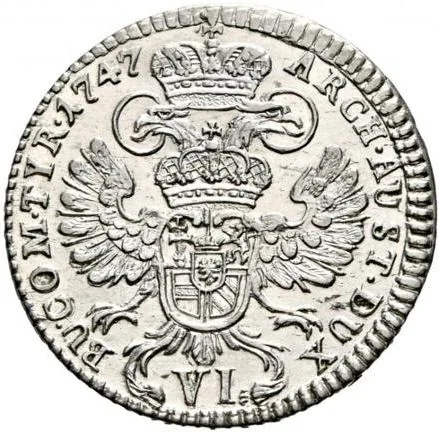
In 1747, the County of Tyrol, a crown land of the Habsburg Monarchy, was navigating a complex and challenging currency landscape. The region was not immune to the wider monetary disorders plaguing the Holy Roman Empire, characterized by a proliferation of different coins and a chronic shortage of high-quality specie. While Tyrol had its own mint in Hall, which produced the distinctive
Tyroler Gulden and
Kreuzer, its currency circulation was a mixture of domestic coinage, various German Reichsthaler, and legal and illegal foreign coins, particularly from neighboring Italian states. This created constant difficulties in trade and valuation.
The situation was exacerbated by the ongoing War of the Austrian Succession (1740-1748), which placed severe fiscal strain on the Habsburg treasury. A common method of war finance was the deliberate debasement of coinage—reducing the precious metal content to create more money from the same silver stock. While the Hall mint was known for relatively high-quality silver coinage, the pressure from Vienna likely led to inflationary practices, such as issuing lower-value billon coins or overstriking existing coins. This devaluation eroded public trust and disrupted local economies, as the intrinsic value of coins fell below their face value.
Furthermore, Tyrol's strategic position as a transit hub between the German lands and Italy made it a battleground for currency flows. Good silver coins tended to be hoarded or exported, while poorer-quality coins flooded the market—a classic example of Gresham's Law. Although the Habsburg authorities attempted to enforce currency ordinances and tariffs specifying exchange rates, control was difficult. Thus, in 1747, merchants, miners, and farmers in Tyrol contended with a confusing, unstable monetary system that complicated daily transactions and reflected the broader fiscal crises of the Habsburg state at war.