

2 Thalers – Hungary
Hungary

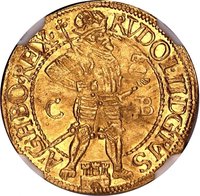
Obverse
Description:
H# 1041 Tallér stamps on rectangular plate with dot and Roman numeral fill.
Inscription:
RVDOL · II · D · G · RO · IM · S · AV · GER · HVN · BO · REX ·
Script: Latin
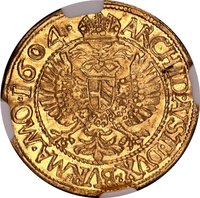
Reverse
Description:
H# 1041 Tallér stamps on rectangular plate with dot and Roman numeral fill.
Inscription:
ARCHI · DVX · AVS · DVX · BVRG · MAR · MORA · 1604 ·
K B
K B
Script: Latin
Edge
Plain
Mintings
| Year | Mint Mark | Mintage | Quality | Collection |
|---|---|---|---|---|
| 1608 | N | — |
Historical background
In 1608, Hungary existed as a fractured kingdom divided into three parts: Royal Hungary under Habsburg rule, the Ottoman-occupied central territories, and the semi-independent Principality of Transylvania. This political fragmentation directly caused a chaotic and multi-layered currency situation. The Habsburgs, ruling from Vienna, minted and circulated silver thalers and copper denars in Royal Hungary, but these coins often competed with older, debased Hungarian issues and a flood of foreign coins from trade. Meanwhile, in Ottoman-occupied regions, Turkish akçe and altin coins circulated alongside whatever local or Habsburg currency remained.
The most acute monetary problem was the severe debasement of the copper-based small coinage, particularly the denar. The Habsburg government, perpetually short of funds for its ongoing wars against the Ottomans and internal rebellions, repeatedly reduced the silver content and increased the output of these coins to finance its expenditures. This led to rampant inflation in everyday transactions, causing hardship for the common population and soldiers paid in these depreciated coins. The disparity between the relatively stable silver thaler and the worthless copper small change created a two-tiered monetary system that disrupted local markets and trade.
Furthermore, the rival Transylvanian principality, under the ambitious Prince Stephen Bocskay until his death in 1606 and then under Sigismund Rákóczi, minted its own currency in Gyulafehérvár (Alba Iulia). While also facing pressures of war finance, Transylvania’s coins, such as the silver denar, were crucial for asserting economic and political sovereignty against the Habsburgs. Thus, the currency landscape of 1608 was not merely an economic issue but a stark reflection of the kingdom’s political divisions, with each ruling power using minting rights as a tool of state finance and a symbol of contested authority.
The most acute monetary problem was the severe debasement of the copper-based small coinage, particularly the denar. The Habsburg government, perpetually short of funds for its ongoing wars against the Ottomans and internal rebellions, repeatedly reduced the silver content and increased the output of these coins to finance its expenditures. This led to rampant inflation in everyday transactions, causing hardship for the common population and soldiers paid in these depreciated coins. The disparity between the relatively stable silver thaler and the worthless copper small change created a two-tiered monetary system that disrupted local markets and trade.
Furthermore, the rival Transylvanian principality, under the ambitious Prince Stephen Bocskay until his death in 1606 and then under Sigismund Rákóczi, minted its own currency in Gyulafehérvár (Alba Iulia). While also facing pressures of war finance, Transylvania’s coins, such as the silver denar, were crucial for asserting economic and political sovereignty against the Habsburgs. Thus, the currency landscape of 1608 was not merely an economic issue but a stark reflection of the kingdom’s political divisions, with each ruling power using minting rights as a tool of state finance and a symbol of contested authority.

✨ Legendary