

1 Unite – England
United Kingdom
Context
Years: 1660–1662
Country: United Kingdom 
Issuer: England 
Ruler: Charles II
Currency:
(1158—1970)
Demonetized: Yes
Material
References
KM: #Click to copy to clipboard415
Numista: #164822
Value
Bullion value: $1503.61
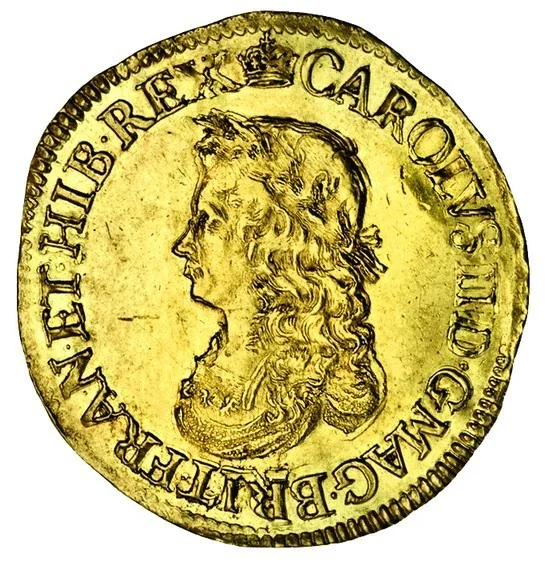
Obverse
Description:
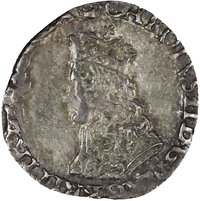
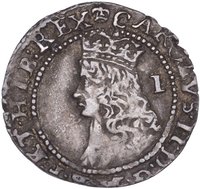
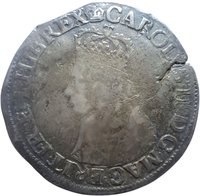
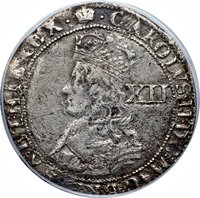
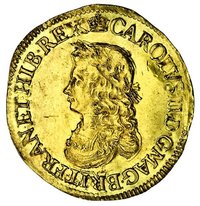
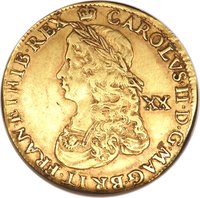
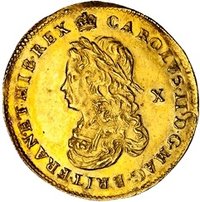
King Charles II laureate and draped, facing left, with surrounding legend. No value mark behind bust.
Inscription:
CAROLVS · II · D · G MAG · BRIT · FRAN · ET · HIB · REX
Script: Latin
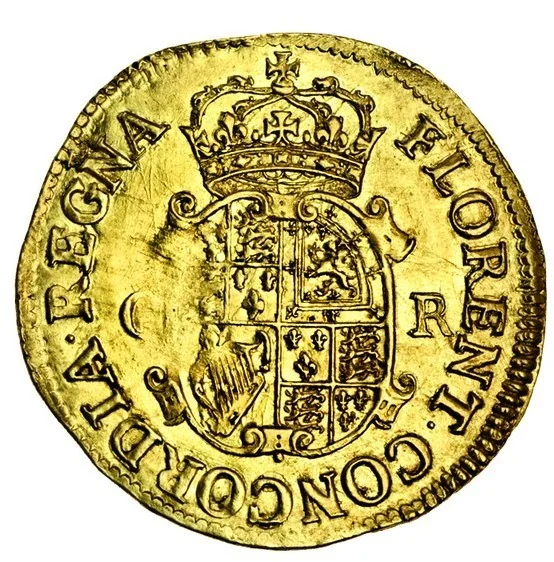
Reverse
Description:
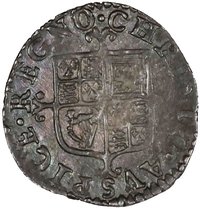
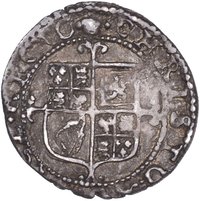
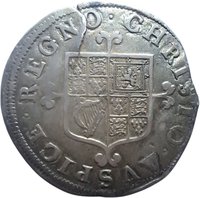
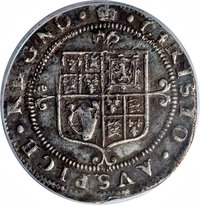
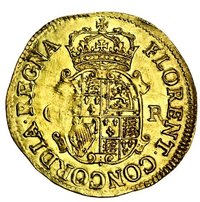
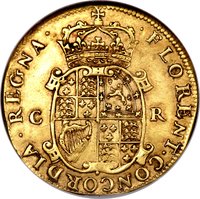
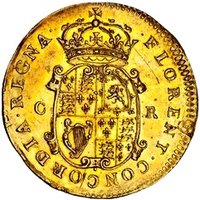
Royal shield between cypher, encircled by legend.
Inscription:
FLORENT · CONCORDIA · REGNA
C R
C R
Script: Latin
Edge
Mintings
| Year | Mint Mark | Mintage | Quality | Collection |
|---|---|---|---|---|
| — | — | — |
Historical background
In 1660, England’s currency was a physical, metallic system, primarily based on silver. The principal coin was the silver pound sterling, subdivided into shillings and pence, with gold coins like the guinea (initially valued at 20 shillings) also in circulation. However, the century had been plagued by severe currency instability. The English Civil War and the Interregnum had led to significant coinage debasement and widespread clipping (shaving precious metal from coin edges), resulting in a circulating coinage that was often underweight, worn, and unreliable. This damaged public trust and complicated trade, as the intrinsic metal value of a coin could be less than its face value.
The restoration of the monarchy under Charles II in 1660 brought an urgent need for monetary reform to stabilize the economy and re-establish royal authority. The state faced a critical problem: much of the hammered silver coinage in circulation was so degraded that it was unsuitable for the large-scale trade and government finance required for a renewed kingdom. While the full recoinage that would definitively solve this issue was still a few years away (culminating in the Great Recoinage of 1696), the groundwork was laid in this period. The government began serious planning to replace the old, hammered coins with new, machine-milled coins with inscribed edges to prevent clipping.
Thus, the currency situation in 1660 was one of transition from crisis to reform. It was characterized by a tangible, but physically deteriorating, silver standard and a growing recognition of the necessity for a strong, uniform currency. The period immediately following the Restoration set the stage for the introduction of more sophisticated minting technology and firmer state control over the coinage, which would eventually help secure the financial foundations for England’s commercial and imperial expansion.
The restoration of the monarchy under Charles II in 1660 brought an urgent need for monetary reform to stabilize the economy and re-establish royal authority. The state faced a critical problem: much of the hammered silver coinage in circulation was so degraded that it was unsuitable for the large-scale trade and government finance required for a renewed kingdom. While the full recoinage that would definitively solve this issue was still a few years away (culminating in the Great Recoinage of 1696), the groundwork was laid in this period. The government began serious planning to replace the old, hammered coins with new, machine-milled coins with inscribed edges to prevent clipping.
Thus, the currency situation in 1660 was one of transition from crisis to reform. It was characterized by a tangible, but physically deteriorating, silver standard and a growing recognition of the necessity for a strong, uniform currency. The period immediately following the Restoration set the stage for the introduction of more sophisticated minting technology and firmer state control over the coinage, which would eventually help secure the financial foundations for England’s commercial and imperial expansion.
Series: 1660 England circulation coins
✨ Legendary