

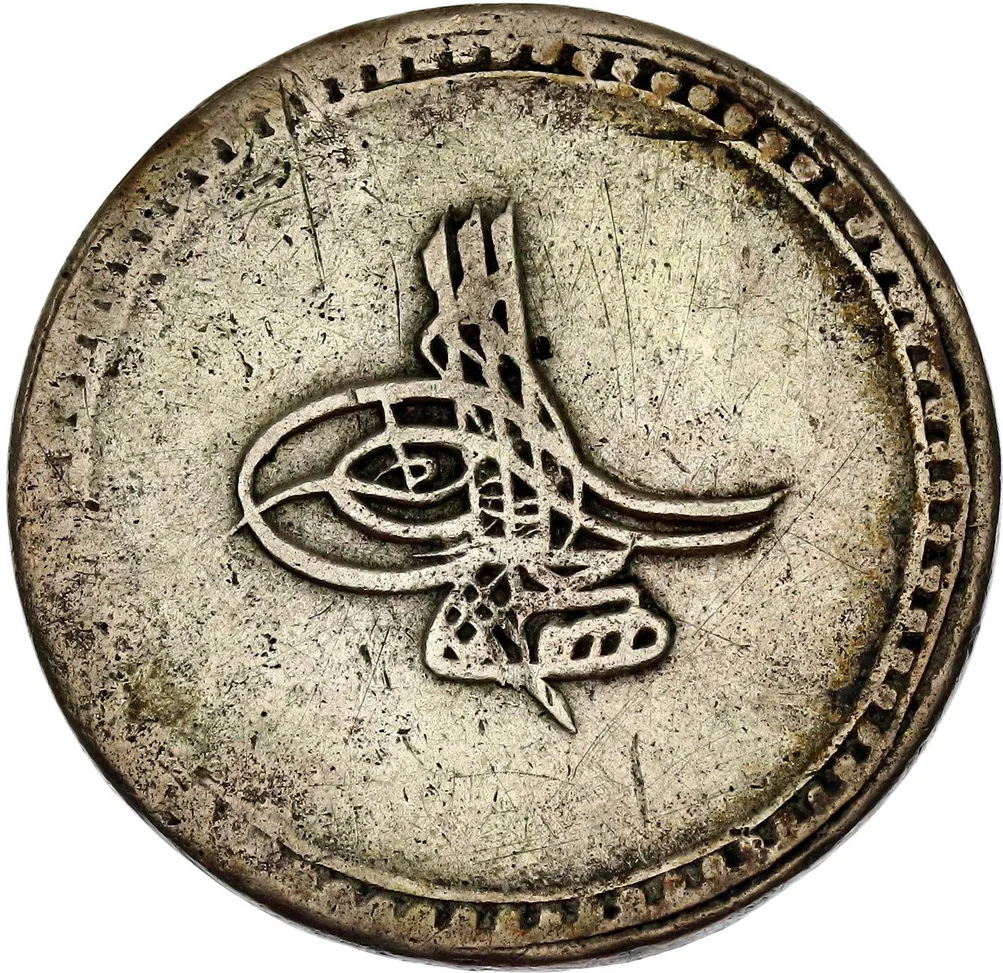
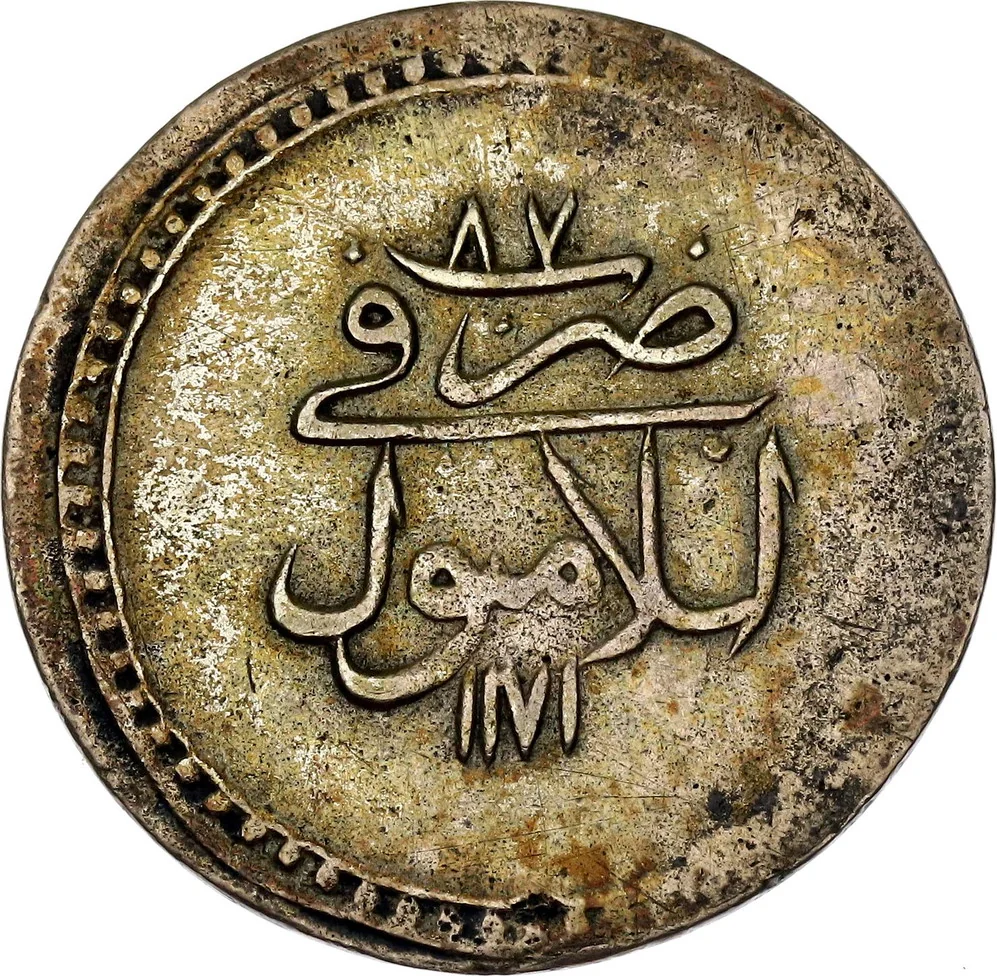
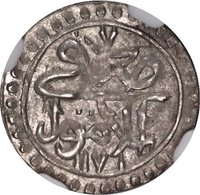
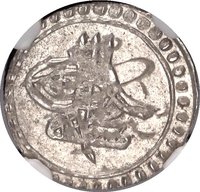
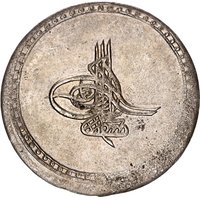
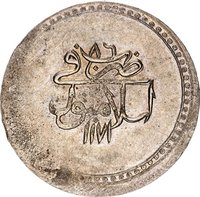
20 Para – Ottoman Empire
Turkey
Context
Years: 1762–1774
Country: Turkey 
Issuer: Ottoman Empire
Ruler: Mustafa III
Currency:
(1688—1844)
Demonetized: Yes
Material
References
KM: #Click to copy to clipboard313
Numista: #162880
Mints
| Name | Mark |
|---|---|
| Constantinople | — |
Mintings
| Year | Mint Mark | Mintage | Quality | Collection |
|---|---|---|---|---|
| 1762 | — | — | ||
| 1763 | — | — | ||
| 1764 | — | — | ||
| 1769 | — | — | ||
| 1770 | — | — | ||
| 1771 | — | — | ||
| 1772 | — | — | ||
| 1773 | — | — | ||
| 1774 | — | — |
Historical background
In 1762, the Ottoman Empire’s currency system was in a state of profound crisis, a culmination of decades of fiscal mismanagement and external pressures. The primary silver coin, the akçe, had been largely supplanted in practice by the kuruş (piastre), but the entire monetary structure was plagued by severe debasement. Successive sultans, facing chronic budget deficits exacerbated by costly wars, military modernization, and a decentralized administrative system, resorted to repeatedly reducing the silver content of coinage to generate short-term revenue. This led to a loss of confidence, price inflation, and monetary chaos where the values of coins fluctuated wildly based on their mint dates and actual metal content.
The situation was further complicated by the widespread circulation of foreign currencies, particularly European silver thalers like the Dutch leeuwendaalder and the Austrian Conventionsthaler, which were trusted for their stable silver content. These coins circulated freely within the empire, especially in major port cities and for international trade, undermining the authority of the Ottoman mint. Internally, a complex system of money-changers (sarrafs) became essential to navigate the bewildering array of coins in circulation, assessing their true metallic worth and facilitating transactions, which added layers of cost and inefficiency to the economy.
This monetary instability reflected the broader geopolitical and economic challenges of the period. The empire was still recovering from the Treaty of Belgrade (1739) and was engaged in ongoing conflicts, including the Seven Years' War (1756-1763) in which it was diplomatically involved, though not a direct combatant. The debased currency directly harmed state finances by increasing the cost of procuring goods for the military and the capital, while also eroding the real wages of soldiers and officials paid in depreciated coin, creating social unrest. Thus, in 1762, the Ottoman currency system was not merely an economic issue but a symptom of the empire's struggle to adapt its traditional fiscal structures to the pressures of the 18th-century global economy.
The situation was further complicated by the widespread circulation of foreign currencies, particularly European silver thalers like the Dutch leeuwendaalder and the Austrian Conventionsthaler, which were trusted for their stable silver content. These coins circulated freely within the empire, especially in major port cities and for international trade, undermining the authority of the Ottoman mint. Internally, a complex system of money-changers (sarrafs) became essential to navigate the bewildering array of coins in circulation, assessing their true metallic worth and facilitating transactions, which added layers of cost and inefficiency to the economy.
This monetary instability reflected the broader geopolitical and economic challenges of the period. The empire was still recovering from the Treaty of Belgrade (1739) and was engaged in ongoing conflicts, including the Seven Years' War (1756-1763) in which it was diplomatically involved, though not a direct combatant. The debased currency directly harmed state finances by increasing the cost of procuring goods for the military and the capital, while also eroding the real wages of soldiers and officials paid in depreciated coin, creating social unrest. Thus, in 1762, the Ottoman currency system was not merely an economic issue but a symptom of the empire's struggle to adapt its traditional fiscal structures to the pressures of the 18th-century global economy.
✨ Legendary