

1½ Pfennig – Brunswick-Lüneburg-Celle
Germany
Context
Years: 1691–1699
Country: Germany 
Issuer: Brunswick-Lüneburg-Celle
Ruler: George William
Currency:
Demonetized: Yes
Material
References
KM: #Click to copy to clipboard337
Numista: #162568
Obverse
Description:
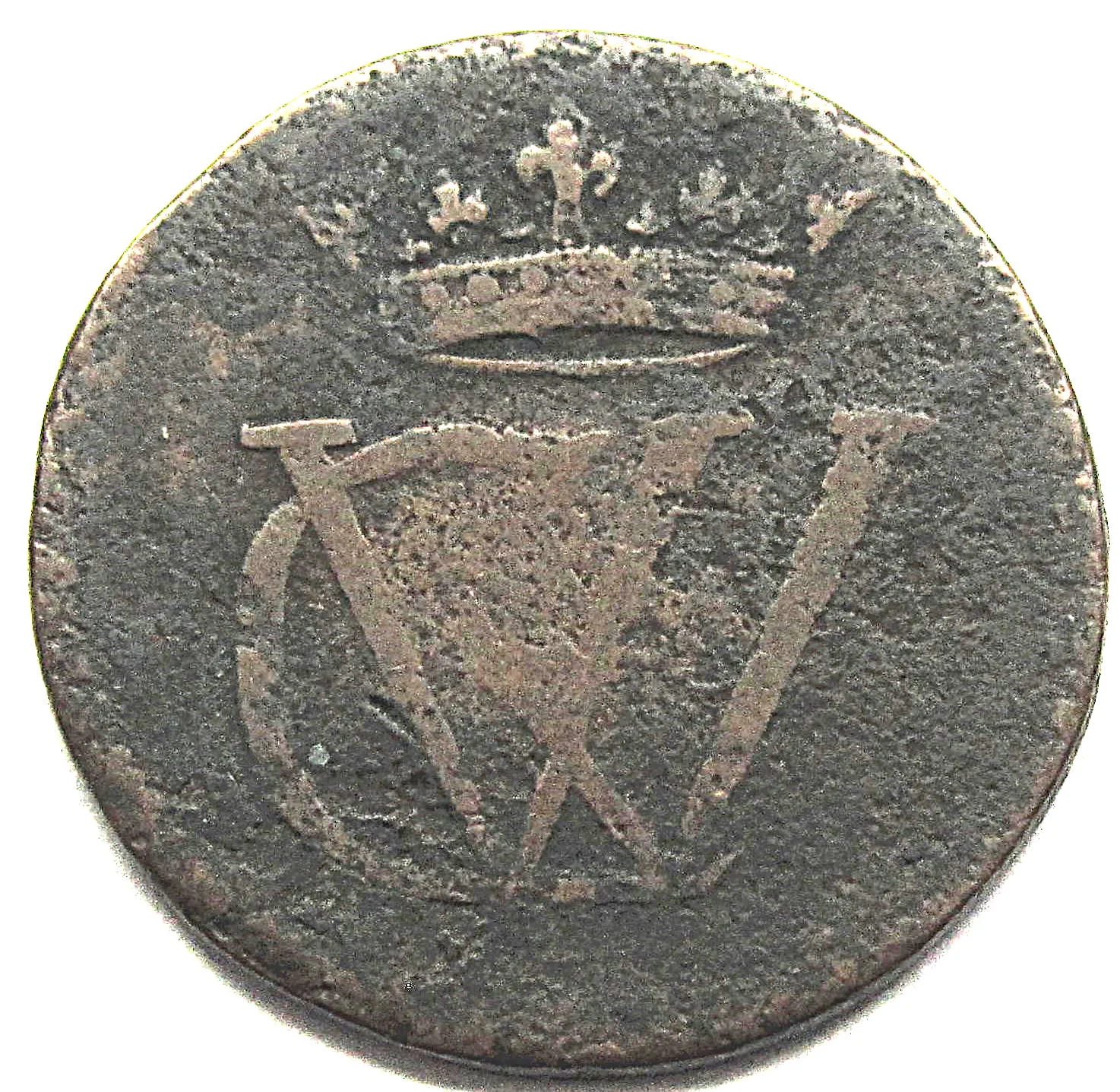
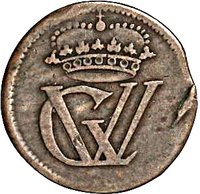
Crowned GW initials.
Script: Latin
Reverse
Description:
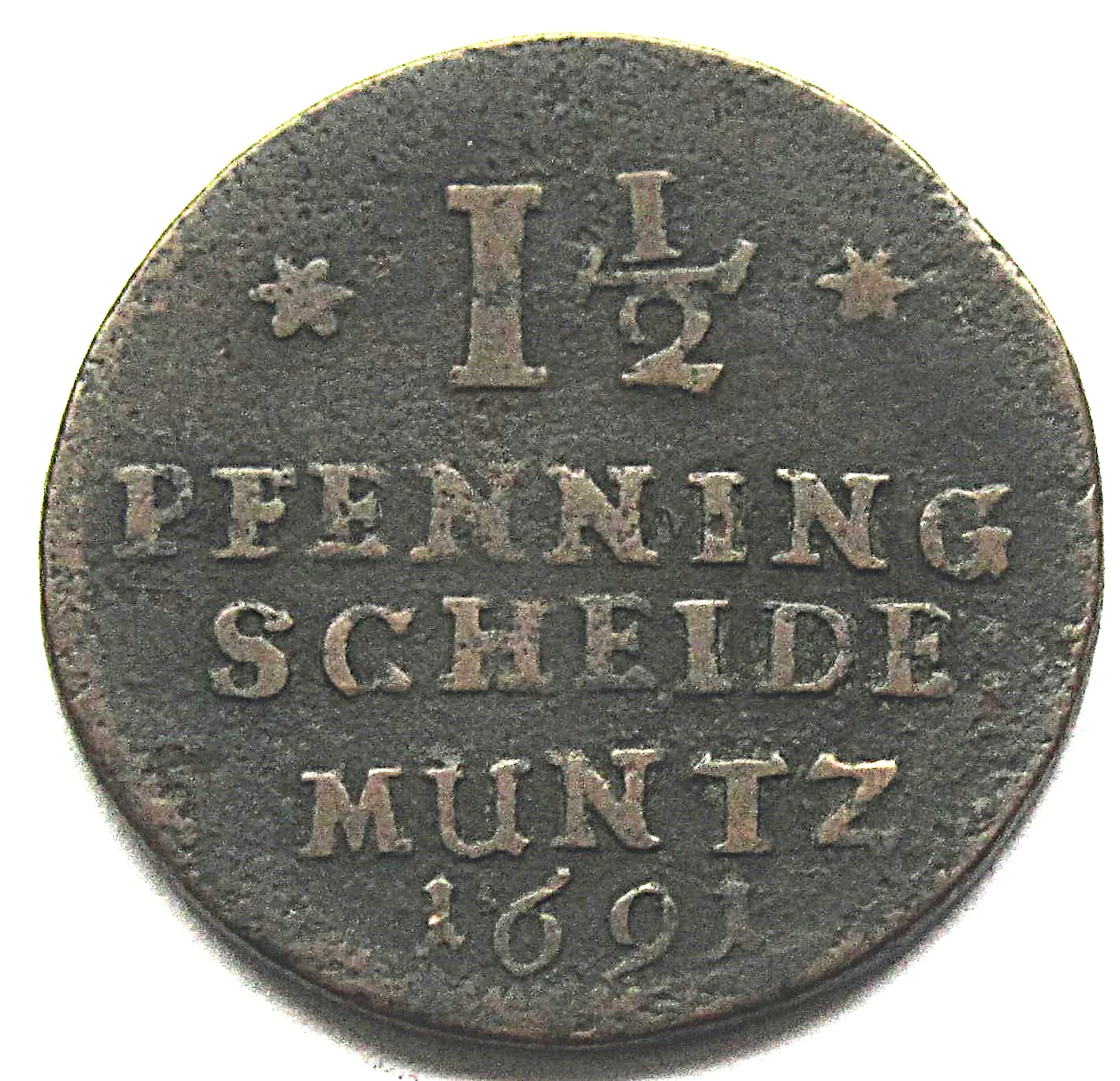
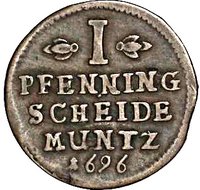
Denomination and date in five lines.
Inscription:
* 1 1/2*
PFENNING
SCHEIDE
MUNTZ
PFENNING
SCHEIDE
MUNTZ
Script: Latin
Edge
Mintings
| Year | Mint Mark | Mintage | Quality | Collection |
|---|---|---|---|---|
| 1691 | — | — | ||
| — | — | — | ||
| 1699 | — | — |
Historical background
In 1691, the currency situation in the Duchy of Brunswick-Lüneburg, specifically the Principality of Celle under Duke George William, was characterized by significant complexity and instability, common across the fractured Holy Roman Empire. The territory did not have a uniform coinage; instead, it operated within a multi-layered system where various estates and cities held minting rights, leading to a circulation of diverse coins from within the duchy and from neighboring states. The primary accounting unit was the Thaler, but daily transactions were conducted in a confusing array of smaller denominations like Groschen, Mariengroschen, and Pfennigs, whose values and silver content were not always consistent.
This fragmentation was exacerbated by the widespread practice of Kipper- und Wipperzeit debasement from earlier in the century, where authorities would lower the precious metal content in coins to generate short-term profit, eroding public trust. Furthermore, the duchy was deeply affected by the military and financial demands of the ongoing Nine Years' War (1688-1697). To fund his troops, Duke George William, like many contemporary rulers, faced intense fiscal pressure, often resorting to manipulating coinage to meet expenses, which further destabilized the currency's value and spurred inflation.
Consequently, the monetary landscape in 1691 was one of practical difficulty for commerce and public administration. Merchants and citizens had to constantly assess and exchange a bewildering variety of physical coins, all while navigating fluctuating exchange rates and the risk of accepting underweight or counterfeit money. This environment highlighted the urgent need for greater monetary standardization and control—a challenge the Brunswick-Lüneburg rulers would later address more systematically in the 18th century as they moved toward consolidated state authority and financial reform.
This fragmentation was exacerbated by the widespread practice of Kipper- und Wipperzeit debasement from earlier in the century, where authorities would lower the precious metal content in coins to generate short-term profit, eroding public trust. Furthermore, the duchy was deeply affected by the military and financial demands of the ongoing Nine Years' War (1688-1697). To fund his troops, Duke George William, like many contemporary rulers, faced intense fiscal pressure, often resorting to manipulating coinage to meet expenses, which further destabilized the currency's value and spurred inflation.
Consequently, the monetary landscape in 1691 was one of practical difficulty for commerce and public administration. Merchants and citizens had to constantly assess and exchange a bewildering variety of physical coins, all while navigating fluctuating exchange rates and the risk of accepting underweight or counterfeit money. This environment highlighted the urgent need for greater monetary standardization and control—a challenge the Brunswick-Lüneburg rulers would later address more systematically in the 18th century as they moved toward consolidated state authority and financial reform.
✨ Legendary