

1 Öre KM – Sweden
Sweden
Context

References
KM: #Click to copy to clipboard117
Numista: #160031
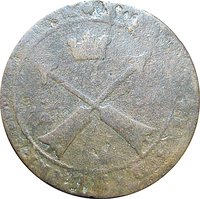
Obverse
Description:
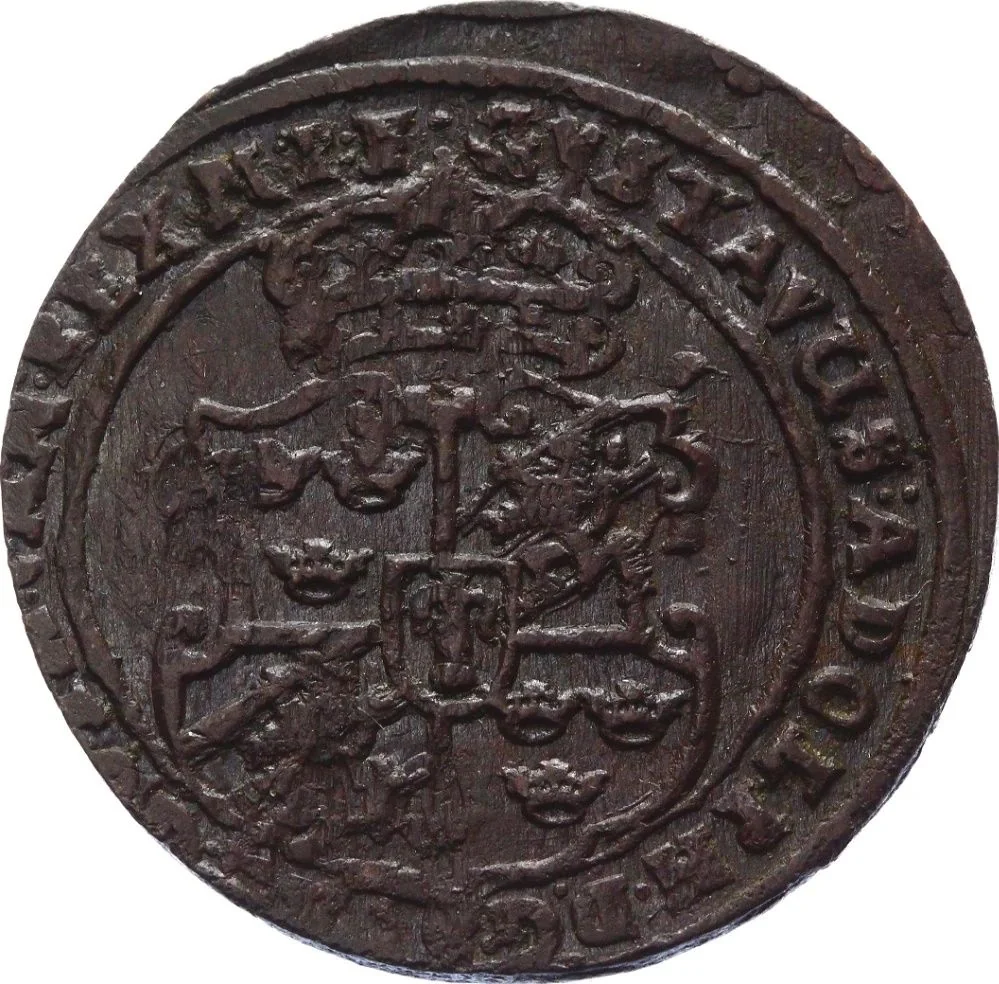
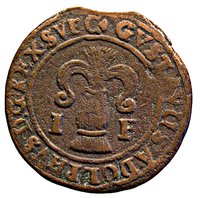
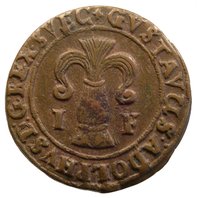
Swedish royal coat of arms on a shield, encircled partially by a ring with an outer inscription.
Inscription:
GVSTAVUS:ADOLPH:D:G:SVEC:GOTH:VAN:REX.M:P:F
Script: Latin
Reverse
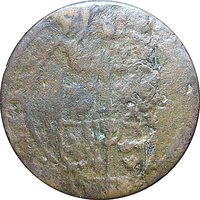
Description:
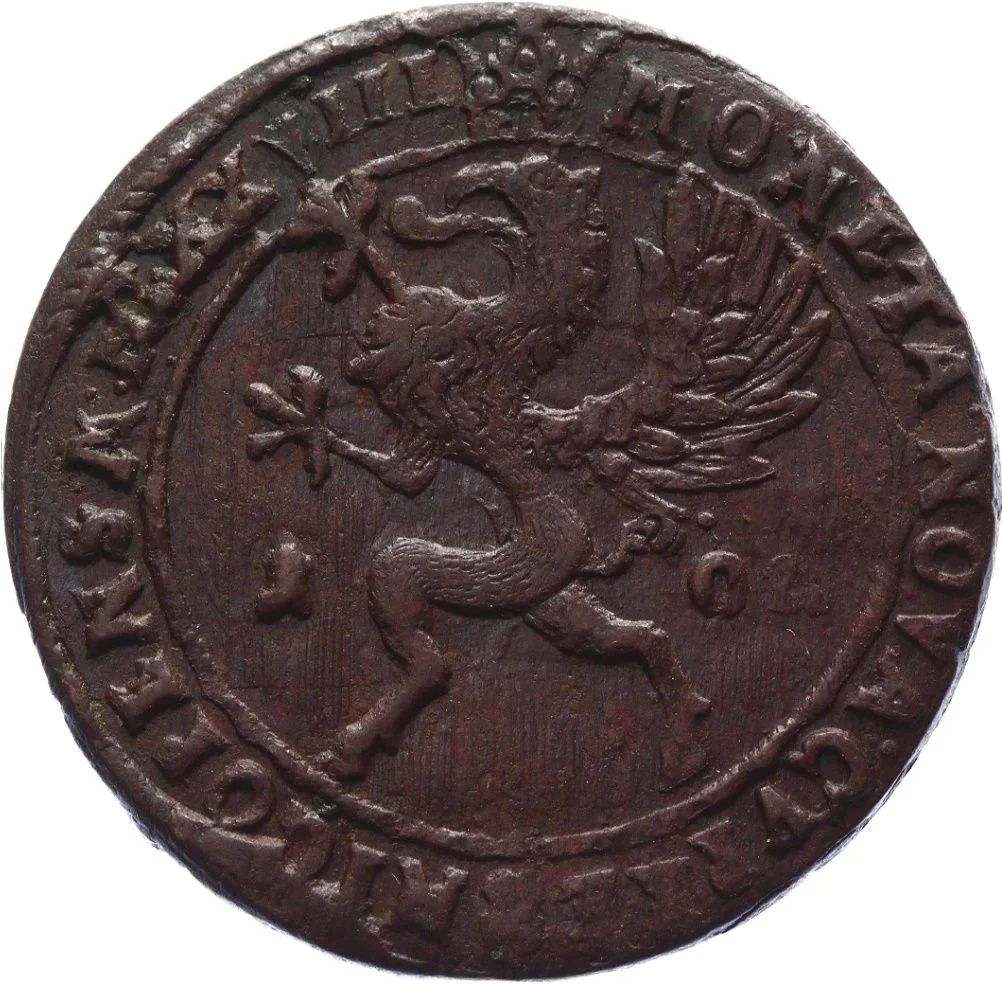
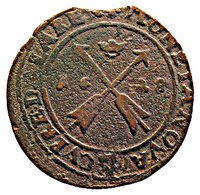
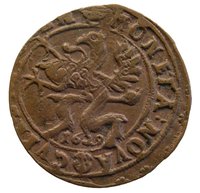
Griffin walking left inside circle, wings spread. Value on both sides. Legend outside circle ends with date in Roman numerals and small crown.
Inscription:
MONETA:NOVA:CVPRE: (mm) NICOPENSIS:MDCXXVII (crown)
I ÖR
I ÖR
Script: Latin
Edge
Mints
| Name | Mark |
|---|---|
| Nyköping | — |
Mintings
| Year | Mint Mark | Mintage | Quality | Collection |
|---|---|---|---|---|
| 1628 | — | — | ||
| 1629 | — | — |
Historical background
In 1628, Sweden was in the midst of the "Stormaktstiden" (the Era of Great Power), aggressively expanding its influence through ongoing participation in the Thirty Years' War. This militaristic ambition created an immense and constant financial strain on the state. King Gustavus Adolphus and his government were perpetually in need of vast sums to fund armies, fortifications, and a growing navy, leading to chronic fiscal deficits. The traditional sources of revenue—taxes and customs—were insufficient, forcing the crown to seek alternative means of financing its imperial ambitions.
The primary response to this crisis was the heavy exploitation of Sweden's copper resources. Since 1624, Sweden had been on a copper standard, with large plate money (plåtmynt) serving as the backbone of the currency. These were literal rectangular sheets of copper, valued by weight, with their face value theoretically tied to the market price of the metal. However, to generate immediate war funds, the government repeatedly increased the nominal value of this copper money beyond its intrinsic metal worth, a practice known as debasement. This created a de facto bi-metallic system with a fluctuating relationship between the copper daler and the older silver daler, causing complexity and instability in everyday trade.
Consequently, the currency situation was characterized by inflation, public distrust, and market confusion. The artificially high mint price of copper drew vast quantities of the metal into the country to be coined, flooding the economy with increasingly overvalued money. Prices rose, and the real value of salaries and contracts eroded. While this inflationary financing provided the short-term liquidity necessary for Gustavus Adolphus's campaigns, it placed a heavy burden on the Swedish population and created significant economic distortions that would plague the kingdom for decades.
The primary response to this crisis was the heavy exploitation of Sweden's copper resources. Since 1624, Sweden had been on a copper standard, with large plate money (plåtmynt) serving as the backbone of the currency. These were literal rectangular sheets of copper, valued by weight, with their face value theoretically tied to the market price of the metal. However, to generate immediate war funds, the government repeatedly increased the nominal value of this copper money beyond its intrinsic metal worth, a practice known as debasement. This created a de facto bi-metallic system with a fluctuating relationship between the copper daler and the older silver daler, causing complexity and instability in everyday trade.
Consequently, the currency situation was characterized by inflation, public distrust, and market confusion. The artificially high mint price of copper drew vast quantities of the metal into the country to be coined, flooding the economy with increasingly overvalued money. Prices rose, and the real value of salaries and contracts eroded. While this inflationary financing provided the short-term liquidity necessary for Gustavus Adolphus's campaigns, it placed a heavy burden on the Swedish population and created significant economic distortions that would plague the kingdom for decades.
💎 Extremely Rare