

1 Toman – Iran
Iran
Context
Year: 1798
Islamic (Hijri) Year: 1213
Issuer: Iran 
Ruler: Fath-Ali Shah
Currency:
(1798—1825)
Demonetized: Yes
Material
References
KM: #Click to copy to clipboard793.8
Numista: #159749
Value
Bullion value: $1015.15
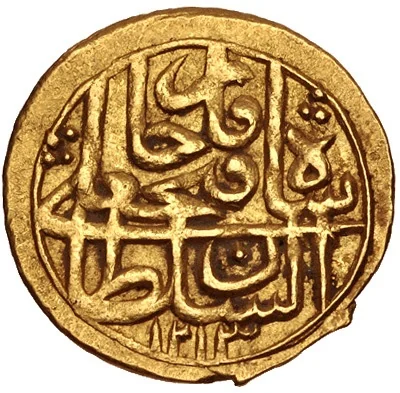
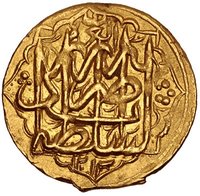
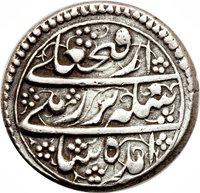
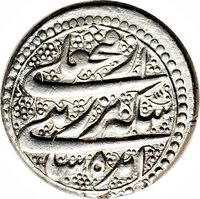
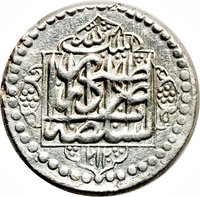
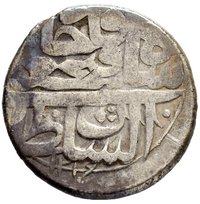
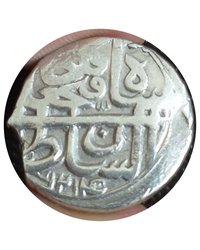
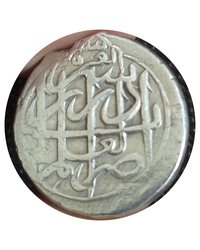
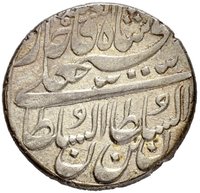
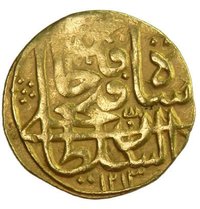
Obverse
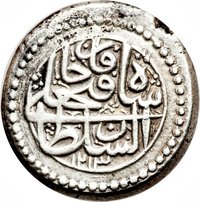
Inscription:
السلطان فتحعلی شاه قاجار
۱۲۱۳
۱۲۱۳
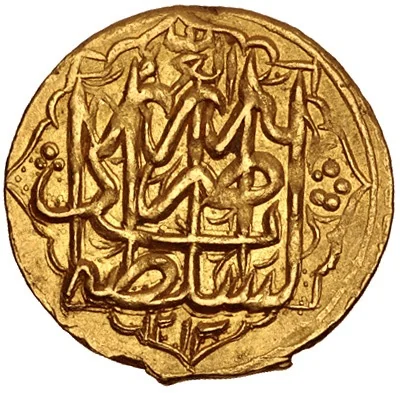
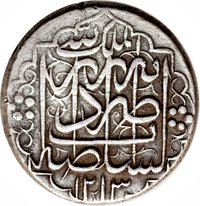
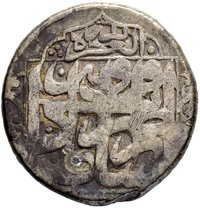
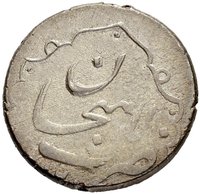
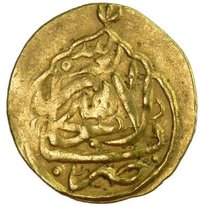
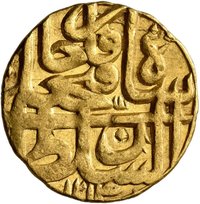
Reverse
Inscription:
العزة لله
ضرب دارالسلطنه تبریز
۱۲۱۳
ضرب دارالسلطنه تبریز
۱۲۱۳
Edge
Plain
Mints
| Name | Mark |
|---|---|
| Tebriz | — |
Mintings
| Year | Mint Mark | Mintage | Quality | Collection |
|---|---|---|---|---|
| 1798 | — | — |
Historical background
In 1798, Iran was under the rule of the Qajar dynasty, with Fath-Ali Shah having ascended to the throne just three years prior. The monetary system he inherited was deeply troubled, characterized by severe instability and fragmentation. The primary currency unit was the silver qiran (later the rial), but the coinage in circulation was a chaotic mix of older Safavid and Afsharid coins, various European currencies from trade, and new Qajar mintings. This lack of uniformity, combined with widespread clipping and debasement of coins, meant their intrinsic silver content and value could vary dramatically, crippling domestic trade and creating confusion in the markets.
The root of this monetary crisis lay in chronic state weakness and fiscal desperation. The central treasury, depleted by civil wars during the dynasty's founding and the costs of maintaining tribal alliances, consistently resorted to debasing the coinage—reducing the precious metal content—to fund immediate expenditures. Furthermore, the monetary system was not fully centralized; provincial governors and mint masters often operated with significant autonomy, leading to inconsistent coin quality across regions like Tabriz, Isfahan, and Shiraz. This period also saw a shortage of high-quality silver, partly due to a global outflow of bullion to Europe and India, exacerbating the difficulty of issuing stable currency.
Consequently, the currency situation in 1798 reflected a fragile state struggling to assert control. The unreliable money hindered economic recovery, complicated taxation, and undermined both domestic commerce and foreign trade. While Fath-Ali Shah’s government desired reform, the immediate priorities of consolidating political power and addressing external threats meant that creating a unified, trusted monetary system remained a persistent, but unachieved, challenge throughout the early Qajar era.
The root of this monetary crisis lay in chronic state weakness and fiscal desperation. The central treasury, depleted by civil wars during the dynasty's founding and the costs of maintaining tribal alliances, consistently resorted to debasing the coinage—reducing the precious metal content—to fund immediate expenditures. Furthermore, the monetary system was not fully centralized; provincial governors and mint masters often operated with significant autonomy, leading to inconsistent coin quality across regions like Tabriz, Isfahan, and Shiraz. This period also saw a shortage of high-quality silver, partly due to a global outflow of bullion to Europe and India, exacerbating the difficulty of issuing stable currency.
Consequently, the currency situation in 1798 reflected a fragile state struggling to assert control. The unreliable money hindered economic recovery, complicated taxation, and undermined both domestic commerce and foreign trade. While Fath-Ali Shah’s government desired reform, the immediate priorities of consolidating political power and addressing external threats meant that creating a unified, trusted monetary system remained a persistent, but unachieved, challenge throughout the early Qajar era.
Series: 1798 Iran circulation coins
✨ Legendary