

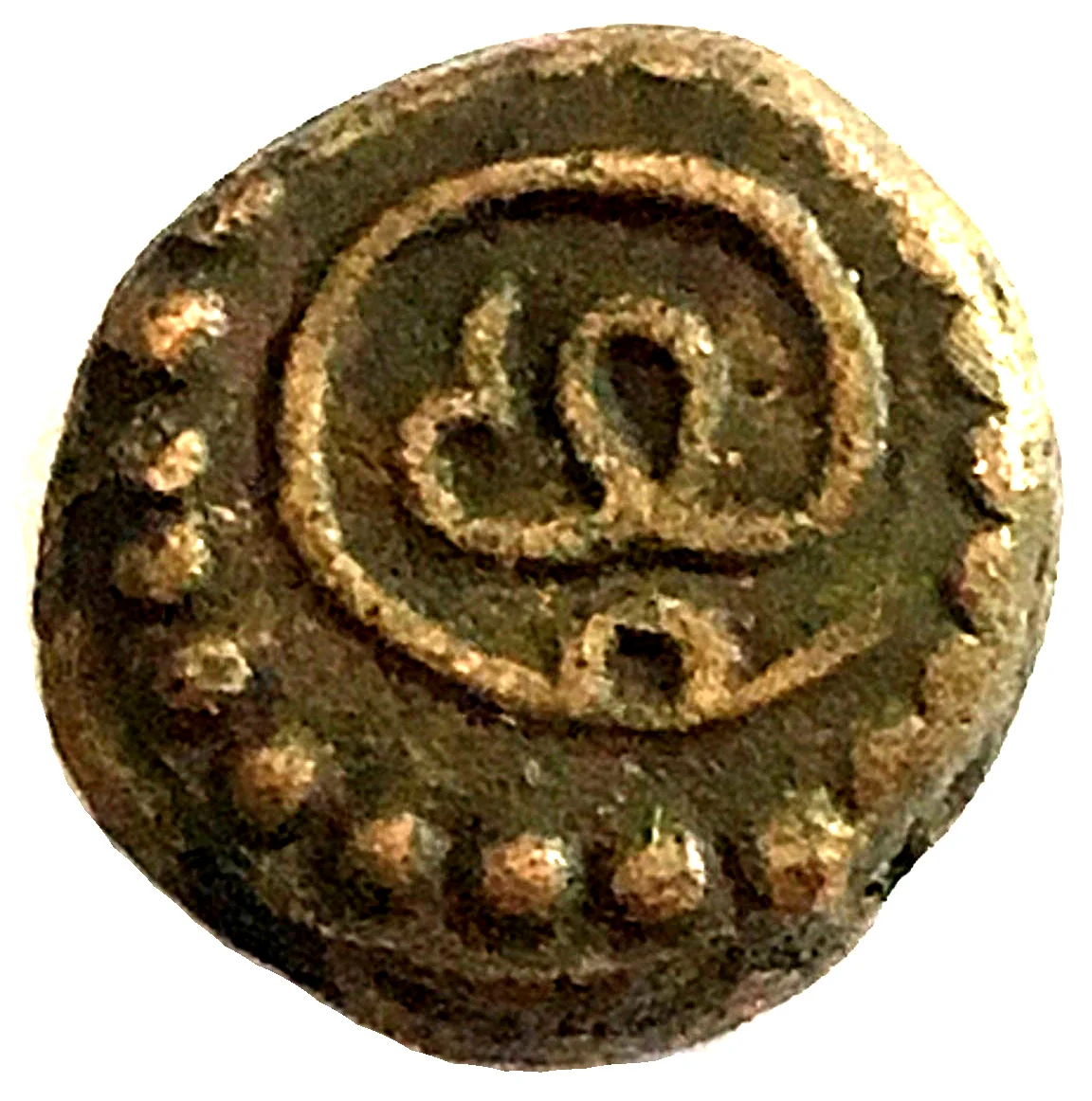

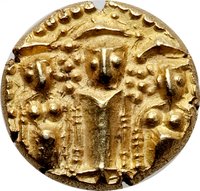
Obverse
Description:
Sri Tamil inscription
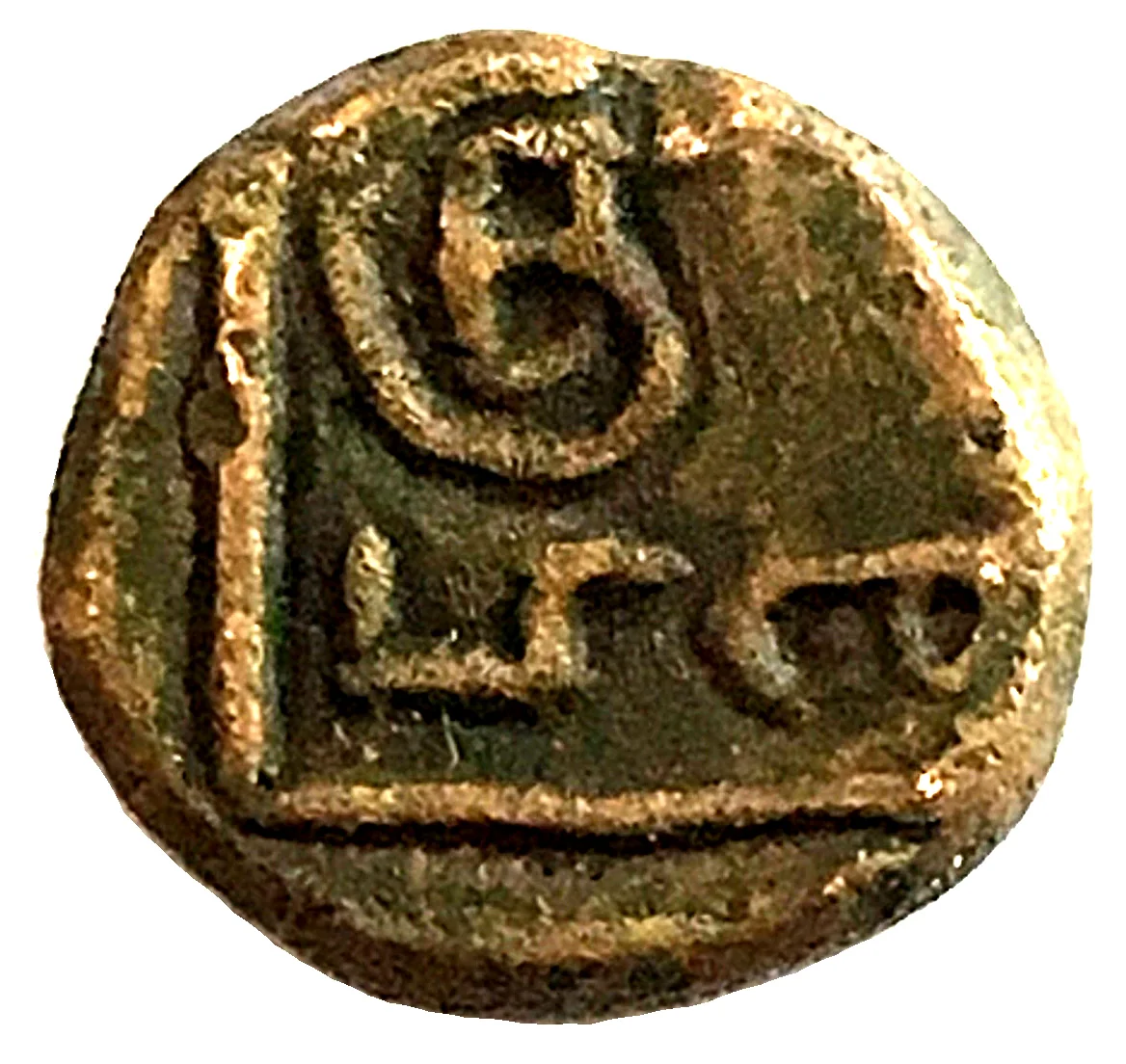
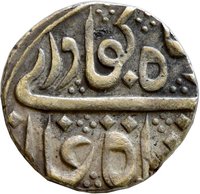
Reverse
Description:
Kumpini inscription
Inscription:
குமபினி
Edge
Plain
Mintings
| Year | Mint Mark | Mintage | Quality | Collection |
|---|---|---|---|---|
| 1740 | — | — |
Historical background
In 1740, the currency situation within the Madras Presidency was complex and fragmented, reflecting the broader political and economic flux of the Carnatic region. The English East India Company, operating from its fortified settlement of Fort St. George, issued its own gold pagodas and silver rupees, but these competed with a plethora of other circulating media. These included Mughal silver rupees (from Arcot and other mints), various South Indian gold pagodas (like the Madras, Porto Novo, and Trichinopoly pagodas), and a vast quantity of foreign coins, particularly Spanish silver dollars (pieces of eight) and Dutch ducatoons, brought by extensive maritime trade.
This monetary multiplicity created significant challenges for commerce and administration. Exchange rates between gold, silver, and copper coins were highly unstable, fluctuating with the volatile political climate and the intrinsic value of their metal content. The period was one of intense conflict, following the outbreak of the War of the Austrian Succession (1740-1748) in Europe and escalating tensions between regional powers like the Nawab of Arcot and the Marathas. This warfare disrupted trade routes, affected the supply of precious metals, and led to frequent coinage debasements by local rulers, further eroding monetary confidence.
Consequently, the Company’s administration and merchants were forced to function as constant money-changers. Trade transactions required careful calculation and often specified payment in a particular type of coin. The lack of a uniform, authoritative currency hindered economic efficiency and was a persistent administrative headache. The situation would only begin to stabilize later in the century, particularly after the Company’s military ascendancy following the Anglo-French Carnatic Wars, which allowed for greater control over minting and the gradual imposition of more standardized monetary systems.
This monetary multiplicity created significant challenges for commerce and administration. Exchange rates between gold, silver, and copper coins were highly unstable, fluctuating with the volatile political climate and the intrinsic value of their metal content. The period was one of intense conflict, following the outbreak of the War of the Austrian Succession (1740-1748) in Europe and escalating tensions between regional powers like the Nawab of Arcot and the Marathas. This warfare disrupted trade routes, affected the supply of precious metals, and led to frequent coinage debasements by local rulers, further eroding monetary confidence.
Consequently, the Company’s administration and merchants were forced to function as constant money-changers. Trade transactions required careful calculation and often specified payment in a particular type of coin. The lack of a uniform, authoritative currency hindered economic efficiency and was a persistent administrative headache. The situation would only begin to stabilize later in the century, particularly after the Company’s military ascendancy following the Anglo-French Carnatic Wars, which allowed for greater control over minting and the gradual imposition of more standardized monetary systems.

✨ Legendary