

falus – Morocco
Add to wishlist
Morocco
Context
Year: 1622
Islamic (Hijri) Year:: 1031
Issuer: Morocco
Ruler: Zaydan al-Nasir
Currency:
(1549—1659)
Demonetized: Yes
References
KM: #
Numista: #157924
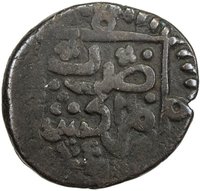
Obverse
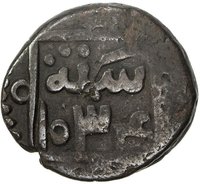
Reverse
Edge
Mintings
| Year | Mint Mark | Mintage | Quality | Collection |
|---|---|---|---|---|
| 1622 | — | — |
Historical background
In 1622, the currency situation in the Saadi Sultanate of Morocco was characterized by a complex and often unstable bimetallic system, heavily influenced by both internal dynamics and intense foreign pressure. The primary coins in circulation were the gold benduqi (a local dinar) and the silver dirham, but their weight, purity, and value were not consistently standardized across the realm, leading to regional variations and frequent disputes in trade. This period followed the immense wealth brought by the control of the Trans-Saharan gold trade and the ransoms paid after the Battle of the Three Kings (1578), but by the early 17th century, that bullion influx had largely dissipated, straining the treasury.
A critical and destabilizing factor was the massive influx of debased foreign coinage, particularly Spanish reales and Ottoman piastres, which flooded Moroccan markets through trade, piracy, and the payments made by European powers to secure treaties or ransom captives. These foreign coins, often clipped or of inferior alloy, competed with local currency and caused significant inflation and confusion. Sultan Zidan al-Nasir (r. 1603–1627) struggled to assert monetary control from his capital in Marrakesh, but his authority was challenged by regional dissidence and the autonomous pirate republics in ports like Salé, which operated their own economies largely on captured specie.
Consequently, the monetary landscape was one of fragmentation and uncertainty. The state's ability to mint high-quality, authoritative currency was weakened, undermining both long-distance trade and internal tax collection. This financial instability reflected the broader political condition of the Saadi dynasty, which was in a gradual decline, losing its grip on power and the unified economic governance needed to enforce a stable and sovereign monetary system in the face of pervasive foreign economic intrusion.
A critical and destabilizing factor was the massive influx of debased foreign coinage, particularly Spanish reales and Ottoman piastres, which flooded Moroccan markets through trade, piracy, and the payments made by European powers to secure treaties or ransom captives. These foreign coins, often clipped or of inferior alloy, competed with local currency and caused significant inflation and confusion. Sultan Zidan al-Nasir (r. 1603–1627) struggled to assert monetary control from his capital in Marrakesh, but his authority was challenged by regional dissidence and the autonomous pirate republics in ports like Salé, which operated their own economies largely on captured specie.
Consequently, the monetary landscape was one of fragmentation and uncertainty. The state's ability to mint high-quality, authoritative currency was weakened, undermining both long-distance trade and internal tax collection. This financial instability reflected the broader political condition of the Saadi dynasty, which was in a gradual decline, losing its grip on power and the unified economic governance needed to enforce a stable and sovereign monetary system in the face of pervasive foreign economic intrusion.

✨ Legendary