

⅙ ecu – Marrakesh Branch of Saadi dynasty
Add to wishlist
Morocco
Context
Year: 1604
Islamic (Hijri) Year:: 1012
Country: Morocco
Ruler: Abu Faris Abdallah
Currency:
(1549—1659)
Demonetized: Yes
References
KM: #
Numista: #157697
Value
Bullion value: $10.47
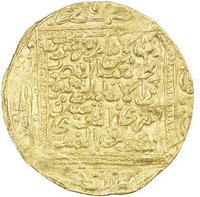
Obverse
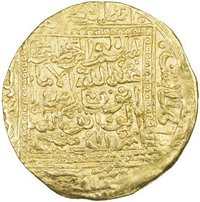
Reverse
Edge
Mintings
| Year | Mint Mark | Mintage | Quality | Collection |
|---|---|---|---|---|
| 1604 | — | — |
Historical background
In 1604, the currency situation at the Saadi dynasty's branch in Marrakesh was one of both robust imperial authority and underlying economic strain. The Saadi Sultanate, having reached its zenith under Ahmad al-Mansur (r. 1578–1603), had established Marrakesh as a primary minting center (dar al-sikka). The city produced the dynasty's prestigious gold coin, the benduqi (or ashrafi), a high-purity dinar that symbolized the wealth extracted from the trans-Saharan gold trade and the ransom from the Battle of Alcácer Quibir. Alongside gold, Marrakesh minted a heavy silver dirham and a plethora of low-value copper fulus, facilitating daily transactions in the bustling markets of the imperial capital.
However, the death of al-Mansur in 1603 plunged the empire into a succession crisis, and by 1604, his sons Zidan al-Nasir and Abu Faris were fighting for control. While Marrakesh was under the sway of Abu Faris at this specific moment, the political instability directly impacted the currency system. The risk of debasement to fund military campaigns was high, and the reliable flow of Sudanese gold, which was the bedrock of the currency's prestige, may have been disrupted by internal strife and challenges on trade routes. Confidence in the currency's intrinsic value, while still strong due to established Saadi monetary reputation, was beginning to be tested.
Thus, the currency in circulation in Marrakesh in 1604 represented a snapshot of transition: it was still the sound, respected coinage of a powerful empire, bearing the names and titles of the Saadi sultans. Yet, it operated within a context of growing fragmentation and fiscal pressure. The coins from the Marrakesh mint were tangible symbols of a unified state, even as that state was unraveling, setting the stage for the monetary confusion and regional minting that would characterize the ensuing decades of civil war.
However, the death of al-Mansur in 1603 plunged the empire into a succession crisis, and by 1604, his sons Zidan al-Nasir and Abu Faris were fighting for control. While Marrakesh was under the sway of Abu Faris at this specific moment, the political instability directly impacted the currency system. The risk of debasement to fund military campaigns was high, and the reliable flow of Sudanese gold, which was the bedrock of the currency's prestige, may have been disrupted by internal strife and challenges on trade routes. Confidence in the currency's intrinsic value, while still strong due to established Saadi monetary reputation, was beginning to be tested.
Thus, the currency in circulation in Marrakesh in 1604 represented a snapshot of transition: it was still the sound, respected coinage of a powerful empire, bearing the names and titles of the Saadi sultans. Yet, it operated within a context of growing fragmentation and fiscal pressure. The coins from the Marrakesh mint were tangible symbols of a unified state, even as that state was unraveling, setting the stage for the monetary confusion and regional minting that would characterize the ensuing decades of civil war.

✨ Legendary