

½ dinar – Marrakesh Branch of Saadi dynasty
Add to wishlist
Morocco
Context
Year: 1612
Islamic (Hijri) Year:: 1021
Country: Morocco
Ruler: Abu Mahally al-Mahdi
Currency:
(1549—1659)
Demonetized: Yes
References
KM: #
Numista: #157680
Value
Bullion value: $345.15
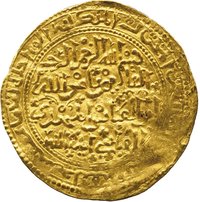
Obverse
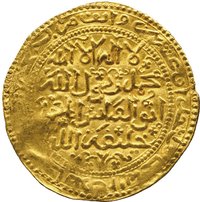
Reverse
Edge
Mintings
| Year | Mint Mark | Mintage | Quality | Collection |
|---|---|---|---|---|
| 1612 | — | — |
Historical background
In 1612, the Marrakesh branch of the Saadi dynasty, ruling from the southern capital, operated within a complex and strained monetary system. The dynasty, having reached its zenith under Ahmad al-Mansur (d. 1603), had previously established a strong currency framework centered on high-quality gold dinars and silver dirhams, minted from West African gold and newly accessed Moroccan silver. However, by 1612, the realm was fractured by a bitter civil war between al-Mansur's sons, Zidan al-Nasir in Marrakesh and Abu Faris in Fes. This political fragmentation directly undermined the unitary monetary authority the Saadis had once projected.
The currency situation in Marrakesh was characterized by scarcity and inconsistency. While the Marrakesh mint continued to produce coins, the uninterrupted warfare drained the treasury, disrupted trade routes for bullion, and diverted resources from the economy. The branch’s access to the trans-Saharan gold trade, a cornerstone of Saadi wealth, was likely compromised. Consequently, the actual money in circulation was a mixture of older, full-weight Saadi coins, newer and potentially debased issues from the competing royal mints in Marrakesh and Fes, and a plethora of foreign coins—particularly Spanish reales and Ottoman currencies—used in coastal trade, creating a chaotic and unreliable medium of exchange.
This monetary instability reflected and exacerbated the broader decline of Saadi power. For merchants and the populace in Marrakesh, the lack of a uniform, trusted currency increased transaction costs and economic uncertainty, hindering commerce and tax collection. The currency situation in 1612 was thus a clear symptom of a dynasty in crisis: the centralized monetary control that signified strong rule had shattered alongside political unity, leaving the Marrakesh branch to manage a deteriorating economy amidst a struggle for survival.
The currency situation in Marrakesh was characterized by scarcity and inconsistency. While the Marrakesh mint continued to produce coins, the uninterrupted warfare drained the treasury, disrupted trade routes for bullion, and diverted resources from the economy. The branch’s access to the trans-Saharan gold trade, a cornerstone of Saadi wealth, was likely compromised. Consequently, the actual money in circulation was a mixture of older, full-weight Saadi coins, newer and potentially debased issues from the competing royal mints in Marrakesh and Fes, and a plethora of foreign coins—particularly Spanish reales and Ottoman currencies—used in coastal trade, creating a chaotic and unreliable medium of exchange.
This monetary instability reflected and exacerbated the broader decline of Saadi power. For merchants and the populace in Marrakesh, the lack of a uniform, trusted currency increased transaction costs and economic uncertainty, hindering commerce and tax collection. The currency situation in 1612 was thus a clear symptom of a dynasty in crisis: the centralized monetary control that signified strong rule had shattered alongside political unity, leaving the Marrakesh branch to manage a deteriorating economy amidst a struggle for survival.

✨ Legendary