

½ dirham – Fez Branch of Saadi dynasty
Add to wishlist
Morocco
Context
Year: 1623
Country: Morocco
Issuer: Fez Branch of Saadi dynasty
Ruler: Abd al-Malik ibn Abdallah
Currency:
(1549—1659)
Demonetized: Yes
References
KM: #
Numista: #157676
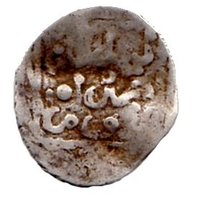
Obverse
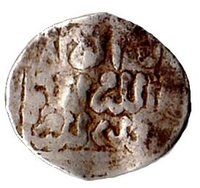
Reverse
Edge
Mintings
| Year | Mint Mark | Mintage | Quality | Collection |
|---|---|---|---|---|
| 1623 | — | — |
Historical background
In 1623, the Fez branch of the Saadi dynasty, ruling the northern half of Morocco, operated within a complex and challenging monetary environment. The dynasty’s authority was fractured, with the main power centered in Marrakesh under Sultan Zidan al-Nasir, while Fez was governed by his uncle, Abdallah al-Ghalib II, and other rival princes. This political fragmentation directly impacted the currency system, as control over minting—a key sovereign right—was inconsistent. The Fez mint (dar al-sikka) would have aimed to produce silver dirhams and gold dinars to facilitate trade and pay troops, but its output was likely sporadic, competing with the output of the southern capital and subject to the shifting loyalties of local governors.
The broader currency situation was one of scarcity and debasement. A prolonged crisis, stemming from the depletion of Sudanese gold trans-Saharan trade routes and dwindling silver from European sources, plagued the 17th-century Saadi state. Consequently, the precious metal content of coins was often reduced to stretch supplies, leading to inflation and a loss of public trust. In Fez, a major commercial and artisanal hub, this meant a circulation of underweight or adulterated coinage alongside a mix of older, full-weight Saadi issues, Portuguese cruzados, and Spanish reales from both trade and piracy. This monetary heterogeneity complicated daily transactions and long-distance commerce.
Ultimately, the currency in Fez in 1623 was a reflection of the dynasty’s political and economic decline. While the city remained a vital economic center, the inability of its rulers to assert exclusive control and guarantee a stable, high-quality currency undermined both local prosperity and their own fiscal authority. The monetary instability in Fez was thus a symptom of the larger Saadi struggle to maintain unity and economic vitality, foreshadowing the dynasty's eventual collapse and the rise of the Alaouites, who would later recentralize minting authority and restore monetary order.
The broader currency situation was one of scarcity and debasement. A prolonged crisis, stemming from the depletion of Sudanese gold trans-Saharan trade routes and dwindling silver from European sources, plagued the 17th-century Saadi state. Consequently, the precious metal content of coins was often reduced to stretch supplies, leading to inflation and a loss of public trust. In Fez, a major commercial and artisanal hub, this meant a circulation of underweight or adulterated coinage alongside a mix of older, full-weight Saadi issues, Portuguese cruzados, and Spanish reales from both trade and piracy. This monetary heterogeneity complicated daily transactions and long-distance commerce.
Ultimately, the currency in Fez in 1623 was a reflection of the dynasty’s political and economic decline. While the city remained a vital economic center, the inability of its rulers to assert exclusive control and guarantee a stable, high-quality currency undermined both local prosperity and their own fiscal authority. The monetary instability in Fez was thus a symptom of the larger Saadi struggle to maintain unity and economic vitality, foreshadowing the dynasty's eventual collapse and the rise of the Alaouites, who would later recentralize minting authority and restore monetary order.

✨ Legendary