

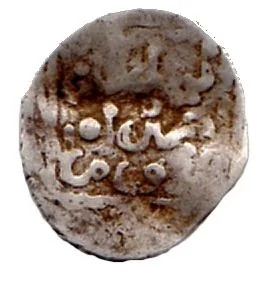
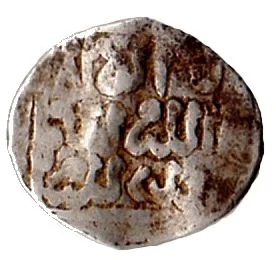
dirham – Fez Branch of Saadi dynasty
Add to wishlist
Morocco
Context
Year: 1627
Country: Morocco
Issuer: Fez Branch of Saadi dynasty
Ruler: Abu al-Abbas Ahmad III
Currency:
(1549—1659)
Demonetized: Yes
References
KM: #
Numista: #157668
Value
Bullion value: $2.94
Mintings
| Year | Mint Mark | Mintage | Quality | Collection |
|---|---|---|---|---|
| 1627 | — | — |
Historical background
In 1627, the Fez branch of the Saadi dynasty, ruling the northern half of a fractured Morocco, faced a severe and multifaceted currency crisis. The dynasty’s immense expenditures on lavish palaces, the protracted war against Spanish and Portuguese presidios, and the ruinous civil conflict with the southern Saadi rulers in Marrakesh had drained the state treasury. To finance these ventures, the Fez mints, particularly the renowned Dar al-Sikka, engaged in rampant debasement, systematically reducing the silver content in the ubiquitous silver dirham and gold dinar. This led to a proliferation of underweight and alloyed coins, severely undermining public trust in the currency.
The situation was exacerbated by the disruption of critical trade routes and the siphoning of precious metals. European control of Atlantic ports and Ottoman influence in the east diverted bullion flows, while rampant piracy interrupted Mediterranean commerce. Within the kingdom, the widespread circulation of counterfeit coins, known as mukhammas, further corrupted the monetary system. This resulted in a classic vicious cycle: merchants and foreign traders, losing confidence, began hoarding older, purer coins or demanding payment in foreign currency, which in turn accelerated the devaluation and economic instability.
Consequently, the monetary chaos of 1627 severely impacted Fez’s economy, inflating prices for basic goods and eroding the tax base of the already weakened northern Saadi state. The crisis underscored the dynasty’s declining authority and its inability to control one of the fundamental pillars of sovereignty—the currency. This financial deterioration contributed significantly to the broader political fragility that would, within a few decades, pave the way for the rise of the Alaouite dynasty, which would prioritize monetary reform as a cornerstone of reunifying and stabilizing Morocco.
The situation was exacerbated by the disruption of critical trade routes and the siphoning of precious metals. European control of Atlantic ports and Ottoman influence in the east diverted bullion flows, while rampant piracy interrupted Mediterranean commerce. Within the kingdom, the widespread circulation of counterfeit coins, known as mukhammas, further corrupted the monetary system. This resulted in a classic vicious cycle: merchants and foreign traders, losing confidence, began hoarding older, purer coins or demanding payment in foreign currency, which in turn accelerated the devaluation and economic instability.
Consequently, the monetary chaos of 1627 severely impacted Fez’s economy, inflating prices for basic goods and eroding the tax base of the already weakened northern Saadi state. The crisis underscored the dynasty’s declining authority and its inability to control one of the fundamental pillars of sovereignty—the currency. This financial deterioration contributed significantly to the broader political fragility that would, within a few decades, pave the way for the rise of the Alaouite dynasty, which would prioritize monetary reform as a cornerstone of reunifying and stabilizing Morocco.

✨ Legendary