

dirham – Morocco
Add to wishlist
Morocco
Context
Year: 1629
Islamic (Hijri) Year:: 1038
Issuer: Morocco
Ruler: Abu Marwan ‘Abd al-Malik II
Currency:
(1549—1659)
Demonetized: Yes
References
KM: #
Numista: #157670
Value
Bullion value: $2.67
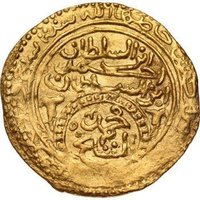
Obverse
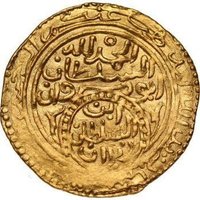
Reverse
Edge
Mintings
| Year | Mint Mark | Mintage | Quality | Collection |
|---|---|---|---|---|
| 1629 | — | — |
Historical background
In 1629, the currency situation in the Saadi Sultanate of Morocco was characterized by a complex and often unstable bimetallic system, heavily influenced by both internal pressures and international trade. The primary coins in circulation were the gold benduqi and the silver dirham, but their value and availability were in constant flux. This instability stemmed from two major factors: the fluctuating influx of precious metals from the Sudan trade routes and the disruptive impact of European coinage, particularly Spanish reales and Portuguese cruzados, which entered the economy through trade, piracy, and the ransom of Christian captives.
Sultan Zidan al-Nasir, whose reign was marked by internal strife and the loss of effective control over much of the country, had limited power to enforce a unified monetary policy. The lucrative but volatile trans-Saharan trade, which brought gold from West Africa, was increasingly threatened by European coastal competition and regional unrest. Furthermore, the Sultanate’s own minting capabilities were inconsistent, leading to a circulation of coins of varying purity and weight. This encouraged widespread clipping and counterfeiting, eroding public trust in the coinage.
Consequently, the Moroccan economy in 1629 operated in a state of pragmatic adaptation. Merchants and money-changers (sarrafs) in the suqs of cities like Marrakech, Fez, and the burgeoning pirate republic of Salé played a crucial role, assessing and exchanging a bewildering array of domestic and foreign coins on a daily basis. The lack of a strong, central monetary authority meant that actual transactions were often based on the intrinsic metal value of a coin rather than its nominal face value, creating a fragmented and locally negotiated financial landscape that reflected the broader political fragmentation of the Sultanate during this period.
Sultan Zidan al-Nasir, whose reign was marked by internal strife and the loss of effective control over much of the country, had limited power to enforce a unified monetary policy. The lucrative but volatile trans-Saharan trade, which brought gold from West Africa, was increasingly threatened by European coastal competition and regional unrest. Furthermore, the Sultanate’s own minting capabilities were inconsistent, leading to a circulation of coins of varying purity and weight. This encouraged widespread clipping and counterfeiting, eroding public trust in the coinage.
Consequently, the Moroccan economy in 1629 operated in a state of pragmatic adaptation. Merchants and money-changers (sarrafs) in the suqs of cities like Marrakech, Fez, and the burgeoning pirate republic of Salé played a crucial role, assessing and exchanging a bewildering array of domestic and foreign coins on a daily basis. The lack of a strong, central monetary authority meant that actual transactions were often based on the intrinsic metal value of a coin rather than its nominal face value, creating a fragmented and locally negotiated financial landscape that reflected the broader political fragmentation of the Sultanate during this period.

✨ Legendary