

Falus – Morocco
Morocco
Obverse
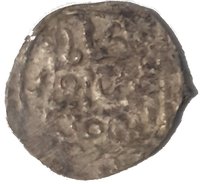
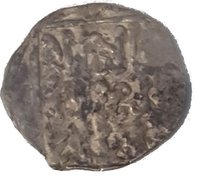
Reverse
Edge
Mintings
| Year | Mint Mark | Mintage | Quality | Collection |
|---|---|---|---|---|
| 1641 | — | — | ||
| — | — | — | ||
| 1642 | — | — | ||
| 1643 | — | — | ||
| 1643 | — | — | ||
| 1644 | — | — | ||
| 1645 | — | — | ||
| 1646 | — | — | ||
| 1647 | — | — |
Historical background
In 1641, the currency situation in the Moroccan Sultanate under the nascent 'Alawi dynasty was one of profound complexity and transition. The country operated on a bimetallic system, primarily using gold benduqi dinars and silver dirhams, but the reality was a fragmented monetary landscape. A multitude of foreign coins, particularly Spanish reales (pieces of eight) and Ottoman sultani gold coins, circulated widely due to Morocco's extensive trade with Europe and the Islamic world, as well as the activities of Barbary corsairs who brought in substantial foreign specie. This created a fluctuating and often unstable exchange environment.
The central authority, led by Sultan Muhammad al-Shaykh al-Saghir, struggled to impose a unified monetary standard. The state mint (Dar al-Sikka) faced challenges in maintaining consistent weight and purity in its own coinage, leading to a loss of confidence. Consequently, merchants and markets often valued coins by their intrinsic metal content rather than their face value, and foreign coins were frequently preferred for large transactions. This monetary fragmentation mirrored the political challenges of the era, as the 'Alawi dynasty was still consolidating power over various regions and tribes.
Furthermore, Morocco's economy was heavily influenced by external forces. The lucrative sugar trade, a traditional source of wealth and silver inflows, was in decline due to competition from New World plantations. Simultaneously, increased European mercantile presence and the corsair economy created a dual dynamic of both trade and conflict, which pumped foreign currency into coastal cities while sometimes disrupting traditional inland trade routes. Thus, the currency situation of 1641 was not merely a financial issue, but a direct reflection of Morocco's geopolitical position between Atlantic Europe, the Ottoman sphere, and its own internal processes of state-building.
The central authority, led by Sultan Muhammad al-Shaykh al-Saghir, struggled to impose a unified monetary standard. The state mint (Dar al-Sikka) faced challenges in maintaining consistent weight and purity in its own coinage, leading to a loss of confidence. Consequently, merchants and markets often valued coins by their intrinsic metal content rather than their face value, and foreign coins were frequently preferred for large transactions. This monetary fragmentation mirrored the political challenges of the era, as the 'Alawi dynasty was still consolidating power over various regions and tribes.
Furthermore, Morocco's economy was heavily influenced by external forces. The lucrative sugar trade, a traditional source of wealth and silver inflows, was in decline due to competition from New World plantations. Simultaneously, increased European mercantile presence and the corsair economy created a dual dynamic of both trade and conflict, which pumped foreign currency into coastal cities while sometimes disrupting traditional inland trade routes. Thus, the currency situation of 1641 was not merely a financial issue, but a direct reflection of Morocco's geopolitical position between Atlantic Europe, the Ottoman sphere, and its own internal processes of state-building.

✨ Legendary