

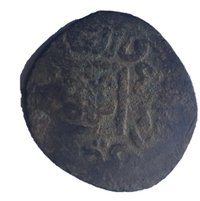
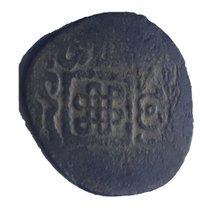
1 falus – Morocco
Add to wishlist
Morocco
Context
Year: 1691
Islamic (Hijri) Year:: 1102
Issuer: Morocco
Ruler: Isma‘il al-Samin
Currency:
(1659—1882)
Demonetized: Yes
Material
References
KM: #
Numista: #157648
Obverse
Reverse
Edge
Mintings
| Year | Mint Mark | Mintage | Quality | Collection |
|---|---|---|---|---|
| 1691 | — | — |
Historical background
In 1691, Morocco's currency situation was characterized by instability and fragmentation, a direct consequence of the political turmoil following the death of the powerful Alaouite Sultan Moulay Ismail. While Ismail had centralized power and stabilized the economy through a brutal but effective administration, his advanced age (he would die in 1727) had already sparked intense succession struggles among his many sons and rival factions. This political uncertainty directly undermined confidence in the state's coinage and disrupted the vital trans-Saharan trade routes that were a primary source of gold for the mint.
The monetary system itself was a bimetallic one, revolving primarily around the silver dirham and the gold benduqi (or mithqal). However, the quality, weight, and purity of these coins varied significantly depending on where and when they were minted, as regional governors and powerful qa'ids (military commanders) often issued their own coinage. Furthermore, a plethora of foreign coins circulated widely, reflecting Morocco's extensive trade links. Spanish pieces of eight, Ottoman gold sultans, and various European silver coins were all common in port cities like Salé and Essaouira, used alongside local issues and often preferred for their reliable metallic content.
This period was marked by inflationary pressures and currency debasement. To finance military campaigns and pay the vast army of Black Guards (Abid al-Bukhari), the Makhzen (central government) and competing powers were tempted to reduce the silver content in the dirham. This practice, combined with the influx of lower-quality European coins and the fluctuating supply of gold from the south, eroded public trust. Consequently, major transactions, especially in international trade, increasingly relied on the physical weighing of precious metal (bullion) or on trusted foreign coinage, bypassing the unreliable domestic monetary system.
The monetary system itself was a bimetallic one, revolving primarily around the silver dirham and the gold benduqi (or mithqal). However, the quality, weight, and purity of these coins varied significantly depending on where and when they were minted, as regional governors and powerful qa'ids (military commanders) often issued their own coinage. Furthermore, a plethora of foreign coins circulated widely, reflecting Morocco's extensive trade links. Spanish pieces of eight, Ottoman gold sultans, and various European silver coins were all common in port cities like Salé and Essaouira, used alongside local issues and often preferred for their reliable metallic content.
This period was marked by inflationary pressures and currency debasement. To finance military campaigns and pay the vast army of Black Guards (Abid al-Bukhari), the Makhzen (central government) and competing powers were tempted to reduce the silver content in the dirham. This practice, combined with the influx of lower-quality European coins and the fluctuating supply of gold from the south, eroded public trust. Consequently, major transactions, especially in international trade, increasingly relied on the physical weighing of precious metal (bullion) or on trusted foreign coinage, bypassing the unreliable domestic monetary system.
Series: 1691 Morocco circulation coins

✨ Legendary