

1 Mazuna – Morocco
Morocco
Context
Year: 1698
Islamic (Hijri) Year: 1109
Issuer: Morocco 
Ruler: Isma‘il al-Samin
Currency:
(1659—1882)
Demonetized: Yes
Material
Diameter: 18.5 mm
Weight: 0.95 g
Silver weight: 0.95 g
Shape: Irregular round
Composition: Silver
Magnetic: No
References
KM: #Click to copy to clipboardB28.7
Numista: #157646
Value
Bullion value: $2.76
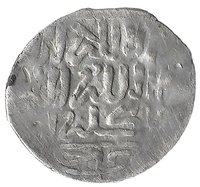
Obverse
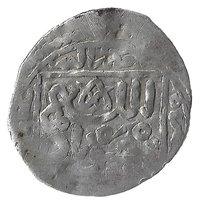
Reverse
Edge
Mintings
| Year | Mint Mark | Mintage | Quality | Collection |
|---|---|---|---|---|
| 1698 | — | — |
Historical background
In 1698, Morocco's currency situation was characterized by instability and transition under the reign of the Alaouite Sultan Ismail ibn Sharif. The Sultanate, engaged in costly military campaigns to unify and defend the realm—including the protracted struggle against European enclaves and Ottoman influence—placed severe strain on the state treasury. This fiscal pressure led to repeated debasements of the silver dirham, the primary unit of account, where the silver content was reduced to mint more coins from the same bullion reserves. Consequently, the value of the currency fluctuated, contributing to inflation and market uncertainty, particularly in the coastal trading cities.
The monetary system itself was a complex bimetallic structure, with gold dinars (primarily for foreign trade and large transactions) and silver dirhams (for daily use) circulating alongside a plethora of foreign coins. Spanish reales, Ottoman piastres, and various European gold coins were widely used, especially in international ports like Salé and Essaouira, reflecting Morocco's deep integration into Mediterranean and Atlantic trade networks. The state's inability to fully control this heterogeneous circulation further complicated the economy, as the value of transactions often depended on the weight and fineness of specific coins rather than a stable, trusted national currency.
Sultan Ismail attempted to assert control by centralizing minting operations and imposing royal monopolies on key exports like sugar and saltpetre to secure bullion. However, these measures were only partially successful. The persistent drain of silver to pay for European imports (particularly arms) and the sultan's lavish court and building projects, like the immense imperial capital at Meknes, perpetuated the cycle of debasement. Thus, in 1698, Morocco's currency was less a symbol of sovereign power and more a reflection of the broader challenges of financing state consolidation in a competitive and interconnected early modern world.
The monetary system itself was a complex bimetallic structure, with gold dinars (primarily for foreign trade and large transactions) and silver dirhams (for daily use) circulating alongside a plethora of foreign coins. Spanish reales, Ottoman piastres, and various European gold coins were widely used, especially in international ports like Salé and Essaouira, reflecting Morocco's deep integration into Mediterranean and Atlantic trade networks. The state's inability to fully control this heterogeneous circulation further complicated the economy, as the value of transactions often depended on the weight and fineness of specific coins rather than a stable, trusted national currency.
Sultan Ismail attempted to assert control by centralizing minting operations and imposing royal monopolies on key exports like sugar and saltpetre to secure bullion. However, these measures were only partially successful. The persistent drain of silver to pay for European imports (particularly arms) and the sultan's lavish court and building projects, like the immense imperial capital at Meknes, perpetuated the cycle of debasement. Thus, in 1698, Morocco's currency was less a symbol of sovereign power and more a reflection of the broader challenges of financing state consolidation in a competitive and interconnected early modern world.

✨ Legendary