

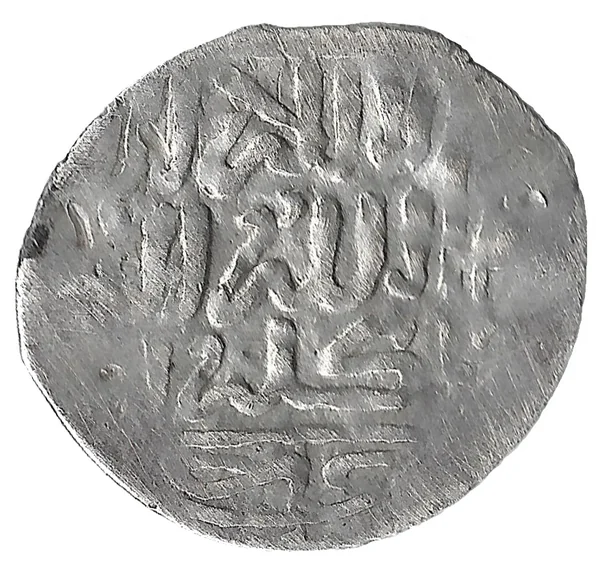
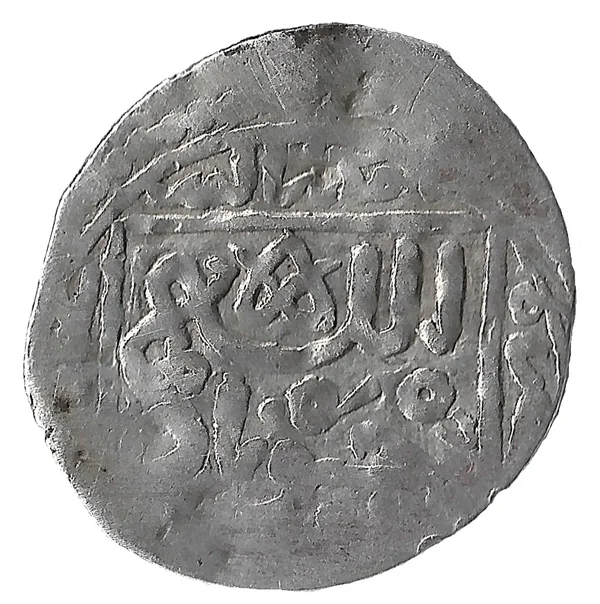
1 Mazuna – Morocco
Morocco
Context
Material
Diameter: 18.5 mm
Weight: 0.94 g
Silver weight: 0.94 g
Shape: Irregular round
Composition: Silver
Magnetic: No
Technique: Hammered
References
KM: #Click to copy to clipboardB28.5
Numista: #157541
Value
Bullion value: $2.67
Mintings
| Year | Mint Mark | Mintage | Quality | Collection |
|---|---|---|---|---|
| 1700 | — | — | ||
| 1703 | — | — | ||
| 1706 | — | — | ||
| 1707 | — | — | ||
| 1708 | — | — | ||
| 1711 | — | — | ||
| 1716 | — | — | ||
| 1726 | — | — | ||
| 1727 | — | — |
Historical background
In the early 18th century, Morocco's currency system was a complex and fragmented reflection of its political and economic state following the death of the powerful Alaouite Sultan Moulay Ismail in 1727. The period around 1700 saw the culmination of his reign, which had brought a degree of stability and centralized control. The monetary system was officially bimetallic, based on the silver dirham and the gold benduqi (or mithqal), with values theoretically fixed by the Makhzen (the central government). The primary silver coin was the rial (or ryal), often a Spanish or Spanish-colonial piece of eight that circulated widely, alongside a variety of locally minted coins whose weight and purity were strictly, though not always successfully, regulated by the state.
However, the reality in markets from Fez to Marrakech was one of significant complexity. Alongside the official coinage, a plethora of foreign currencies circulated freely, including Ottoman, Portuguese, French, and English coins, their values fluctuating with trade and silver content. Furthermore, the widespread use of fulus—small, low-value copper coins—was essential for daily transactions among the common people, creating a three-tiered metallic system. This fragmentation was exacerbated by regionalism; remote areas and tribal confederations often operated with their own informal systems or placed more trust in specific foreign coins than in the central mint's issues.
This monetary landscape was intrinsically linked to Morocco’s place in global trade networks. The kingdom was a key exporter of goods like sugar, salt, and leather, and its ports were frequented by European merchants. The influx of Spanish silver reales was particularly vital, often being melted down and re-minted into local currency. The stability of the currency, therefore, depended heavily on the Sultan's control over the mines, the mint houses (dar al-darb), and the vital trade routes. When central authority was strong, as under Moulay Ismail, the system functioned with relative order. The weakening of the Makhzen after his death, however, would lead to increased monetary chaos, debasement, and regional autonomy in the following decades.
However, the reality in markets from Fez to Marrakech was one of significant complexity. Alongside the official coinage, a plethora of foreign currencies circulated freely, including Ottoman, Portuguese, French, and English coins, their values fluctuating with trade and silver content. Furthermore, the widespread use of fulus—small, low-value copper coins—was essential for daily transactions among the common people, creating a three-tiered metallic system. This fragmentation was exacerbated by regionalism; remote areas and tribal confederations often operated with their own informal systems or placed more trust in specific foreign coins than in the central mint's issues.
This monetary landscape was intrinsically linked to Morocco’s place in global trade networks. The kingdom was a key exporter of goods like sugar, salt, and leather, and its ports were frequented by European merchants. The influx of Spanish silver reales was particularly vital, often being melted down and re-minted into local currency. The stability of the currency, therefore, depended heavily on the Sultan's control over the mines, the mint houses (dar al-darb), and the vital trade routes. When central authority was strong, as under Moulay Ismail, the system functioned with relative order. The weakening of the Makhzen after his death, however, would lead to increased monetary chaos, debasement, and regional autonomy in the following decades.

💎 Extremely Rare