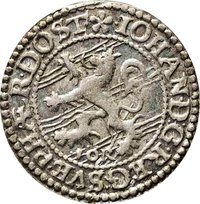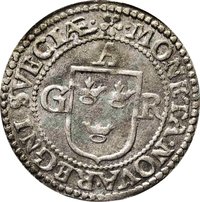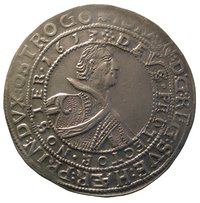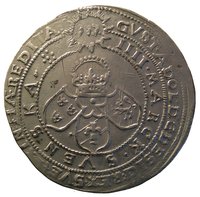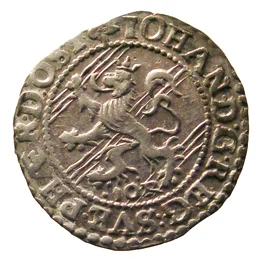
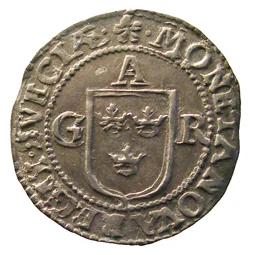
In 1611, the Duchy of Östergötland, like the rest of the Swedish realm, was grappling with a severe and chaotic currency crisis. This was primarily a consequence of the aggressive debasement of the Swedish coinage initiated by King Charles IX to finance his ongoing wars, most notably the Kalmar War against Denmark-Norway (1611-1613). The government systematically reduced the silver content in coins, minting vast quantities of nearly worthless copper
klippingar to pay for military expenses, which flooded the economy and drove out older, purer coins.
The situation in Östergötland, a strategically important region, would have been acutely felt. The proliferation of debased currency led to rampant inflation, a collapse in public trust, and severe disruption to both local commerce and landholder finances. Creditors were defrauded, markets became unstable, and the traditional agrarian economy faced hardship as the value of payments and savings evaporated. This monetary instability directly undermined the war effort it was meant to fund, as soldiers and suppliers were reluctant to accept the poor-quality coin.
This crisis set the immediate financial and political backdrop for the accession of King Gustavus Adolphus in late 1611. Recognizing the paralysis caused by the monetary chaos, one of his first and most critical acts was the 1612
riksdaler monetary reform, which began the arduous process of restoring a stable silver standard. For Östergötland, 1611 thus represented the nadir of a financial breakdown, a year of economic distress that necessitated the sweeping reforms that would follow under the new monarch.