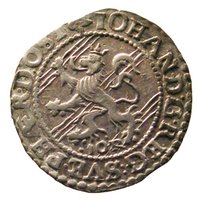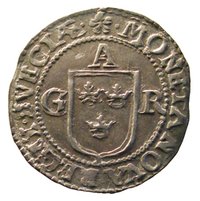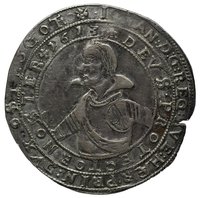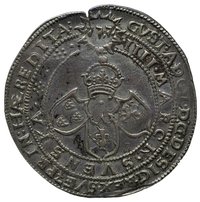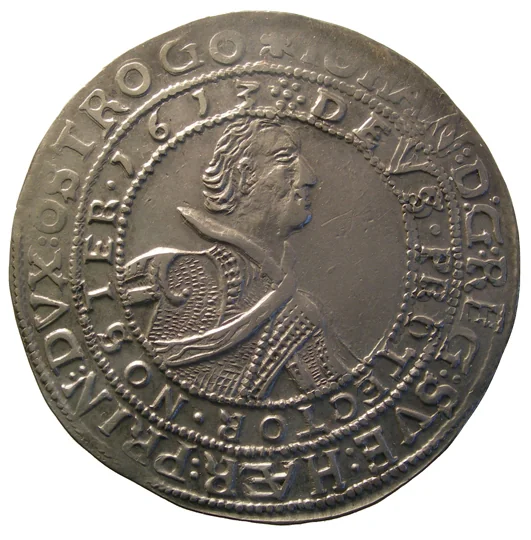
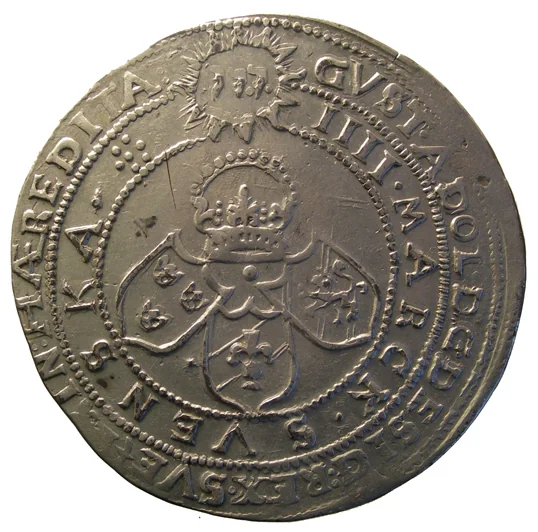
In 1613, the Duchy of Östergötland, like the rest of the Swedish realm, was grappling with a severe monetary crisis rooted in the policies of King Charles IX. To finance near-constant warfare, the crown had drastically debased the currency, notably the
klipping coins, by reducing their silver content while maintaining their face value. This led to rampant inflation, a collapse in public trust, and a chaotic multi-currency system where older, purer coins were hoarded and foreign coins circulated widely, disrupting local trade and taxation in Östergötland's towns and manors.
The situation demanded urgent reform, which was a primary focus for the newly crowned King Gustavus Adolphus and the
Riksdag of the Estates. The pivotal Parliament of 1613, held in Örebro, saw the government introduce the
myntrealisation (coinage realization). This policy aimed to stabilize the currency by recalling the debased
klippingar and replacing them with new coins of proper intrinsic value, effectively recognizing the state's debt to the people and restoring the silver standard. For Östergötland, this meant a painful but necessary period of adjustment as old coins were surrendered and economic contracts were recalibrated.
While the 1613 reforms laid the crucial foundation for future stability, their full implementation took years. The immediate effect in Östergötland was likely a period of tightened liquidity and economic uncertainty as the bad money was withdrawn. However, this bitter medicine was essential, paving the way for the sound monetary system that would later support Sweden's rise as a great power under Gustavus Adolphus, with Östergötland's agricultural and nascent industrial economy gradually benefiting from restored confidence in the currency.