

1 Falus – Morocco
Morocco
Context
References
KM: #Click to copy to clipboard95.9
Numista: #157230
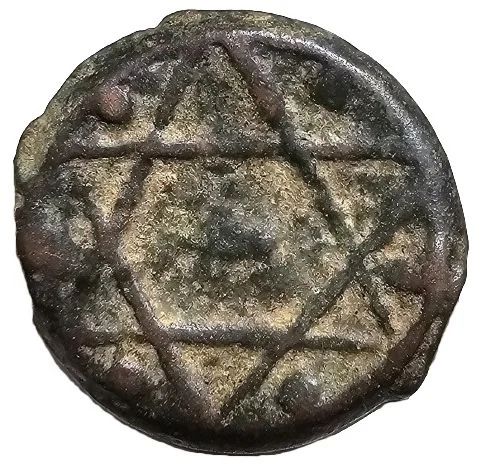
Obverse
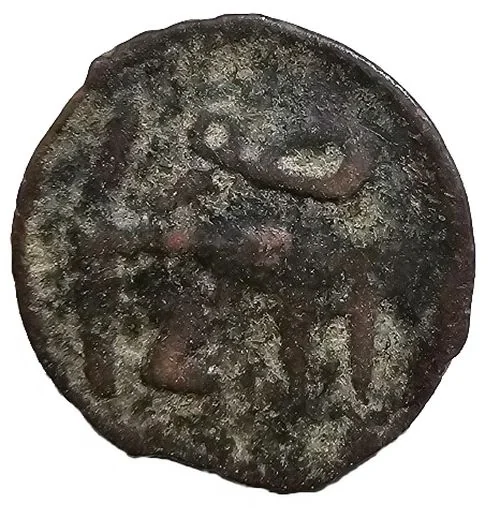
Reverse
Edge
Mintings
| Year | Mint Mark | Mintage | Quality | Collection |
|---|---|---|---|---|
| 1797 | — | — | ||
| 1798 | — | — | ||
| 1813 | — | — | ||
| 1814 | — | — | ||
| 1815 | — | — |
Historical background
In 1797, the currency situation in the Kingdom of Morocco was characterized by a complex and often chaotic bimetallic system, heavily influenced by both internal governance and external pressures. The primary coins in circulation were the silver dirham and the gold benduqi (or benduqi dinar), but their values and purity were not consistently standardized, varying significantly between mints in cities like Fes, Marrakech, and Mogador (Essaouira). This lack of uniformity, combined with the widespread circulation of a vast array of foreign coins—including Spanish reales (pieces of eight), Portuguese cruzados, and Ottoman and British currencies—created a fragmented monetary landscape where exchange rates fluctuated based on metal content, origin, and local demand.
The reign of Sultan Moulay Slimane (1792–1822) during this period was marked by attempts to centralize authority and orthodox religious reform, but his government struggled to impose monetary order. The state's fiscal health was strained by reduced trade, tribal rebellions, and the cessation of the lucrative corsair activity that had previously brought in significant foreign specie. Consequently, the Sultanate had limited capacity to control the money supply or prevent the clipping and debasement of coins. Much of the economy, especially in rural areas, still operated on a basis of barter or the use of physical silver by weight, further diminishing the effectiveness of a unified currency.
This monetary instability had direct consequences for trade, both within the Sultanate and with European partners. European merchants and consuls, particularly in the port of Mogador, had to navigate this confusing system, often relying on Jewish tujjar al-sultan (the Sultan's merchants) who acted as financial intermediaries. The unreliable currency complicated tax collection, hindered commercial contracts, and reflected the broader challenges facing the Moroccan state at the close of the 18th century as it sought to maintain sovereignty amidst growing European economic influence and internal fragmentation.
The reign of Sultan Moulay Slimane (1792–1822) during this period was marked by attempts to centralize authority and orthodox religious reform, but his government struggled to impose monetary order. The state's fiscal health was strained by reduced trade, tribal rebellions, and the cessation of the lucrative corsair activity that had previously brought in significant foreign specie. Consequently, the Sultanate had limited capacity to control the money supply or prevent the clipping and debasement of coins. Much of the economy, especially in rural areas, still operated on a basis of barter or the use of physical silver by weight, further diminishing the effectiveness of a unified currency.
This monetary instability had direct consequences for trade, both within the Sultanate and with European partners. European merchants and consuls, particularly in the port of Mogador, had to navigate this confusing system, often relying on Jewish tujjar al-sultan (the Sultan's merchants) who acted as financial intermediaries. The unreliable currency complicated tax collection, hindered commercial contracts, and reflected the broader challenges facing the Moroccan state at the close of the 18th century as it sought to maintain sovereignty amidst growing European economic influence and internal fragmentation.

✨ Legendary